
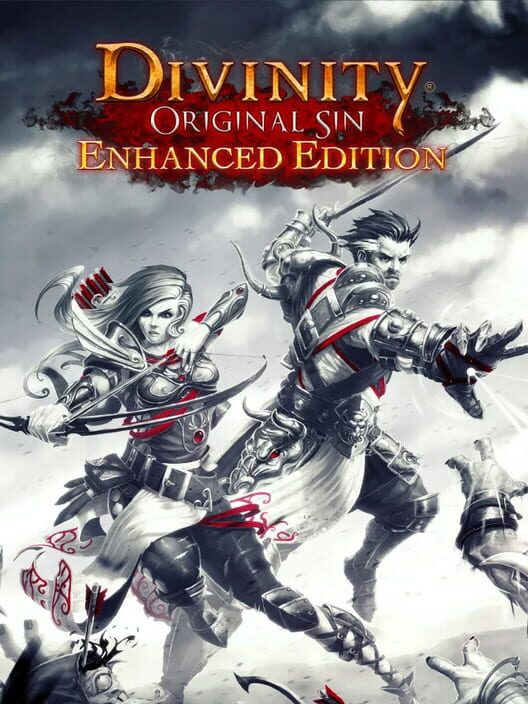
Satiates the Baldur’s Gate 3 craving that had been gnawing, ferociously, at my core for months (‘thou must return! embrace the dark urge!! toxic durgetash yaois await!!! ignore the fact that you are reluctant to return until the fandom has exhausted itself in terms of mods and such!!!!’ – hush, self). Divinity: Original Sin is a world that feels familiar in terms of witnessing how Larian laid the foundational blocks for the immaculate construction that old Baldurian himself would approve of, while feeling fresh. New world, and all that.
Though the characters are considerably lacking (primitive, really) when placed alongside shart-my-beloved & co., a comparable sense of freedom prevails in terms of navigating fraught situations through throwing any old thing at the wall and seeing what sticks. Or realistically, tumbles right off and crashes all the way back into your party #rip. How delightful!
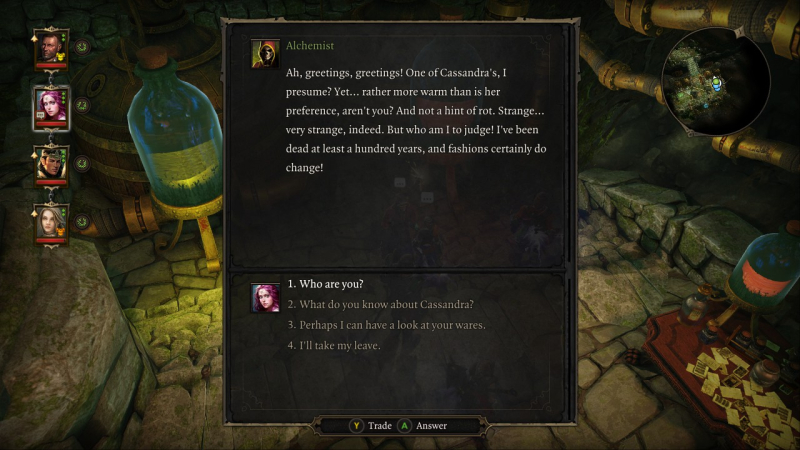
In true Larian fashion one whittles away countless hours trawling dust-enveloped forum annals, fingers all but pressed against furrowed temples, certain that a necessary game flag must have somehow slipped through Divinity’s expansive narrative cracks. Backtracking is par for the course, a notepad outlining steps taken a welcome comrade on this journey through Rivellon. In one particularly desperate moment all seems lost, until Everything Clicks and it’s beautiful.
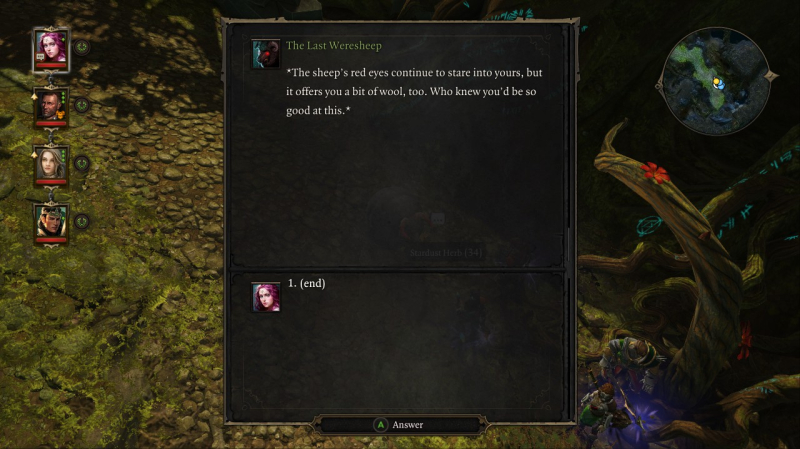
Banter and idiosyncratic non-sequiturs were top-notch, venom pouring from the lips of fluffy woodland creatures with glossy eyes; undead horrors well-versed in the art of camp. It almost makes up for the lack of tangible attachment to its cast and overarching framework. Almost. Though the arcane MacGuffinry of it all wear somewhat thin as stakes rise (she god on my box till i divine etc. etc. etc.), for those curious about what brought bloodstained footsteps to Baldur’s Gate 3 there is certainly much to appreciate here.

As one traverses the sordid, grime-encrusted annals of otaku culture, there comes a time where one, perhaps filled with a degree of trepidation, simply must come to acknowledge the fractured lens through which magical girls are often cast. Within months of Minky Momo’s broadcasting, Toshihiko Sato expressed bafflement at adult men being involved in fan clubs, those who would profess their admiration of the show – a far cry from the eager mothers and children he had envisioned, tuning through the static haze to see a young girl realizing her dreams. Its fandom earned a particularly nefarious reputation as a cultural catalyst, contributing less-than-salubrious surges in Comiket activity. Nunokawa Yuji of Creamy Mami fame notes that its events were predominately filled with a similar cohort.
It is this context, above all, which is critical in understanding Blue Reflection and its intent.
Within the torrid throes of adolescence, one’s selfhood emerges through a dizzying kaleidoscope of emotions and experiences, ever shifting, in which sexuality is similarly reflected. Deliberately choosing to examine such a foundational aspect of the individual would appear particularly apposite for Blue Reflection given its ostensibly profound emphasis on an otherworldly domain shaped by this pseudo-Jungian collective unconscious; developmental turbulence made manifest. Though fecund grounds for such exploratory practices are left uncultivated, it grows all the more perplexing, then, why Blue Reflection so often gestures towards an environment in which voyeuristic staging abounds, implicating the player-as-proxy through glossy limbs conspicuously lingered on with a palpable hunger. One can all but hear the audible gulp at Gust HQ, causing a grimace to inevitably twist features.
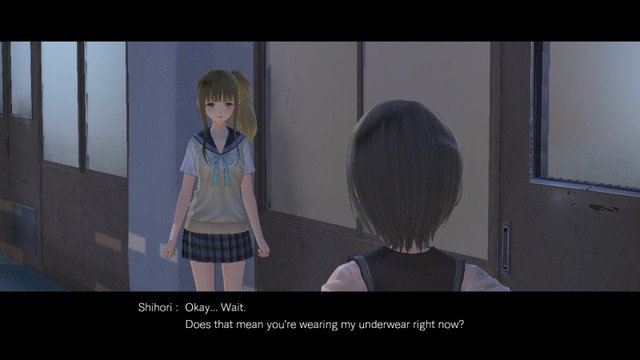
What follows is a tawdry litany of sequences telegraphed with contrived exposure in mind – each character becomes the unwilling recipient of being caught in the rain, undergarments visibly on display. Shower exchanges staged with the flimsiest pretence of modesty and comments about physiques, its equivalent of light bar censorship with slimy suited execs cackling dismissively about Blu-ray sales. Practice sequences for an upcoming culture festival play are rushed off the imagined stage in favour of inane dressing room chatter, the girls lounging about in their underwear. Throughout these situations, the player is reminded of Blue Reflection’s production, and how those involved were encouraged to incorporate their own various fetishes such as underwear carelessly dropped to the floor and foul-smelling feet, amongst others.
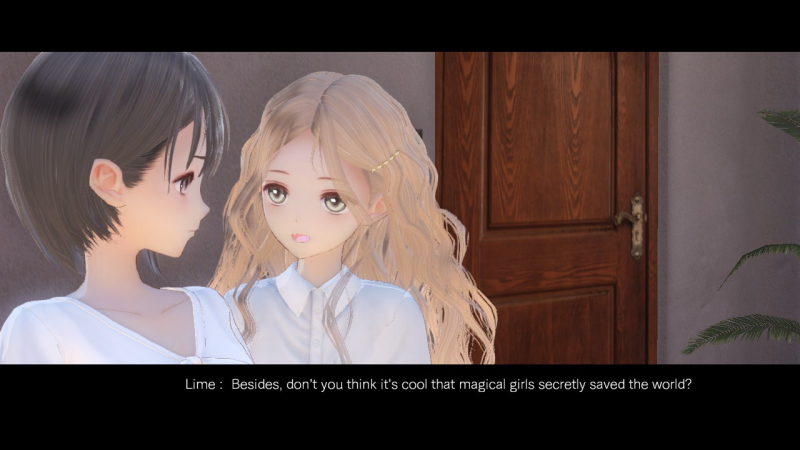
Though expressing one’s desire and having its residue ooze through the narrative in thick globules is not necessarily deserving of condemnation, its presence seeps through the fabric of Blue Reflection’s existence, oftentimes undermining its arguably sincere sekaikei sensibilities leaving a stain of tonal dissonance. One character defined by an adoration for beauty and drawing out a similar appreciation in those swirling around her vicinity, when shuffled off to the margins of irrelevancy, is reduced to underwear exchange fixations and unsolicited groping of protagonist Hinako; all framed as permissible, naturally, under the guise that such invasive behaviour is tolerated amongst girls. It is not. Meanwhile, a similarly troubling instance presents itself through a different character covertly photographing Hinako as she disrobes, leveraging images surreptitiously taken for financial gain – naturally, under the guise that it is meant to be played for laughs. It is not.
Such repellent instances have their disturbing connotations exacerbate considerably once another pair of characters grapple with the emotional devastation of betrayal beneath the lascivious lens of an upperclassman taking photos of them in similarly vulnerable environments. The proximity of these conflicting occurrences displays an unwillingness to reconcile the ethical implications, particularly as throughout the player-as-proxy is tasked with the role of exploitative observer, peering at Hinako & co. as they undress, all but leading pixelated hands to the bath, the shower, the pool. What matters above all for Blue Reflection is rooted in what Minky Momo unleashed upon the masses – though it is quite a pretty game in numerous regards with a comparatively ethereal soundscape, it is impossible to disregard the above rendering it a difficult work that I can’t help but feel unnerved by with the distinct sensation that it was Not Made For Me™.
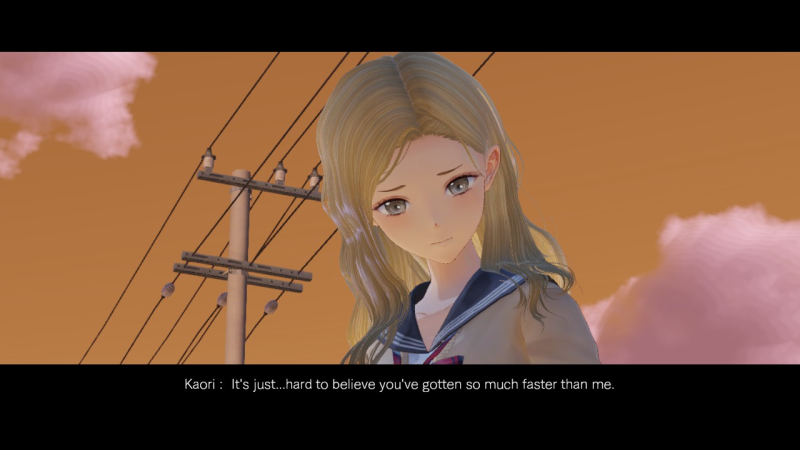
Once I informed my partner that despite the above, I heard its follow-up all but disregards the questionable elements in service of a finer game, he sighed as he knows all too well where this is truly going.
to come

to come

to come

Eyeing the cast of Hookah Haze had me giddy with the notion of this hookah lounge management simulator having its pixelated thumb firmly on the pulse of Harajuku fashion, incorporating a fusion of trendy substyles such as cyber futurism, yamikawa, and athleisure.
From the swirling haze of hookah smoke emerges Kurumi, all pastel braided extravagance and stitched teddy bear, poised to reflect a society mired in malaise and doused in disillusionment utilizing alternative fashion as armour. She flits about the hookah lounge, gawping at fish without engaging in meaningful conversation beyond inane one-liners; shuffling out without so much as a peep.

However Hookah Haze seemed committed to engaging in a deliberate examination of her behaviour, seeking to reposition Kurumi away from the moe mascot stylings plaguing her introduction and demonstrating how she has been othered as a result of these actions (“For her, living in the adult world must be like living in a tiny cage. I can’t even begin to comprehend the level of frustration she experiences”).
Toru approaches Kurumi with empathy and compassion, providing her with a space to simply exist as she is bathed by the lounge’s comforting neon glow. Delving further into her background, she reflects positively on her experience in university through a lecturer being sympathetic to her communication issues, in turn fostering an environment where she could thrive. Thrown headfirst into a toxic workplace in which she is constantly disparaged and looked down upon however, Kurumi is bound by ruthless societal constraints; restraining those living beyond rigid normative behavioural patterns.

Though there is potential for something multilayered regarding neurodiverse-coded individuals integrating with society, there’s a frustratingly infantile element which seeks to patronize Kurumi which feels at stark odds with the narrative which Hookah Haze is attempting to portray.
(More later.)

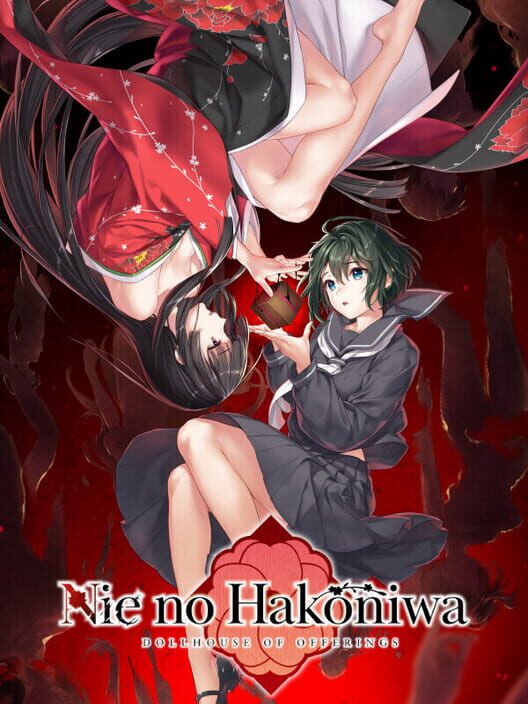
to come
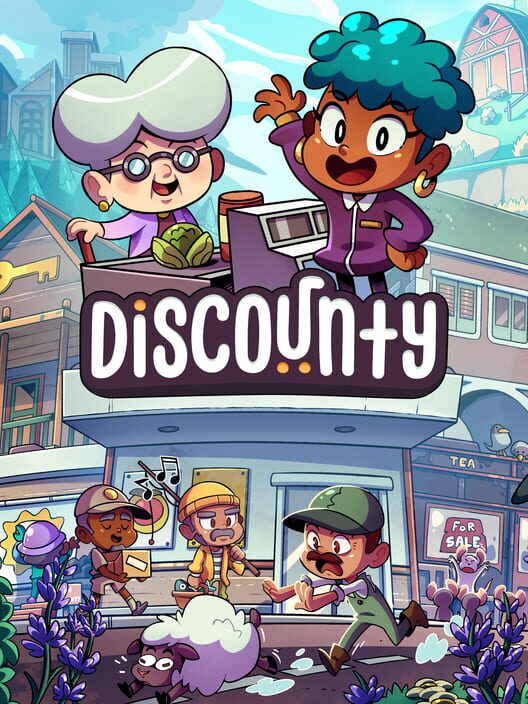
to come

“Do you ever think about how quickly you could get through your backlog, and play what you genuinely want to play, if you didn’t play this kind of slop?” asked my partner, in audible disbelief.
Thoughts for Love Songs: Idol ga Classmate will come at a later date.

no

ladies ladies one at a time

one of the only scenes that disrupted the monotony tbh

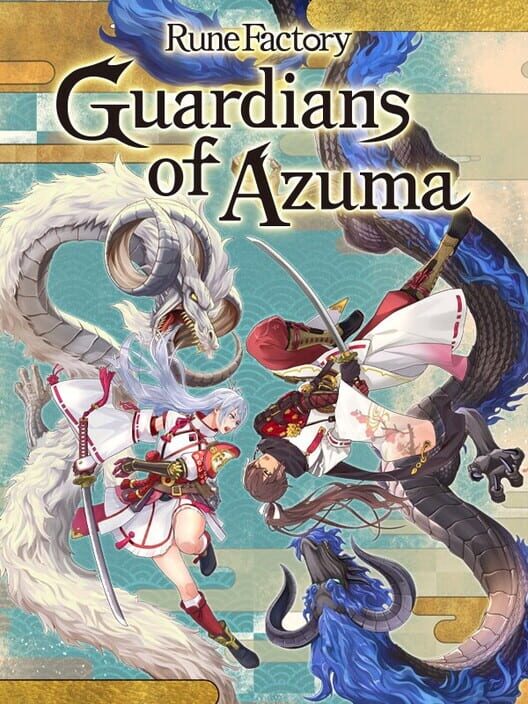
While recovering from an infection this past July, a slice of pastoral idyll seemed to form amidst the throes of a medicated give-me-something-to-do-before-I-lose-it miasma. Weary and bleary-eyed, a herd of Moo Moo Meadows cows would gracefully shepherd your webmistress through rustling fields of gold; a feverish spectre mooing and cooing that farming might just fix her.
Though I had (yet) to immerse myself in Harvest Moon or later Story of Seasons entries, its most recent spin-off Rune Factory: Guardians of Azuma came warmly recommended as a farming simulator replete with the genre's familiar bucolic serenity. Tend to the land, uplift communities through restorative practices, and – perhaps most importantly – court villagers therein. Ooh laa laa!

Venturing down to Azuma’s dizzyingly high-contrast, technicolour landscape provided a saturated beacon to cling to amidst drowsy convalescence. With resources typically granted through a reward-based system (e.g. ‘lay waste to x amount of creatures to receive y materials’, though you can of course procure them yourself but that’s like, effort), combat thankfully proved light in difficulty which provided a comfortable balance to the daily minutiae of agricultural duties. Wake up, tend to crops strewn about the seasonal quartet of farms, check in on villagers, carry out the above quests before sleep beckons – so on, and so forth, coaxing your webmistress into a gentle rhythm.
Though Azuma’s fields ostensibly stretch on into the gentle sunset of perpetuity, crops basking in honey gold warmth, insects buried deep within the soil writhe with an agitated insistence. There’s something rotten in the state of Azuma as players are encouraged to later delegate all matter of waterin’ ‘n sowin’ ‘n pullin’ ‘n tendin’ ‘n mendin’ to NPCs held captive to the sway of managerial optimization, and slowly it shifts from a farming simulator into stacking the books mulling over which villager is financially viable based on their skill set. Holding their pixelated lives in your hands proves uncomfortable, the creeping realization that you are essentially a landlord bossing people about. Decorating’s colour similarly fades, as strategic planning of stat-boosing items deincentivizes creativity. Planning how an empty zone ought to appear takes on a distinctly chore-like quality once you realize what’s important is throwing vitality +2 items down (that may not even aesthetically complement the area in question, mind) and calling it a day. Number goes up.

Structural grumbles aside, the appealing smörgåsbord of suitors is what lead me fumbling down the story’s path to its conclusion. Fubuki contends with the burden of being eternally perceived as a younger brother type, an overly familiar neighbour perhaps; bushy tail swishing in boyish exuberance. Diminishing reverence threatens the very essence of his divinity, which proves to be a reoccurring thorn prickling the collective side of Azuma’s divine sextet. Ulalaka in all her mild-mannered grace is venerated from afar, yet longs to be recognized as a peer – how can it be possible to command respect, while wishing to broach the ever-widening gap between man and mortal? It’s a curious paradox which extends to her romantic inclinations towards the player-as-proxy. Despite the quasi-comedic bent in Kurama’s depiction as something of a shut-in, he too is immersed in a prison of perceived inadequacies, resulting in retreating inwards and shying away from villagers that ought to be granted comfort and support.
Infamous for his brash, drunken swagger, the multi-layered approach to Kai and his ideological conflict of unifying oni proved fascinating however by the time I reached where his scenario further developed, I was about ready to finish things up. Kanata’s interactions are aggravating in her haughty heavenly decorum, all tsuntsun trimmings prefaced with unabashedly charged ‘i-it’s not like I did it for you, or anything!’s. Cuilang’s scenario felt like the most compelling of the lot, undoubtedly a fan favourite I’d wager. Pilika and Ikaruga I similarly found quite sweet.

Should you be preparing to visit Azuma, colour-altering mods are simply a must given the game’s overly saturated, eye-searing tones. Below are a list of indispensable picks:
| suzu recolour | iroha recolour |
| iroha hair recolour | sakura ulalaka recolour |
| ulalaka recolour | mauro recolour |
| matsuri recolour | kaguya recolour |
| kurama recolour |
| gift giving tweaks | faster fishing |
| who needs sleep | crop burner |
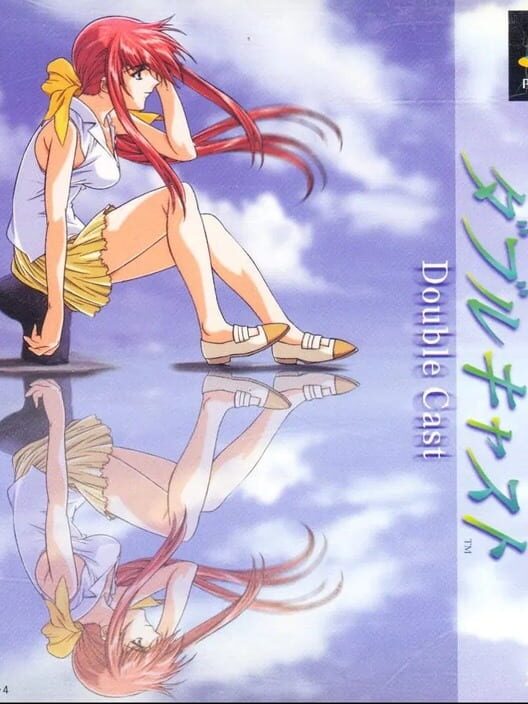
to come.

to come

to come


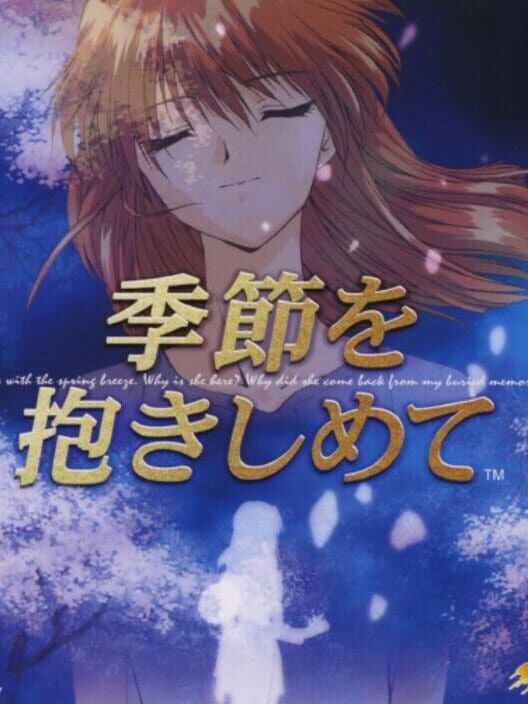

Fertile grounds for speculation are regrettably left uncultivated, Kisetsu hurriedly shepherding players through a host of perfunctory sequences designed to propel its narrative forward with little deviation. In doing so, characters are denied the space to flourish, emerging as hollow ciphers filtered through the dulled prism of Everylead-kun’s late ‘90s hetare sensibilities; personality eternally in flux, further undermining cohesion. Characters become symbols, gestures. What you see is absolutely what you get, twisting and warping beneath scene constraints.
Though Everylead-kun may idly muse on how to best retrieve Mayu’s memories, his attention is oftentimes swayed by cloying superficialities of romantic entanglements extending to a fellow university student, whose potential discovery of his sneaking around with Mayu becomes a source of tension/

Rather than addressing the ethical complexities of Mayu’s dependence on Everylead-kun through his questionable reluctance to get the police involved and later welcoming her into his home, Kisetsu indulges in exploitative detours contextualized amidst the city’s lurid underbelly aglow in flickering neon. Through the player’s pursuit of unraveling the mystery shadowing Mayu’s curious existence, it is possible to encounter a store trading in uniforms and undergarments procured from young girls, alongside a photographer capturing voyeuristic images of the same cohort - of course, Mayu is little more than an object unto which Everylead-kun’s desires are projected so she is no exception. 

Despite attempts at neutralizing the above sequences with a comedic bent, intentions are transparent - particularly when the imouto-cum-girlfriend section of Kisetsu unfolds with Mayu cooking up a storm for Everylead-kun. Ultimately, it does not matter what or who Mayu is for she serves a particular ideal. Tear-streaked revelations dissipate with the falling rain, cherry blossoms fade into the night’s embrace, and once all matter of sister-in-a-coma-I-know-I-know-it’s-serious-isms alongside ghosts of spring past past are thrown at you it’s time to bid this particular season farewell.
Thanks to Nishikubo Mizuho (episode director for Rose of Versailles’ back half alongside a smattering of Ashita no Joe episodes - every bit the Dezaki protégé) Kisetsu does look quite pretty, if nothing else. So. There’s that. Animation is fluid to boot, with Mayu fleeing down rain-soaked steps coming to mind.


As an aside I will not be listening to the theme song any time soon, which I once was quite taken with. Shame, that.
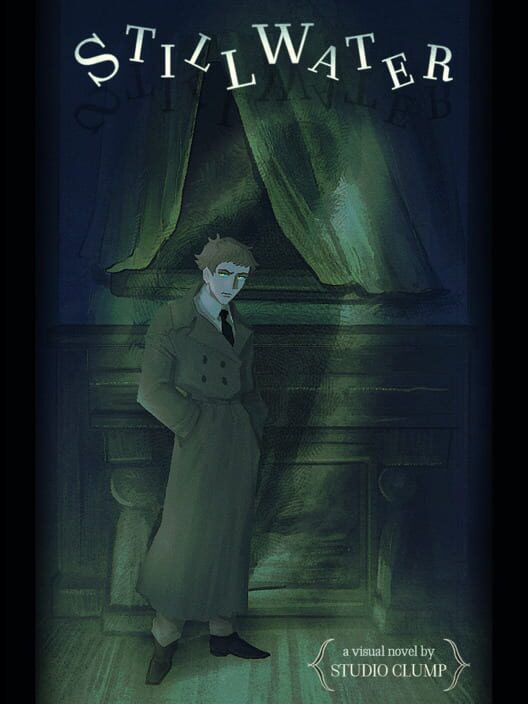

Hugo’s somewhat dour personality is commendably balanced out by a bubbly assistant and loveable bloodhound (a charming nod to another detective’s pal, I am sure), establishing a trio with an enjoyable dynamic that I wouldn’t mind appearing in future entries. They provide levity to an otherwise sombre venture into the oppressive dampness permeating Henry’s life, a lone figure steeped in the abyss of melancholia; adrift in time’s unrelenting passage to the point where he is suggestively depicted as being younger than his years. Frozen in time, unable to move on.
Millais’ Ophelia along with similar waterlogged paintings haunt the walls of his home, transforming into a watery grave where regret festers and trickles down into generational trauma. Henry’s granddaughter paints a grim portrait of family members disappearing only to surface months later with their existence shrouded in whispers of an ancestral curse. Once Hugo wades through their family’s murky history, a fairytale in which a fisherman falls in love with a mermaid tragically represents the current state of affairs; all tragic longing reinterpreted as a quasi-supernatural curse.

Calling to mind Andersen’s Little Mermaid widely recognized interpretation as a queer allegory, the fisherman-cum-Henry eternally yearning after the mermaid-cum-Louis despite outward success and adherence to traditionalist expectations similarly reflects the silent toll of submerging one’s identity. Hugo in turn appears to be grappling with a burden not unlike Henry’s, words of “I hope that someday you too will overcome it” lingering like sea mist.
Stillwater ends with an uplifting call to arms, that even through the darkest nights and deepest waters a hand will inevitably reach out in solidarity. Though we’ve only traced the surface of Hugo’s story, rippling out in promise, I wouldn’t mind playing more. Hoping for a sequel.

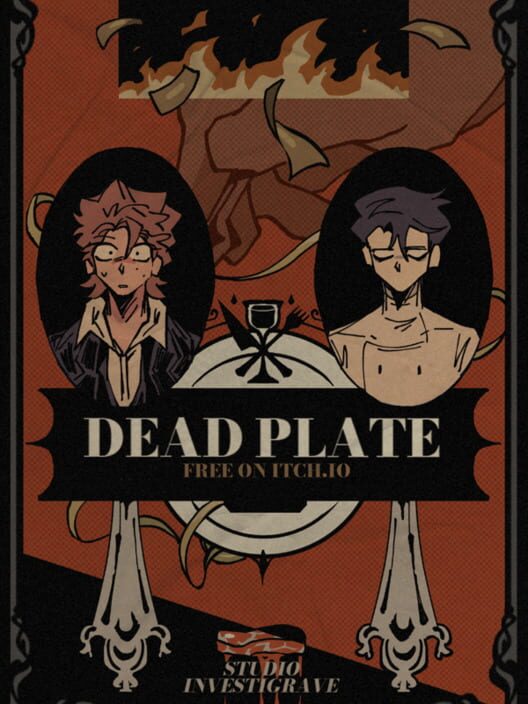
When cast through a narrative lens, cannibalism oftentimes serves as a grotesque means of flaying epidermal façades to expose the raw, palpitating core of human vulnerability and desire lurking beneath. Adding a delectable spice of psychosexual intensity to relationships marred by dysfunction, the very act of consumption is ravenous yearnings for intimacy sinking down to one’s marrow made manifest; coursing through their veins. It transforms into a form of carnivorous, blood-splattered eros devouring the boundary of normative means of affection. Likely to boast similarly gory inclinations, Dead Plate’s warm reception contextualized amidst the milieu of 1960s French hospitality had my anticipating a dynamic marinating in bloodlust, served with gusto.
It is a shame, then, that I don’t have much to say about what Rody and Vince share. Presented as a restaurant simulator – calling to mind time frittered away under the blinding glare of Mary-Kate and Ashley’s kitsch Americana diner – Dead Plate quickly proves to be anything but palatable. Though its art is eye-catching and what initially drew my interest, gameplay is unintuitive to the point where I found myself repeatedly failing the tutorial and first day, baffled as to why customers turned their collective nose up at steaming plates painstakingly prepared. After about twenty exasperating minutes accompanied by skittish key pressing, I realized that the downwards arrow key first needed to be selected before interacting.
Ah. Well then.

Cue a Sisyphean loop of culinary purgatory peppered by sparse Rody/Vince interactions, clunky controls resulting in our protagonist rushing from table to table as customer patience wore increasingly thin. In juggling increasingly convoluted demands, venturing beyond the serving area seldom if ever crossed my mind – why would I, after all, when rubbish didn’t need to be taken out back? Such a frenetic and by the book playstyle perhaps inevitably resulted in an ending that left me unsatisfied and craving more, plated without consideration for player appetite.

I did encounter certain sequences which appeared to suggest something more substantial bubbling beneath the surface (e.g. Vince being of the impression he’s a Kitchen Nightmares extra through cruelly berating a chef; scratching eerily emitting from the freezer in the dead of night; disturbing dream sequences growing increasingly visceral) but given how stressful the core gameplay loop proved to be, I found myself sighing and exiting the establishment without caring to glance back.
I could have pushed through another session had there been more weight to the core dynamic, yet days went by without so much as a word exchanged between the pair. Though environmental context clues allude to Rody’s missing ex-girlfriend and Vince’s likely involvement, these breadcrumbs never congeal into a coherent narrative reduction, instead growing ever-stale and left to the side. Without necessary ingredients binding its emotional components, the dish Dead Plate attempted to serve is under-seasoned.
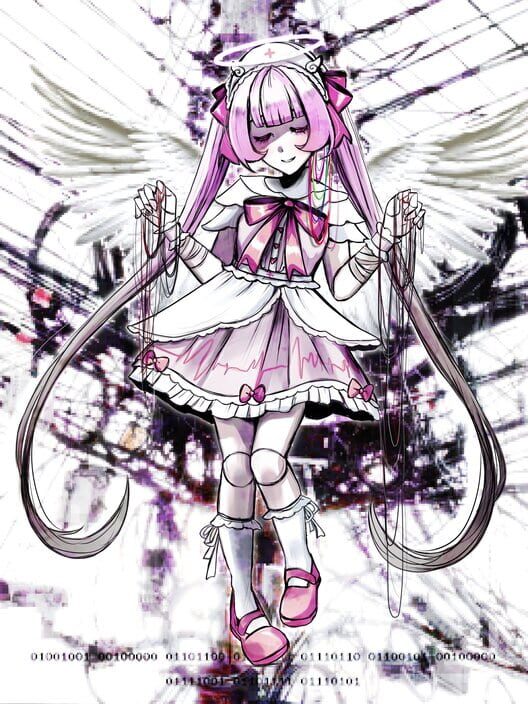
Given the epoch-defining cultural status Needy Girl Overdose attained through examining the pursuit of e-validation at the expense of one’s identity, it was inevitable that derivative works fashioned in its pastel image would surface from the vast cybernetic expanse. Wearing its influence on lavender bloused sleeves, Love Angel Syndrome involves a girl grappling with societal displacement finding solace in the digital arms of a desktop assistant. Strip away the artifice however and you’ll unearth a void into which Needy Girl’s superficial elements are haphazardly cast, acknowledging its aesthetic and marketable buzzwords (.e.g internet-obsessed shut-in!! breaking the fourth wall!!) but lacking what truly transforms Needy Girl into such a transgressive work mired in contemporaneity.
That I first encountered Love Angel Syndrome through TikTok, framed within the ephemeral spectacle of a lost-media meme, feels almost too fitting: surface-level nostalgia dutifully checking the requisite boxes of a postmodernist visual novel without engaging in any substantive interrogation of what makes this subgenre so impactful.

Spanning a mere thirty minutes in length, Love Angel Syndrome proves to be little beyond superfluous declarations of “Yuuna is just like me fr”; surface-level relatability leading to carefully selected profile images bathed in soft-focus bloom. Despite plaguing her life to a severely impactful level, her social anxiety amounts to tenuous #meirl scaffolding, the daily minutiae of putting oneself through the emotional wringer not really engaged with on a meaningful level. The eventual rejection of Ai as a controlling force dovetailing with Yuuna’s decision to seize the agency that had until this point been relinquished to her fails to execute with any real catharsis. Their dynamic unfolds through a fragmented series of interactions that do not really mean anything at all, leaving the resolution lacking.
As is typical for the subgenre, meta-glitches warping space and time to infiltrate the textbox are applied, but for what? Gestures toward higher ontological forces slithering amongst noughts and ones stretching out in perpetuity likewise come across as hollow affectations, feeling like a lazy response to postmodernist visual novels – you understand, based on experiencing works dealing with ostensibly similar frameworks, what this entails. Not necessarily because it matters to what Love Angel Syndrome is doing. The invocation of “You” as this passive observer likewise serves to highlight the superficial gestures; presence fleeting and inconsequential.

Potential flickers through the tangled circuitry of Yuuna and Ai’s mutually parasitic dynamic; siphoning from one another in an endless feedback loop, draining the other’s desires until nothing remains but a lifeless husk. Had Love Angel Syndrome focused on this aspect as opposed to needlessly invoking superficialities for the bantz it would have been a more compelling work. To that end there’s quite a lovely moment in which Yuuna, adorned in all her jiraikei finery, receives affirmation from Ai through asserting that Yuuna looks beautiful even with the constellation of scars mapping her thighs.
It was one of the few moments which felt genuine, and could prove to be quite transformative in terms of potentially reaching someone. Acknowledging Yuuna’s emergent queerness through her engagement in the type of visual novels she consumed similarly felt validating, with Ai astutely observing that Yuuna’s initial inclinations favoured male romantic leads before gradually shifting towards GL – a journey mirroring countless other’s. It’s not all bad.

Not a total system failure, but ultimately Love Angel Syndrome runs on surface-level aesthetics, engaging with the syntax of metatextual visual novels without meaningfully examining what lies beneath. Here’s hoping that future Needy Girl Overdose pretenders to the throne aren’t as similarly superficial going forward.

Emerging from the primordial ooze seeping into Static Dread: 15 Nights at the Old Lighthouse’s demo and starved for more, only the eerie allure of quasi-Lovecraftian oceanic terrors could quell this hunger gnawing at my very being. Eyeing my Steam library, The Lighthouse Keeper stood in all of its monochromatic, pixelated gloom. A maudlin sojourn spanning no more than ten to fifteen minutes into the psyche of an unnamed lighthouse keeper finding solace in the sanctity that comes with solitude, his abstract ramblings crash against the rocks. What one can salvage lies in observing the well-oiled mundanity of simple, repetitive tasks, such as tending to mechanical faults and noting who washes up on shore so he can... raid their lifeless bodies. Ah,

Eerie parables surrounding lighthouses as desolate, distant structures coaxing all residing within worn walls to madness are a staple of nautical horror, oftentimes drawing on past catastrophes (e.g. the tragedies surrounding Smalls Lighthouse). Lighthouse Keeper’s narrator is of course, no exception, forming something of a symbiotic bond with the lighthouse itself. He wishes to harness its power for his own, not unlike Eggers’ The Lighthouse in which the mesmerizing lure of the Fresnel lens burns through the gloom of humanity’s collective psyche as a Promethean flame - knowledge made manifest, divine fire that mere mortals dare not tamper with.
Regrettably due to its runtime, Lighthouse Keeper is all suggestions and impressions; half-whispered thoughts called out to an uncaring ocean, dissolving like seafoam. You are granted privy to distracted snapshots taken of a lonely figure deliberately pushing others away, and how it has warped his very being to the point where he becomes almost like a tyrant of the sea, yet another malevolent pawn wishing to see sailors dragged down to Davy Jones’ locker and actively causing harm. A unique setup, certainly, but not something that could be adequately explored within ten/fifteen minutes. As a result, I’m left unfulfilled and setting my gaze out to the waves once more.
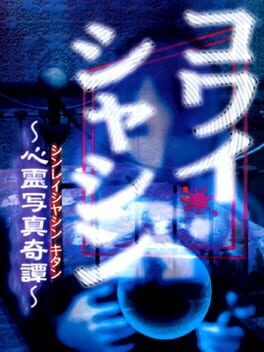
With the Silent Hill F trailer resulting in your giddy, salivating webmistress all but giggling and kicking her feet, I found myself wandering the labyrinthine sprawl of horror drawing on cultural touchstones. Given my penchant for turn-of-the-century supernatural escapades built upon the shtick of urban legends and technobabble instability, I settled on Kowai Shashin - Shinrei Shashin Kitan. Its premise of exorcising spirits through spirit photography stood out as a possible exercise in camp indulgence, fuelled by copypasta rumours about the game being cursed dotting Amazon. Marvelous!
(For a breakdown of the ‘curse’, I’d recommend settling down with a freshly brewed cup of tea to read this.)

Gameplay amounts to a torturous exercise in pixel hunting, certain segments recalling an agonizing, jittery half hour spent desperately clicking through virtually every pixel during a late-stage YU-NO sequence (iykyk and have my condolences). Once the aberrations are released from their poorly photoshopped, pixelated prisons, a series of repetitive mantras to whoosh them away to the great beyond follow, and… that’s it. I wouldn’t have minded per se had the story compensated adequately for the monotony that is spot-the-pixel, but unfortunately you don’t really get enough.
You witness fragmented, spectral echoes of Hiori’s existence told through two or three lines at a time as she seeks solace in ethereal embraces; comforted by ghostly echoes of the past. The spirit realm is contextualized as a space in which those she loves reside, the past romanticized with unresolved trauma burdening her soul. While it is a premise which ought to invite support for moving on and becoming a better version of oneself, it’s impossible to form any sort of meaningful connection with Hiori. Her journey of personal growth is conveyed through a few lines, each profound internal shift transpiring over the course of a handful of lines. She ends up being less of a character and more of a cipher through which exorcisms are conducted. As a result Kowai Shashin ends up being. Shrugs. The most it will elicit is a very, very weary “good for her” but I’m not even sure if I even mean that.

As a starry-eyed youth captivated by the ever-expanding anime-flavoured delights within the PlayStation 2’s library, while thumbing through my local gaming store’s pre-owned section a confident, smirking redhead brandishing a staff once caught my eye. Recognizing the by now familiar Nippon Ichi labelling due to my fondness towards Disgaea: Hour of Darkness, and giddy at the idea of playing as a girl it didn’t take much for me to swiftly bring La Pucelle: Tactics to the counter.
Eager to explore a macabre world, its dark yet captivating atmosphere revolving around a demon-hunting ensemble lead by the sharp-witted Prier left a lasting impression. Dragged around by fate while besieged by Cupid’s arrows, I came to count it among my most cherished titles. When the enhanced version, La Pucelle: Ragnarok, was released on Steam, driven by nostalgia-induced giddiness I was quick to set about installing. Those pesky demons won’t vanquish themselves, you know!

Aging is a funny thing. Works once bursting with technicolour admiration dull considerably; faintly preserved in the gallery of one’s memories. Revisiting La Pucelle: Tactic’s world through Ragnarok left me distraught witnessing its state as an unrepentantly juvenile piece dredged from the sordid annals of otaku history. Despite ostensibly serving as a vessel to explore an adolescent girl’s burgeoning emotions on a world-ending scale, it’s rife with antiquated misogyny.
Post-chapter skits revel in the unsettling antics of a fifty-something troupe overseer, taking delight in the revealing costumes of female cast members. The game seems determined to persuade players that a sheltered princess being dudesplained about there being more to this world than books by a womanizing globe-trotter somehow constitutes as genuine relationship potential (“Hey, don’t those two make a nice couple?” – no, no. They do not). Prier’s love interest, once distorted through youth’s prism felt cheeky yet charming, became an immature sleazeball (“I thought under that tough exterior beat a heart of ice, but you're almost a lady!” he chortles).
Éclair innocently mentioning her desire to take a bath leads to knuckles white with tension, the ghost of a grimace in preparation for yet another wildly inappropriate remark. Predictably one follows, accompanied by a playful tune as if to nudge the player into laughing it off. Lines such as “Women may not understand risking life for pride” and “You’re a man. Try to understand how he feels” go unquestioned, as do exhausting tropes such as underwear thieves, breast and weight gags, and an entire godforsaken chapter devoted to male pattern baldness in a game which, allegedly, revolves around a teenage girl’s experience.

Beyond the marred landscape of poorly executed and reductive gags lies unconvincing, perfunctory writing doing the bare minimum in sketching out motivations and relationships. A pairing I once found endearing lacks necessary moments of warmth and significance leading to an apocalyptic unravelling that strains at evoking the heaven and hell-shattering stakes. What they share simply is not afforded the required depth, instead being rather distant in a manner which uncomfortably culminates in an unsavoury woman assimilating the darkness of a man plot we’ve seen countless times before.
Their relationship ends with ellipses, an until-next-time-folks, a longing gaze across the ocean as the journey must go on. It feels unsatisfying, and an additional scenario in the form of Prier transforming into a netherworld overlord simply wasn’t enough to keep me from uninstalling.

Moral of the story? Maybe those games you liked as a kid should be firmly shut between childhood’s door, never to be let out.
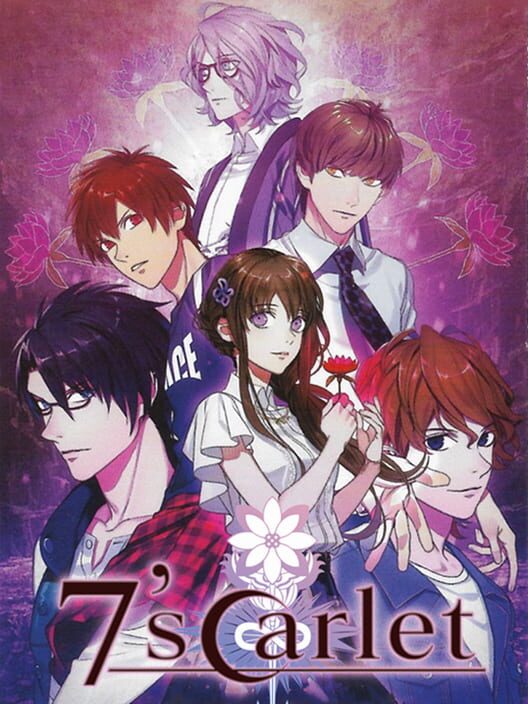
Deep within the secluded crescent moon-shaped village of 7scarlet’s Okunezato, a veil of lavender-hued mysteries is poised to be lifted. Will-o’-the-wisps flicker within encroaching darkness, pillars of the community are dragged off never to be seen again, and the spectre of death looms through whispers of the deceased returning to tread cobbled streets and prey upon the living.
An atmosphere that is both paranormal and sinister comparable to enduring supernatural-town-with-a-secret™ staples entwines with protagonist’s Ichiko’s unease regarding the prospect of her beloved brother, who seemingly vanished without a trace, fading from her memories. In pursuit of the truth she navigates the shadowy maze of Okunezato’s mysteries, confronted with conflicting information at every turn. The game’s haunting mantra “to say goodbye is to die a little” lingers amidst the ephemeral quality of her discoveries, quietly settling in the player’s mind.

Though the supernatural elements of 7’scarlet are competently illustrated, despite complex narrative scaffolding providing Ichiko with potential her development regrettably dissipates into the same miasma enveloping Okunezato. Should the player opt for Ichiko standing up for herself during a particularly harsh tirade, it prolongs the opposing figure’s spite; culminating in meek submission.
Such clumsily portrayed romantic elements further detract from a well-crafted small-town mystery, with a jarring example lurking in the shade of an otherwise affable candidate doing his best Annie Wilkes impression. A rockstar with a secret, exuding the oily revulsion of a pick-up artist, delivers greasy one-liners oozing into the player’s pores with a perplexing sincerity that left me certain it was a diabolical ploy at destruction.

Though mired in the turgid sludge of lamentable genre pitfalls clogging the player’s thoughts, 7’scarlet nevertheless engages with sombre thematic concerns touching on love’s ineffable significance even in the face of death, the agonizing process of grieving, and letting go of those who have passed.
While largely predictable (e.g. a masked antagonist’s voice, even with nefarious chuckles distorted through a voice-changer, has a distinctly recognizable timbre ensuring his identity being known several routes before the disappointing reveal), within the restrictive confines of an oftentimes escapist medium 7’scarlet stands out for its willingness to confront such weighty themes with a level of gravity often absent within similar narratives.

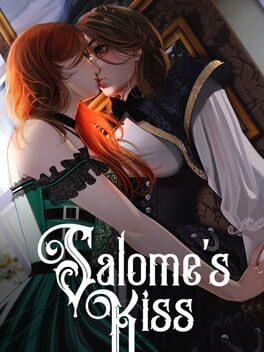
A bittersweet yuri work adorned with all the gloomy trimmings of gothic romanticism, courtesy of the always wonderful ebi-hime.

Wrote more about ithere!
