





|
|
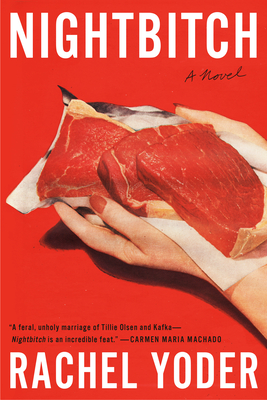
Nightbitch Rachel Yoder 2021 ★★ 28/09/2024 |
impressions
Amidst briary tangles scraping bare skin and flesh gleefully ripped asunder by sharp canine teeth, Nightbitch emerged – howling into nights heavy with isolation that stretch on in perpetuity. An oft-lauded Booktok darling, its premise captivated through the exploration of losing one’s identity amidst the frayed tapestry that is wifehood/motherhood/selfhood. The titular narrator’s existence is awash in post-partum existence’s muted tones, all that once defined her disintegrating through this new reality of being a cog in the heteronormative nuclear family machine and seemingly little else.
Once a daring up-and-coming artist celebrated for provocative performance pieces, she now finds herself drowning in domestic banalities: food-stained clothes, fussing over toy trains; tear-streaked cheeks, willing her son to succumb to the arms of Morpheus so that she may be granted a moment of peace at last. Just a minute, a few seconds – something that is hers and hers only.
Though framed as a consciously satirical body horror infused with magical realism, despite the work’s central conceit of finding peace within a liminal space (what if, like, you can be both a mother and a person gosh wow), where Nightbitch strikes fear into the heart is through assembling shards of a fractured identity in the wake of a life-altering event; blood beading fingertips, calling into question whether a reclamation of agency is truly possible. While Nightbitch’s own metamorphosis initially feels cathartic through raw, primal intensity, it grew repetitious and loses momentum – particularly when the son is eventually indoctrinated into these animalistic rituals known between the two as ‘doggy games’.
From there it regresses into an interminable grisly kaleidoscope of licking the son in a feeble bid at grooming and stuffing him into a kennel, internalized misogyny regarding stay-at-home mothers; juxtaposing Nightbitch in all her wild and untamed qualities as being set apart from the primped and polished archetypes of multilevel marketing-touting blondes smelling faintly of strawberry, skipping off into the forest to wreak destruction upon the lives of small critters in her (war)path, and ruminations on motherhood as a structure devised to stifle and subdue.
Amidst the bloody viscera and tufts of matted fur, Nightbitch is swathed in you-go-girl pop feminism, a stance further diluted through awkward gestures toward the feminine divine and a surface-level appropriation of spiritualism dating the work considerably. When Nightbitch ventures beyond the musty confines of an anthropological tome detailing mystical communes of maternal figures to find kinship with the MLM girlies she once dismissed, it lacks a sense of narrative salience.
Her internal reconciliation of motherhood with selfhood, sparked by a single gesture of support from her husband as he settles their son to sleep feels similarly unsubstantiated and lacking the weight that 200+ pages of inequality grumbling should have yielded. Even Nightbitch’s anticipated return to the art world, in which her provocative shows are subject to adulation despite utilizing animals in barbaric displays makes for a miserable read. The wanton animal cruelty strewn amidst the book’s blood-smeared expanse is gratuitous, and left me squirming (I skipped an entire sequence involving a cat).
There is also an atrocious looking film adaptation in the works, which by the trailer appears somewhat tonally incongruous compared to the novel’s material. Am anticipating the wince-worthy quality of the I-am-woman-hear-me-howlisms to be increased tenfold.
|
|
Our Wives Under the Sea Julia Armfield 2022 ★★★ 03/10/2024 |
impressions
Grief is a cavernous ocean engulfing those within inky-black depths. Immersed in the all-consuming waters of remembrance, veins clog; lungs straining under the weight of shared history. Limbs grow heavy and heavier still, and you find yourself succumbing to the gravitational pull of all that once was. All that will never be again. Isolation and guilt eddying around the narrative seabed, with tenderness Our Wives Under the Sea, explores the harrowing disintegration of a queer relationship between a pair of thirty-something women. A kaleidoscopic reel of moments shared – drunken pub excursions and films watched – contrast with the slow, painful erosion of losing someone to the throes of the half-known.
Languishing with the scum-encrusted bathtub, blood splashes around unbidden – rising through pores, reddish dots prickling a lunar canvas. Skin grows ever-translucent, distant. Where an eye once existed a globe of water-like substance takes form, until it doesn’t. A primordial transformation ushering in decay pressures Leah’s watery existence to sluice through trembling fingers, dropping into the abyss with a splash.
Visions of nightmarish Lovecraftian leviathans rising from arcane voids instil a primal, vaguely cosmic dread; turning veins to ice and stilling my heart. Seeing distorted, green-tinged footage of the magnapinna’s spindly limbs floating desolately a year or so ago, to the haunting memory of encountering an eerie illustration of an anglerfish’s jagged teeth between the ages of six and eight – though shrouded in a veil of darkness and mystery, the sea and its spectral organisms have long haunted the recesses of my mind. More people have touched down on the surface of the moon than have found themselves submerged within the abyssal nadirs of challenger deep, despite the ocean ostensibly being our very own.
To this end Our Wives Under the Sea merges the horror of deep-sea exploration with the creeping dread of what Leah and her teammates endured for several months. Trapped within the claustrophobic confines of the submarine, unknown voices drift by their ears, the smell of burning flesh ever-present – the sense that something out there is watching, the question of the Centre’s true intentions looming at the back of their minds. It’s dread-inducing, magnetic.
Though the elegiac narrative is split in twain between Miri and Leah’s perspectives, respectively, it’s anchored in Miri grappling with the guilt which arises from being left behind as she contends with unanswered questions and the uncertainty flooding the contours of all that she once knew. As if on autopilot, calls are dutifully made to the Centre – the aloof eye-logoed organization that all but vanishes, disappearing into sea foam, months following the submarine’s supposed retrieval. Their true goal doesn’t seem to matter much when faced with the loss of a loved one.
RP forums dedicated to women fantasizing about husbands lost at space are trawled, inviting users to craft elaborate fantasies regarding the absences of fictious men – which naturally results in Miri filling a glass of wine and angrily slamming it down by her keyboard. This emotional toll is underscored by her ongoing confrontation with the unknown which accompaies Leah’s nightmarish transformation, heightening the novel's exploration of grief, and the disintegration of identity.
Armfield portrays the process of grief coming and going, like waves breaking on the shore. At times its laps gently on the sand, offering a fleeting reprieve, while at other times crashes with a fierce, all-consuming intensity. Our Wives Under the Sea is a haunting work, a marvellous debut touted as a “sapphic aquatic horror and queer gothic fairytale” ensuring Armfield’s career will be followed with great anticipation (her latest work, a reimagining of King Lear, will be gotten around to in time!).
|
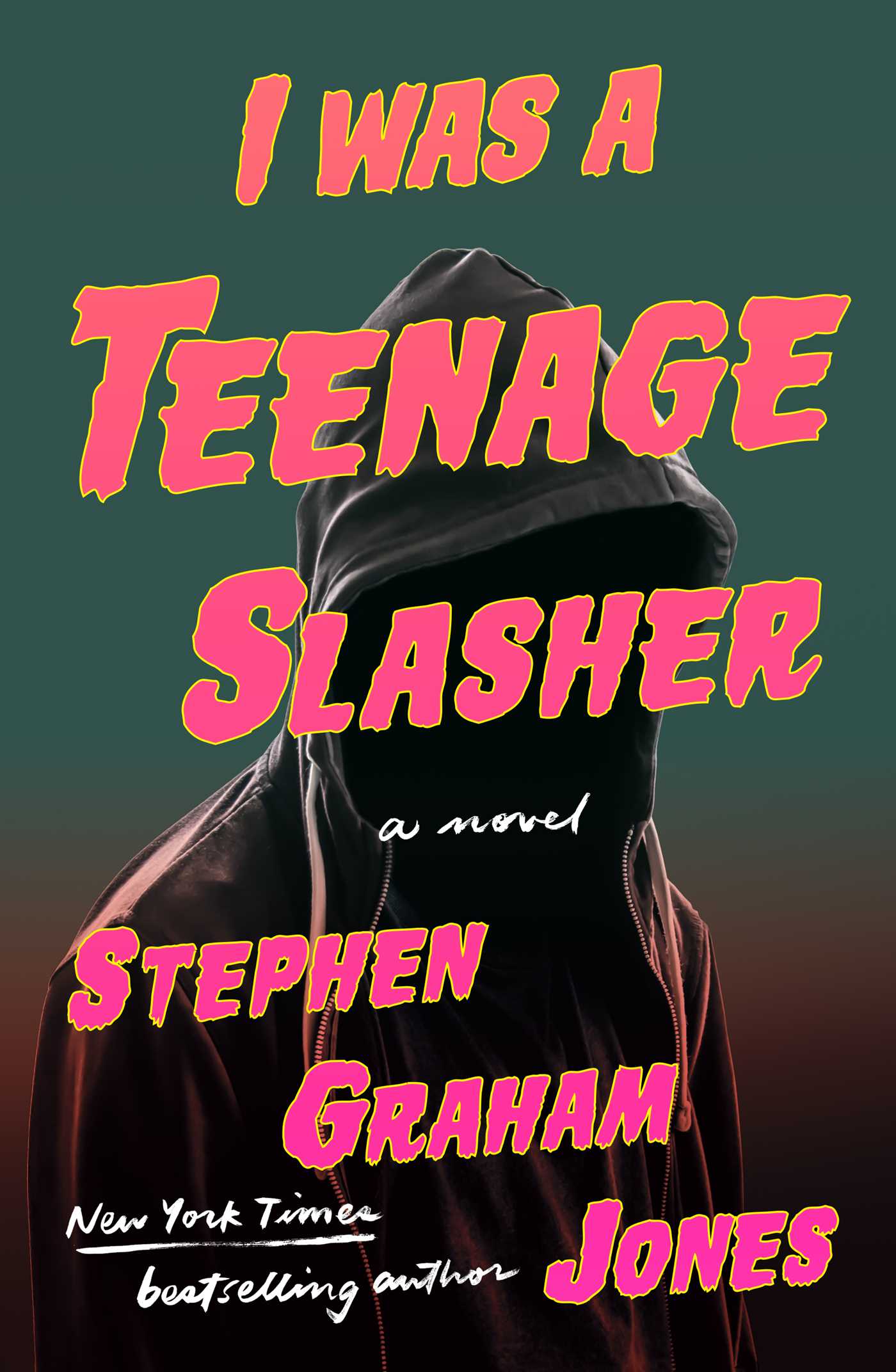
| Horror Movie Paul Tremblay 2024 ★ 14/10/2024 |
impressions
With October settling in all its leaf-speckled awe, cozying up with a delightful and frightful read proved enticing. Toying with nostalgia-driven analogue horror through a premise of an early ‘90s film production marred by misfortune, Horror Movie presented itself as a shining beacon amidst the autumnal gloom. Although what our motley crew quite literally pour their life into regrettably fails to materialize, its sole surviving cast member – Thin Kid – persists in fulfilling a promise to get it made. No matter what it takes.
His untangling what took place beyond the camera’s lens decades later proves to be the work’s most compelling aspect, awkwardly shifting through bureaucratic red tape and dealing with a fervent, and at times intrusive, fandom that has collectively taken to picking apart all matter of gory did-she-say-this did-he-do-that's within the shade of their e-hovels. It is a shame that these sections are afforded less time than anticipated within Horror Movie's tripartite structure, as the work oscillates between that present-day perspective, the film’s script (exhaustive annotations included), and hazy recollections of the original production.
Its structural framework, though ambitious through its plausible construction of a cult classic deserving of years dedicated to avid speculation across the internet’s expanse, feels disjointed. The moment one is swept up in the air of mystery, all but sensing a gust wafting through desolate school corridors ruffle their hair; fingertips tracing the mask’s unsettling contours, they’re flung across time and space. It takes a moment to adjust, but you’re left with the sentiment that all that once felt faint enough to perceive fades away into the autumn night, detracting from the story’s mystique and dismantling the very allure it presumably sought to build.
Ever-tenuous threads weaving together past and present fray with Thin Kid’s culpability called into question, gesturing towards an existential abyss in which the madness of eternity dwells, heightened by frenzied notes scrawled across the script’s margins. The mask he dons serves as a reflection unto which humanity’s sense of cruelty and complicity is reflected, engaging in a critique of those feverishly salivating over atrocities; blood-soaked vestiges serving as fodder for enthusiasts to tear sharp teeth into.
Extending the critique to hypothetical popcorn-munchers calling out for chaos and destruction naturally invites one to think of true crime aficionados and their carelessly dragging out pain, yet of course the movie flounders with its self-serving script and juvenile inferences; every bit the teenage dream through its wry wink at conventions and era-defining apathy. Witnessing carefully curated sequences uploaded on YouTube is enough to draw in a legion of would-be fans, glancing at the sea of lost media and analogue horror devotees. Through the glimpses of what could be, it invites people to collectively erect their own version of the titular horror movie, imprinting their psyche upon the early ‘90s static.
Horror Movie had potential, certainly. Yet reading it proved to be a chore, stopping and starting with annoying frequency and devoting too much time on inconsequential flashbacks. I also wish to forget the last few pages ever happened because really what on earth.
the woodland library
Deep within the leafy shelter of the woodland library, I’ll lounge around the hearth while thumbing through musty pages – by this, I of course mean gripping my Kindle for dear life during the daily struggle that is commuting. On this page, you’ll find brief musings regarding my most recently read picks. Click the books to see more!