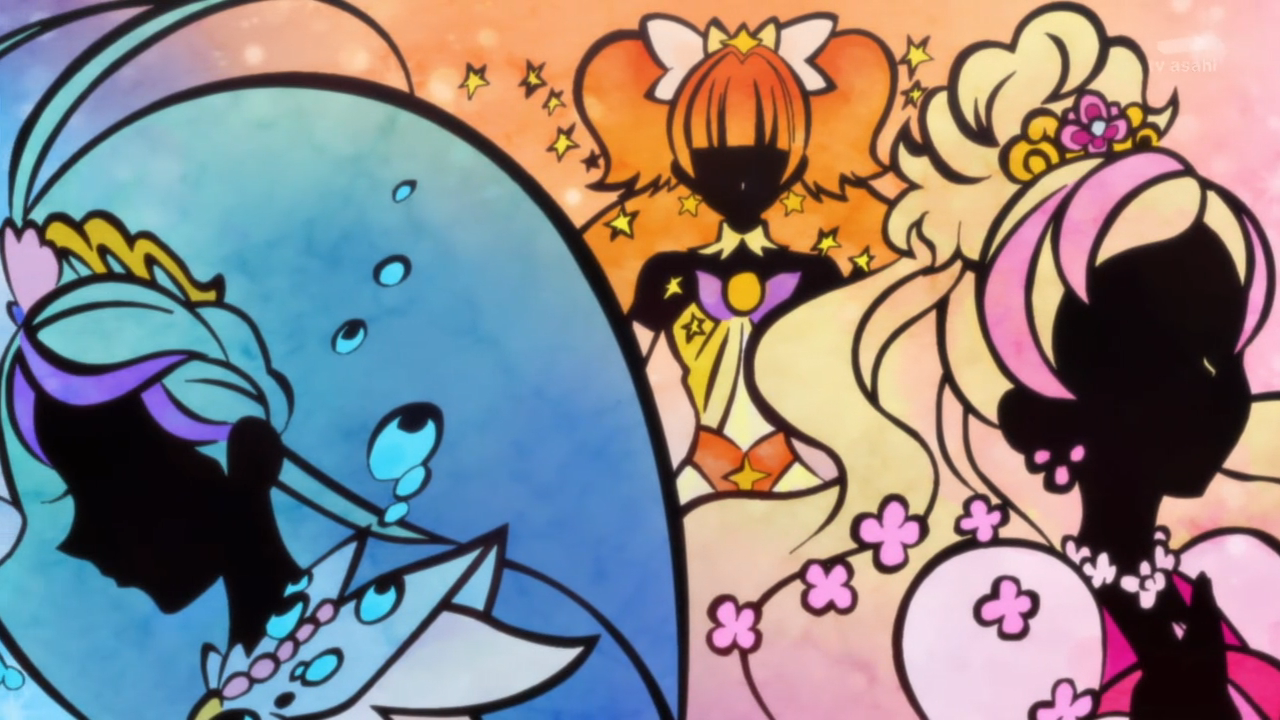
Have faith in your dreams and someday
Your rainbow will come smiling through
No matter how your heart is grieving
If you keep on believing
The dream that you wish will come true
Since time immemorial, the notion of a princess has been equated to the socialization of girlhood personified; sowing the seeds of self-hood at a malleable age, inviting children to construct their own tapestry forged from halcyon whimsies of yore. Halloween costumes stitched from gaudy material destined to chafe, belting out the most uproarious of Disney sing-a-longs with gusto, stacks of well-thumbed tomes threatening to topple over. Shimmering crowns adorned in the glitziest of precious stones, flags rising from the turrets of sugary sweet castles, horses dashing through lands of our own imagining. Sugar, spice, and everything nice.
Despite the princess’ ubiquitous presence however, it proves to be an archetypal model which inevitably leads to the internalization of gendered essentialism, implicitly transmitting coded notions of what a girl ought to be and how they ought to behave; increasingly evocative of instructional mores of the day for young maidens to emulate such as mercy and selflessness. Demure restraint emphasized above all, suggested via the chaste rendering of unreservedly psychosexual folktales told during the
sixteenth century Ishikida, M. Y. (2005). Zipes, J. (1983). Fairy Tales and the Art of Subversion.
. Often amounting to little more than one-dimensional messengers of virtue, relics looming menacingly within every toy aisle smothered in pink, within the enchanting realm of
Go! Princess Precure a distinctly radical transgression is facilitated, in which young ladies assert ownership of their own desires as opposed to becoming inextricably entangled in a system which calls for their inevitable demise.
According to the series’ bolstering mantra, a princess’ defining qualities consist of being “strong, kind, and beautiful”. Ostensibly adding to the perpetually reverberating echo rumbling through society calling for subjugation of the feminine, as was the case with its epoch-defining peer
Hugtto! Pretty Cure,
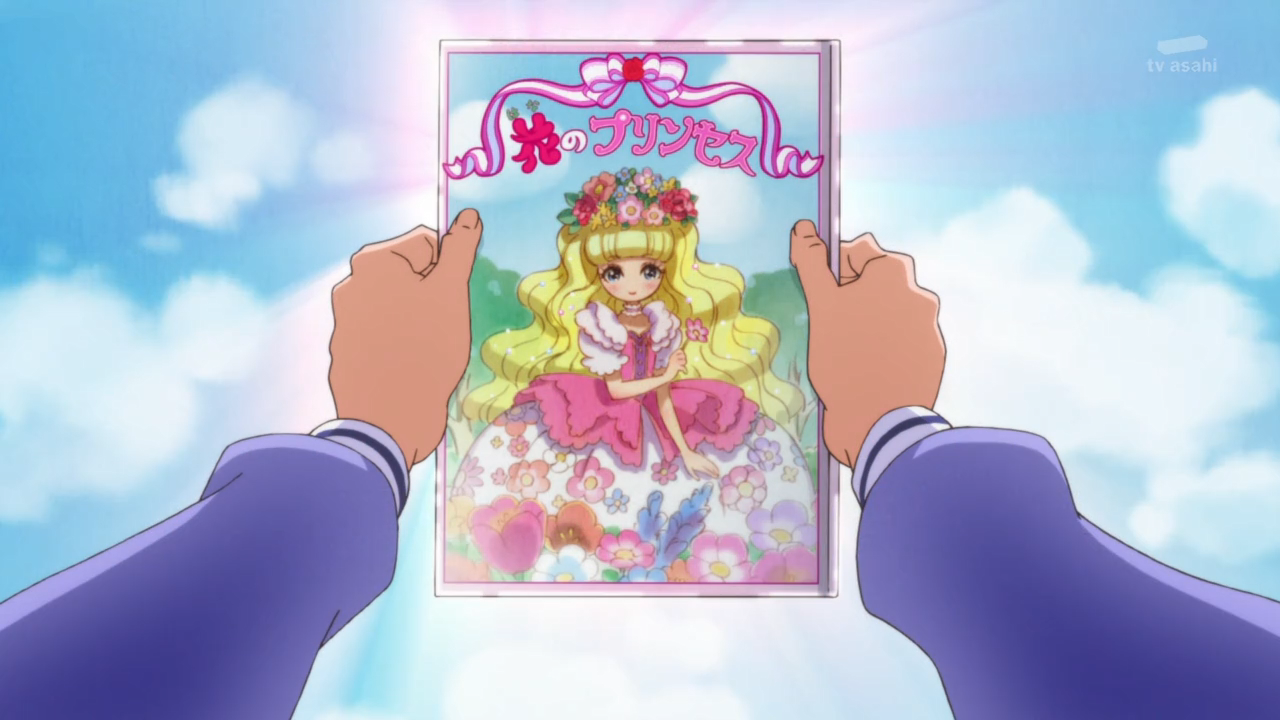
GoPri provides myriad diverse interpretations of what that means on a more personal level so as to inspire both its cast and younger viewers. A dream blossoming deep within the lofty fields of protagonist Haru’s heart, worn tome clutched tight and tighter still, she wishes to someday become the Princess of Flowers. A storybook heroine subjected to critical acclaim due to her altruistic actions, to Haru she is everything that a princess ought to be.
With a cascade of fairytale curls and all matter of girlish whimsies embellishing the book’s cover it would perhaps be relatively effortless to presume it was similarly written in mind with educational mores, however its creator facilitates a compellingly liminal space for youths whose dreams flourish beyond its pastel margins. Purposefully leaving
The Princess of Flowers open-ended reflects Haru’s propensity in striving towards her own lofty aspirations. As an everygirl she endeavours to achieve in all matter of foppery and whim despite the odds being conspicuously stacked against her. Pressing bow against taut violin string in hopes of performing an étude results in those present recoiling in terror, yet goes on to eventually perfect the piece. Determined to fashion a dress from scratch begins with jagged stitches on a sewing machine, ultimately entering a ball wearing her creation earning appreciative comments all round.
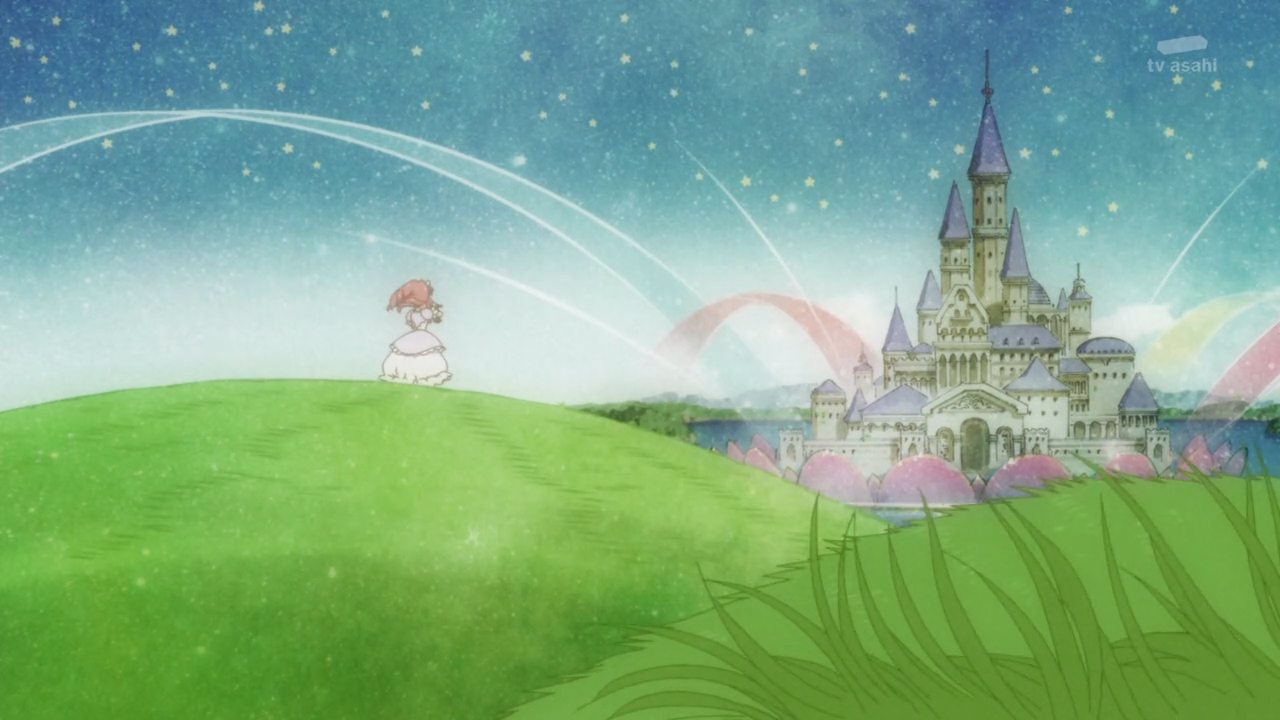
While an optimistic reclamation appears to ensue with Haru, looking beyond a rigid hegemony towards an iridescent future shimmering with possibility, a foil appears in the form of Twilight – heiress to the Kingdom of Darkness. Twilight’s perception of what a princess ought to be is steeped in gloomy grandeur, all midnight halls where stars fight to be seen; shadows accompanying every violin note so plaintively bowed. Although a number of folktales were essentially transfigured into instructional vehicles guiding the privileged aristocracy on aspects such as behaviour and appearance, their initial forms materialized out of the need to assuage the anxieties of the working class; hinting at a latent salvation.
Rarely a smile gracing Twilight’s chilly features, prone to disparaging Haru’s uncouth efforts lacking in refinement the princess is firmly positioned as innately classist with the gap widening through every meeting. The notion of dreaming itself scorned, Haru’s hope perceived as a frivolity with the hegemonic structures of old bound to reign victorious. Her name itself suggestive, Twilight’s own existence plunges the level of freedom facilitated by Mochizuki’s tireless endeavours into a realm where only the chosen can ever hope to achieve, a radiant dawn fading along with the stars.
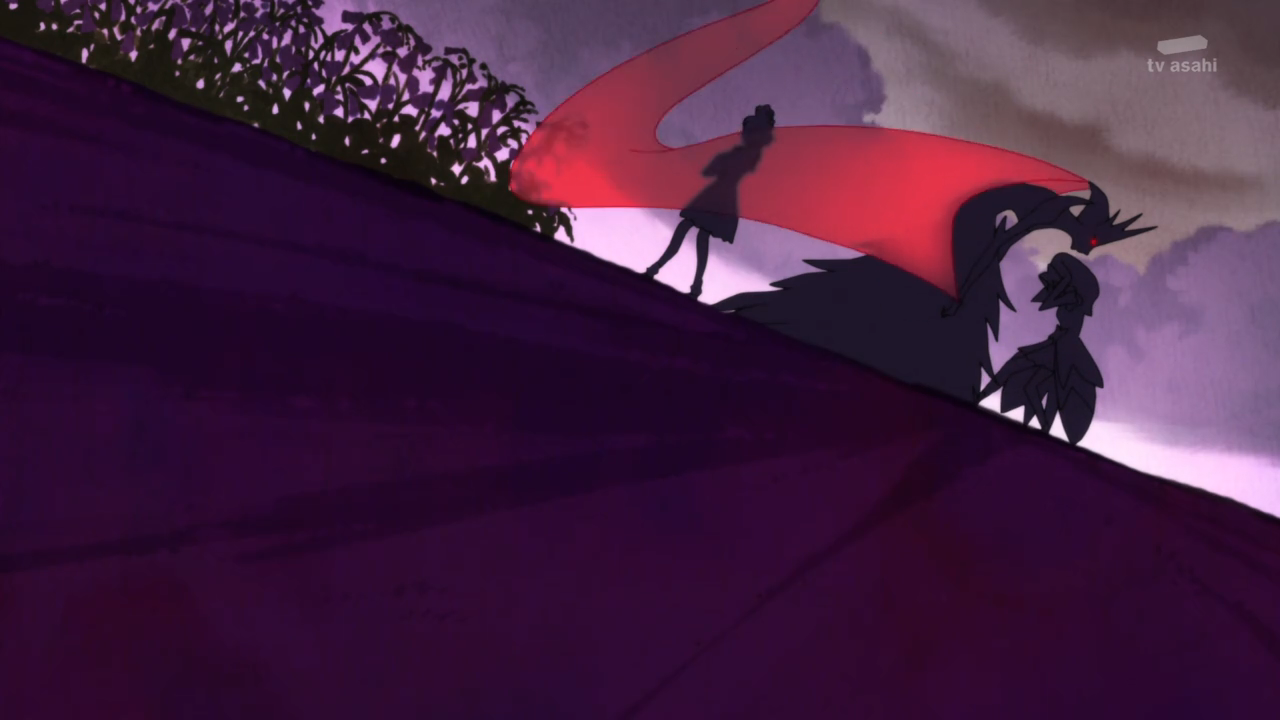
Twilight’s real name is eventually revealed to be Towa, and her identity likewise is not the icy matriarch extinguishing flickers of hope, but the long-lost sibling of Kanata – The Kingdom of Hope’s boldest and brightest. Having succumbed to the seductive thrum of despair, meeting the oppressively rigid confines of all that was expected of her as a princess proved to be overwhelming. In order to embody the standards enforced by an antiquated model calling for one to sacrifice their own sense of self, Towa relinquishes her own humanity; becoming more myth than man. It is the hope that ‘Twilight’ once despised which ultimately proves to be salvation for the girl known as ‘Towa’; black lace dominating the screen’s edges signifying that the Pretty Cure warriors have encountered a foe fading away to a most dazzling white.
Towa is just like them, a girl who longs to do better. A girl who dreams. The sequence in which Haru and Towa initially come into contact is reversed as further evidence that the tides have shifted, no longer swathed in darkness to represent a world quietly moving towards its end, a world where those have little choice but to lapse into stagnancy. Once they meet again in the same location, it is heralded by a brilliant dawn with radiant blue skies, flowers blooming profusely. As long as those harbour hope within their heart, archaic structures can and will someday be dismantled.
return