Dispelling the Heat Haze:
Ashita no Nadja and A Prince’s Shadow
Once upon a time there was a chivalrous knight, of lithe limb and dazzling smile, virtue incarnate. Cutting a remarkably gallant figure, Francis Harcourt emerges from the well-thumbed pages of a storybook, resolved to liberate Nadja Applefield from her imminent doom. Throughout Ashita no Nadja fond and fonder still of the prince sealed deep within girlish reveries Nadja grows, until he eventually assumes a role where he perhaps, becomes more myth than man. Deep within the halcyon throes of an arresting midsummer episode however, the pages are sent flying off into the aether as reality takes hold.
A sweltering Granadan heat settles during #26, which results in a lone Nadja thrust into the midst of an illusory realm where devastatingly fraught yearnings are made manifest; every bit Alice tentatively wandering through her own wonderland. A bird’s wail orchestrating her descent takes on a markedly dreamlike quality, resounding through vacant cobbled streets where the lack of a bustling throng further lends to the surreality. Suggesting that maybe, just maybe – her wishes will come true. As if responding in kind, longing palpable with each step taken deeper into the shade, the valiant figure of her imagining looms.
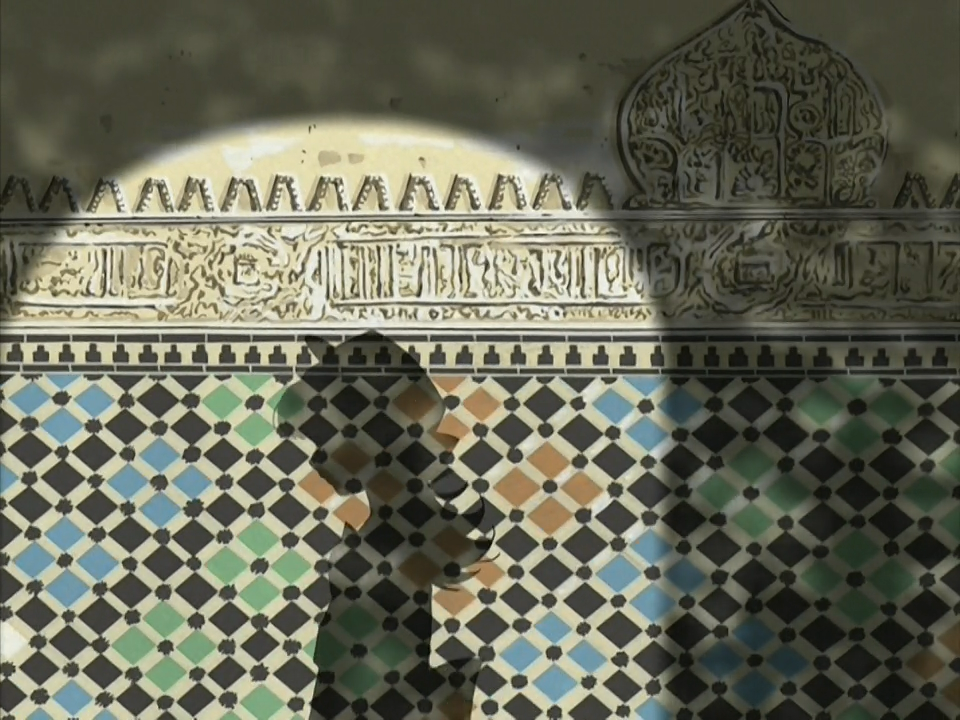
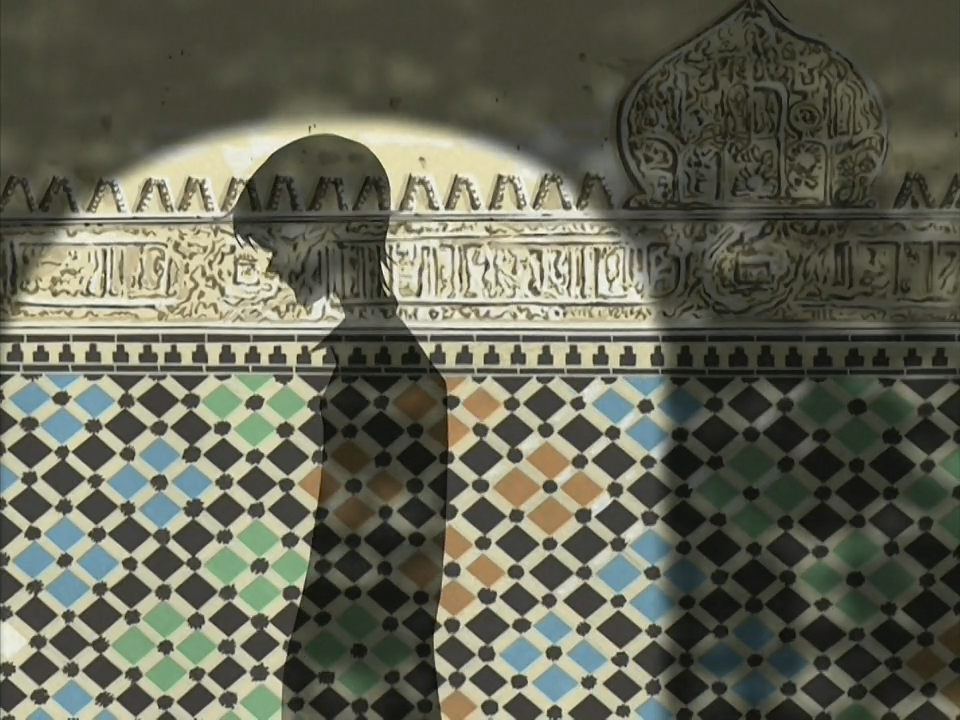
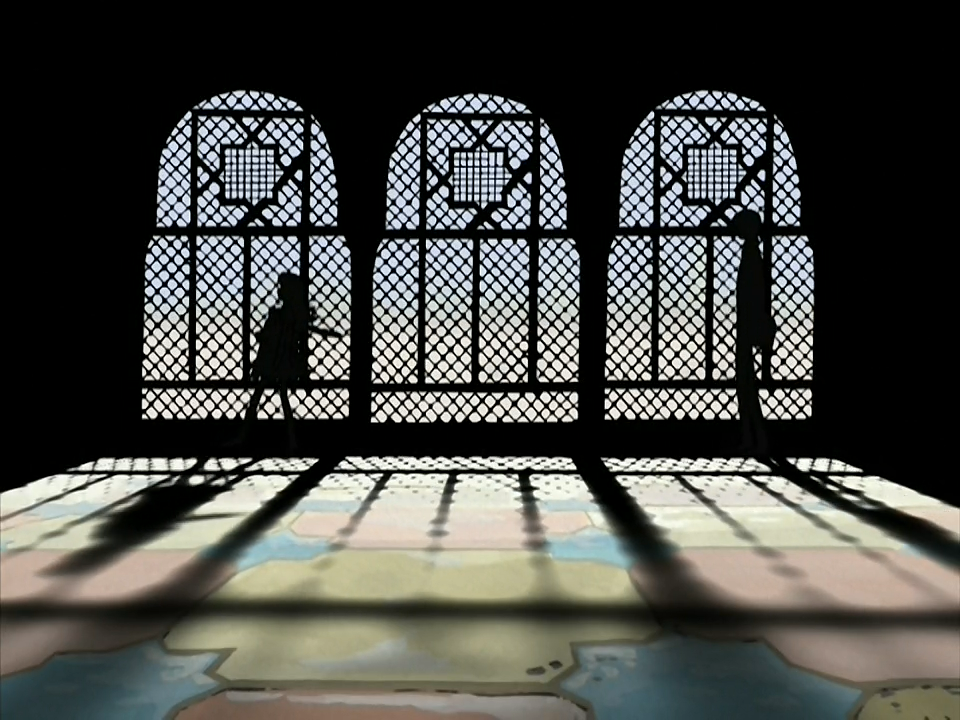
And yet something is out of joint, the sense that something is amiss with a deluge of rose petals absent, glittering swathe of stars dulled as ‘Francis’ appears face obscured, shadow first hinting at a latent duality. The suggestion that the dream could very well be a nightmare. Not content to be awoken just yet however, Nadja obliviously defaults to gushings of fate and fortune and “Francis… No, my starry-eyed knight!”s; staunchly adhering to a traditionalist playbook at the expense of all that stands in her way.
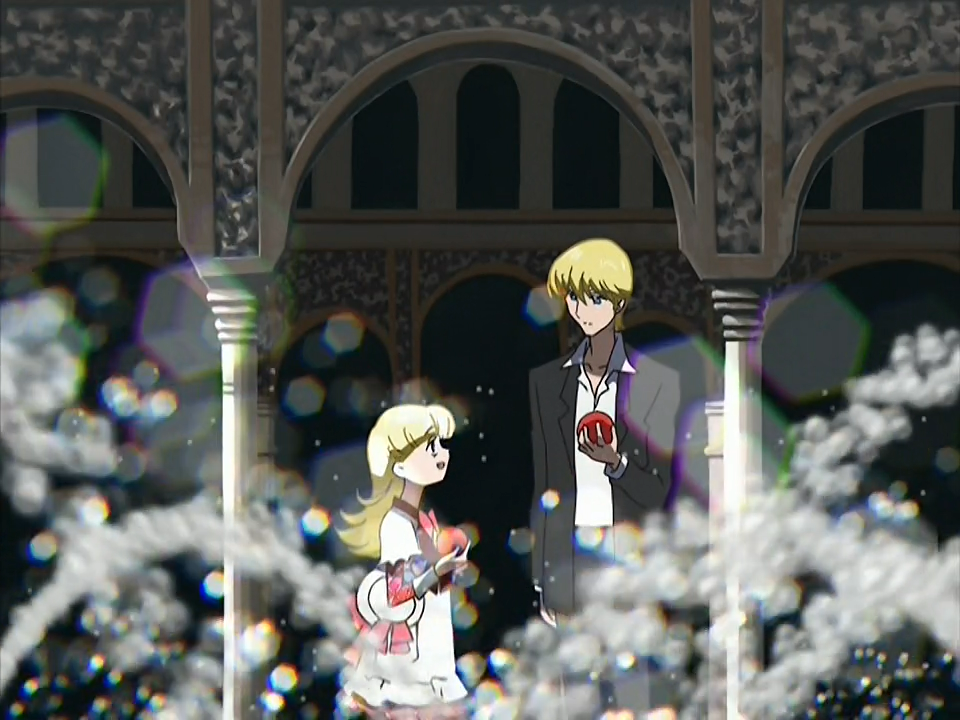
Within this jaunt through the subconscious courtesy of auteur par excellence Hosoda Mamoru alongside esteemed Toei alumni Kawamura Toshie serving as animation director, the pair bring a richly intimate take on the unheimlich to fruition. Heat haze overwhelming as shadows extend in perpetuity, recalling suggestions of the Jungian Shadow and hints of the Other, identities are in flux for an episode appropriately titled “The Other Side of Francis”.
Entering The Other Side a child regaling Keith with all matter of individual affectations in an achingly intimate show of adoration, heart fastened tight and tighter still to sleeve, Nadja’s skittishness is palpable. Overwhelming, doing all she can to focus on everything and nothing, not quite ready to acknowledge this gnawing subconscious. With all the fervent desperation of a dream nearing its end, Nadja rambles as Keith settles for practiced evasion, dissonance swelling through every restless flurry of keys.
Throughout this sojourn the picturesque architecture of Granada dwarfs the pair at any given opportunity, further emphasizing the unreal as they trapeze through a world where sound struggles to be, attractions conspicuously void of anyone else. In the here and now, no one else matters. It’s a world for them, and them alone.
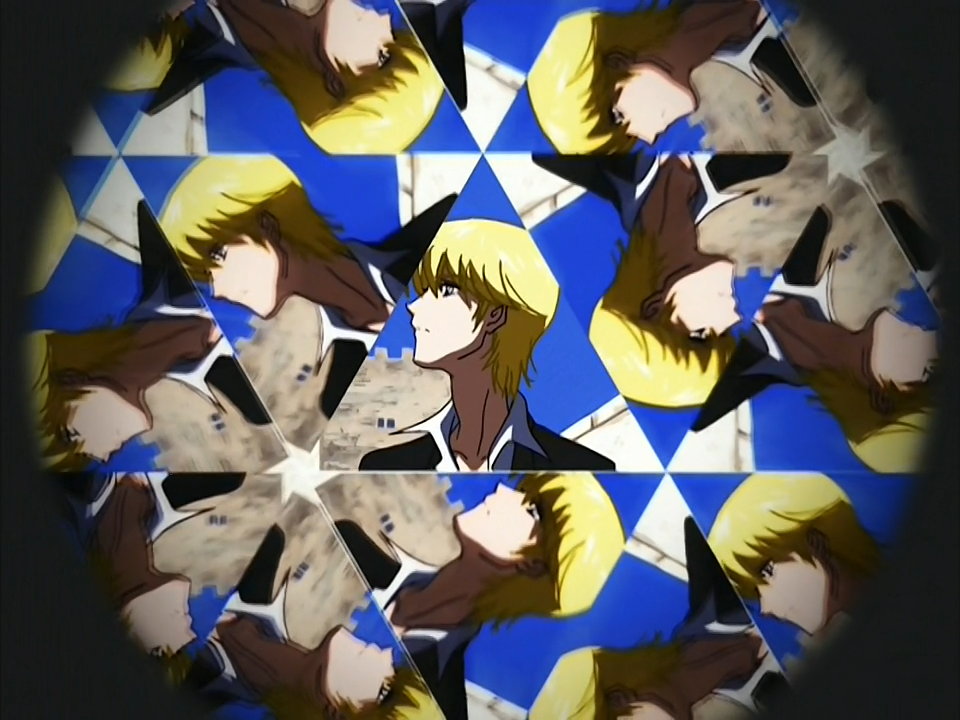
Every action of Keith’s proves to be refreshing, yet another moment to be chronicled deep within the beating confines of Nadja’s heart. A tomato soaring leisurely through the air, halcyon reveries of yore merging with the present; a sweeping ‘Waltz 5’, a new discovery. Which weather he prefers, which time of year. A kaleidoscope unearthed, this glistening world unseen responding in tandem to her emotions. Prismatic lighting as she falls deeper with every elevated note, swaying to ‘Clair de Lune’ across the sweeping grounds of Alhambra. She loves him, she loves him, she loves him.
Throughout Ashita no Nadja the figure Nadja is so profoundly enamoured with appears to be inherently dichotomous, continuously struggling to reconcile the two with each meeting: white for mild-mannered aristocrat, black for arrogant rogue at large. It is during #26 where Francis’ idealized construct built high upon a pedestal irrevocably crumbles upon Nadja realizing that he and Keith are two distinct individuals, each with their own hopes and dreams.
The wreckage facilitates a comparatively more ruminative person resistant to naïve follies, spurning fate and its disingenuous allusions going forward, casting aside idyllic notions of chance meetings. An ominous flap of Dezakian wings casts uncertainty once the Harcourt matriarch is mentioned, leading Nadja to tentatively comment on the discrepancies between the Francis of today and yesterday, to wonder why he’s so different whenever they meet, to ask why it agonizes her so.


Imagery of the uncanny emphasizes the Harcourt duality throughout, with a cherished memento of their mother suggesting multiple modes of self as myriad Keiths are mirrored within the depths of a pensive phantasmagoria; subliminal disintegration with each twist of the kaleidoscope, roles distorting as Nadja sees him for who he truly is. Keith suggestively introduced via shadows further echoes the surreality, plumbing the repressive nadirs of the self as ‘Francis’ in all his lofty fairy-tale splendour is called into question; a mockery, a ghost of a thing with Keith having saved Nadja all those months ago.
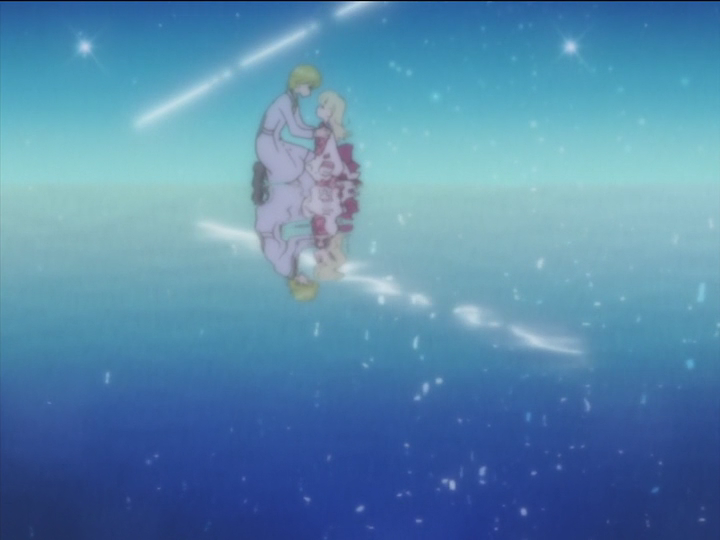
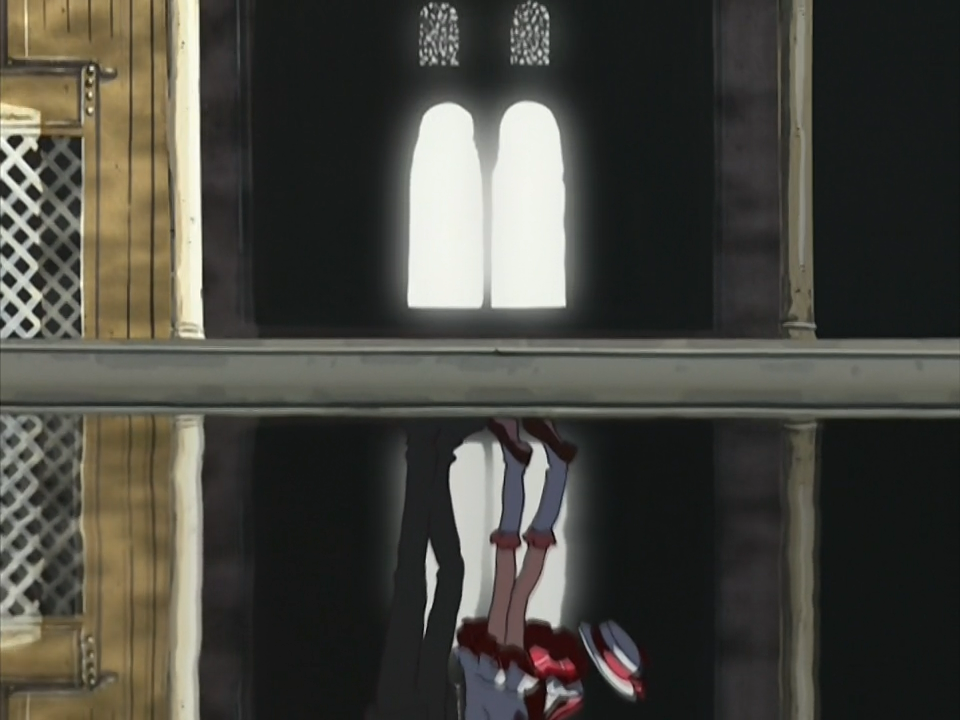
All dreams must come to an end, and Nadja’s own devastatingly intimate sojourn into the innermost recesses of her heart fades away with a kiss shared, murmurs of “I love who you are today, more than ever”, heat haze dispelled along with the twilight. Despite not yet being consciously aware of the innate distinction between the Harcourt siblings, her and Keith’s forms are reflected in the pool’s underside but not overhead. Such a visual choice is striking in all that it seems to suggest, Nadja having fallen for the Other/the Shadow. Someone real, not an infallible concept designed to assuage within girlish reveries.
Beyond the illusory dreamscape, Nadja solemnly reflects on her emotions as a changed person, Keith slipping away into the darkness with her at last catching sight of the real Francis. Left to resolve tempestuous emotions beating up a storm within the depths of her heart, she presses on only just beginning to understand who the Harcourt siblings are. As people, not abstract ideas.