Summer’s lease hath all too short a date:
The Sonnet of Ichinomiya Fukiko
Thou art more lovely and more temperate:
Rough winds do shake the darling buds of May,
And summer’s lease hath all too short a date
Within Onii-sama e…’s fraught exploration of adolescent anxieties and the societal structures which bind, the elegant matriarch of Seiran Academy’s exclusive Sorority would be considered something an enigma where the student body is concerned. It isn’t too difficult to see why a figure such as Ichinomiya Fukiko would be considered the subject of every student’s adoration, however, all long skirts swishing with a gracefulness beyond her years, daintily arranging floral arrangements, golden curls whipping in the breeze. Despite the awe which follows, she nevertheless harbours a grave secret sealed deep within the confines of her heart…
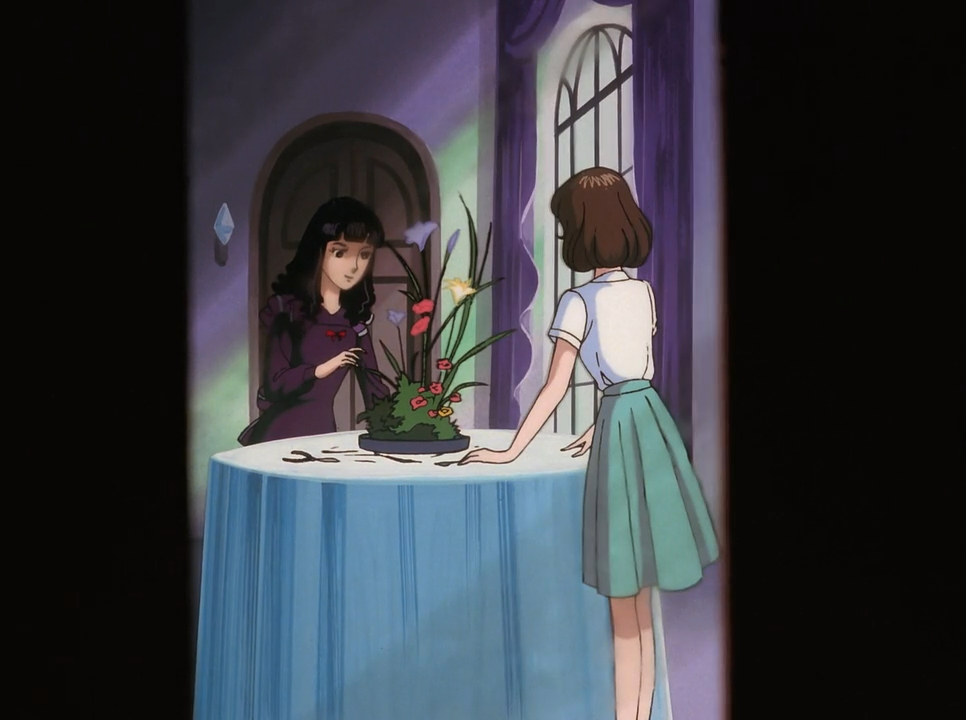
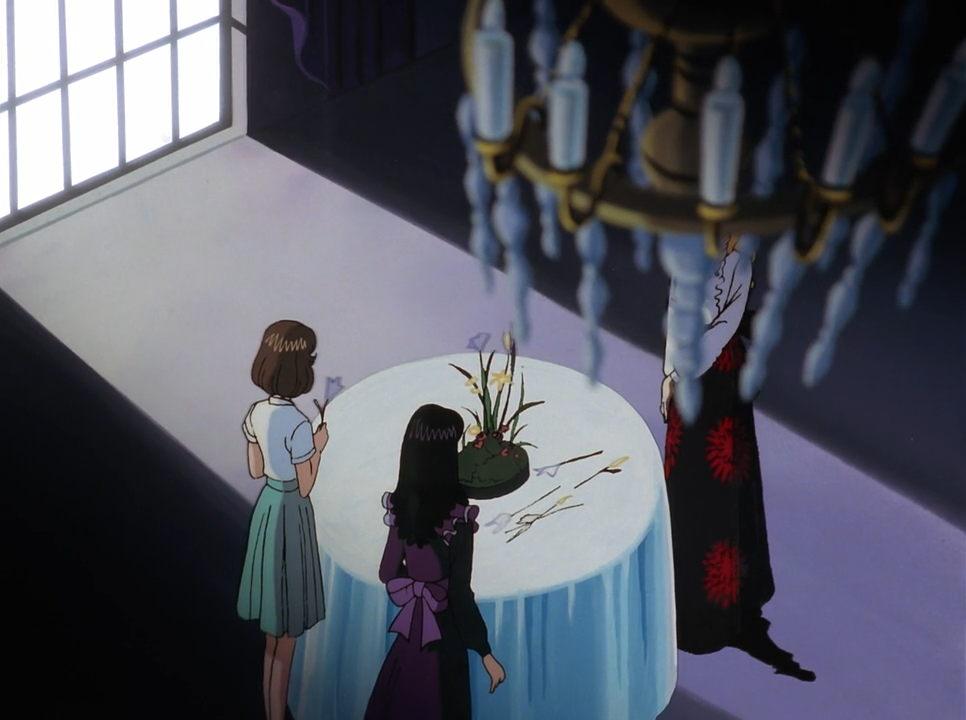
With every pleasant word exchanged, every careful step designed with breaching emotional security, Fukiko orchestrates her grand plot with a finesse befitting of the Sorority’s pillar. As a means of emotionally distancing the viewer, heightening the ambiguity suffusing the actions of such a malevolent figure, the cinematography rather strikingly obscures her facial expressions throughout the episode. Once Fukiko reaches Nanako and Mariko she is engulfed in duplicitous shadows as a chandelier suggestively conceals her face entirely. Delicate framing draws attention to the underlying moral struggle taking place with the brilliant white threatening to be consumed by an encroaching darkness.
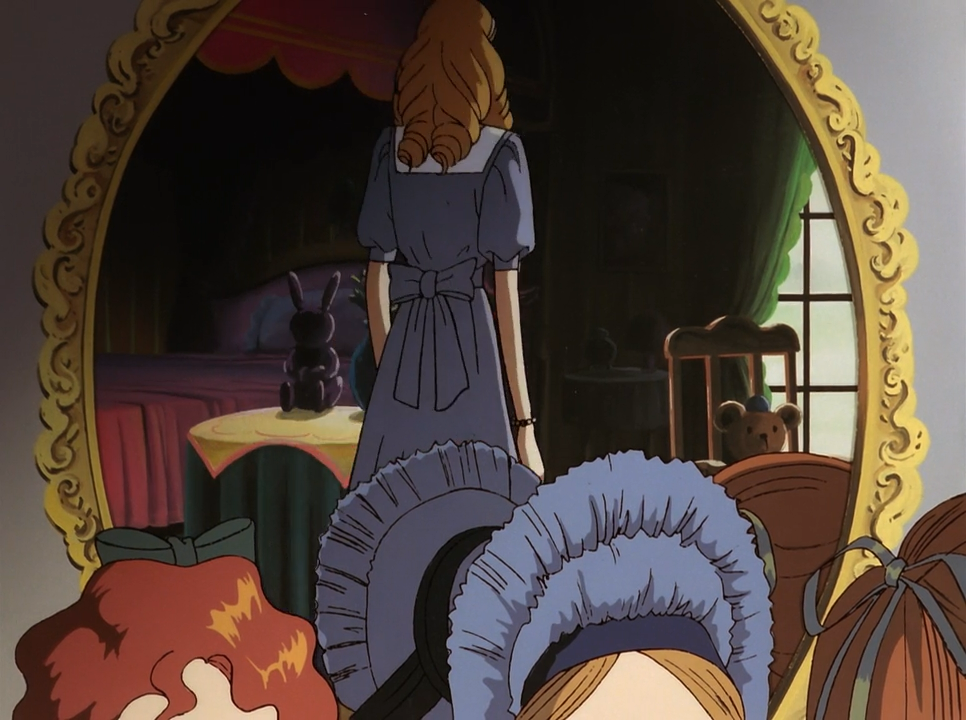
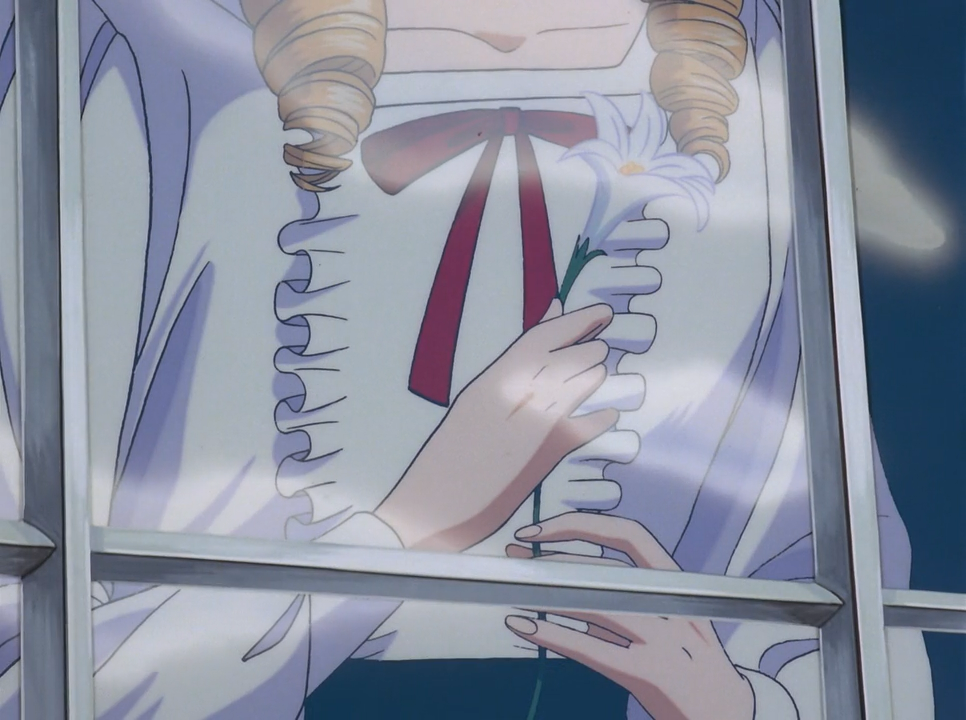
Fukiko’s goals hidden in the shade, she extends an invitation to her villa under the guise of preparing for an upcoming birthday celebration alongside several older Sorority members. In a startling change from her earlier confidence, unease surfaces via an otherwise poised character’s body language as she idly toys with a lily, the window restricting – ensnared by flights of fancies harkening back to a summer lost in the annals of time, beyond her grasp.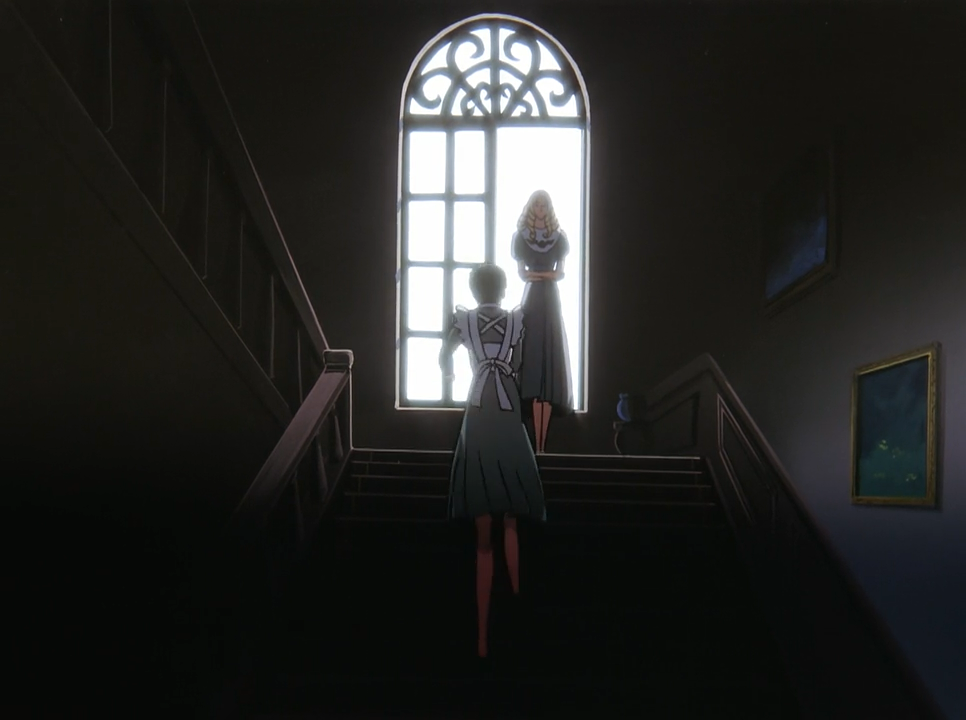
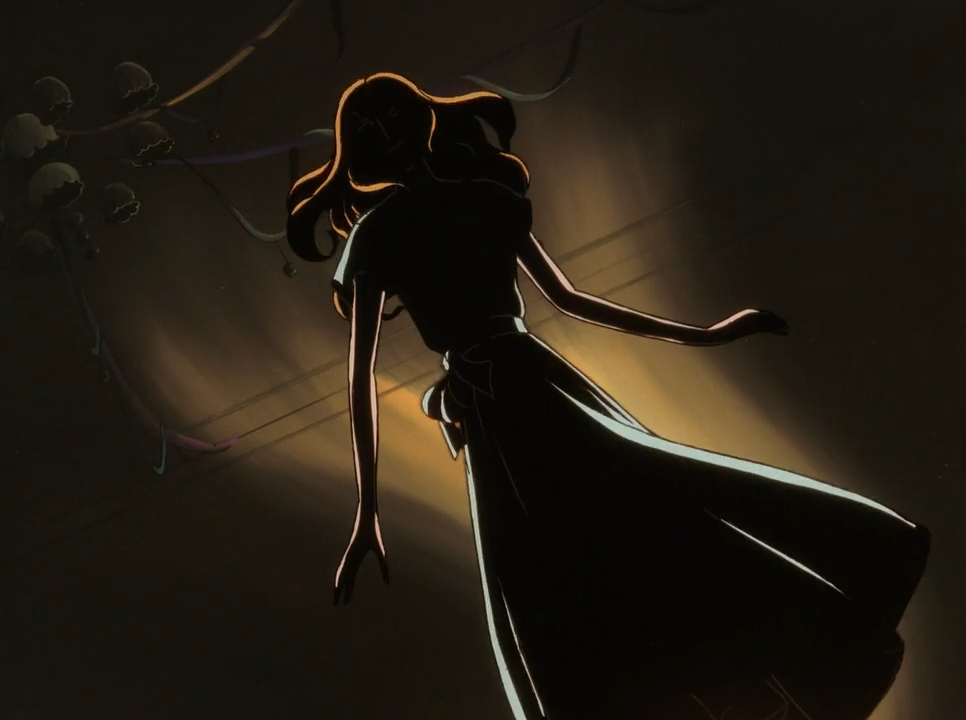
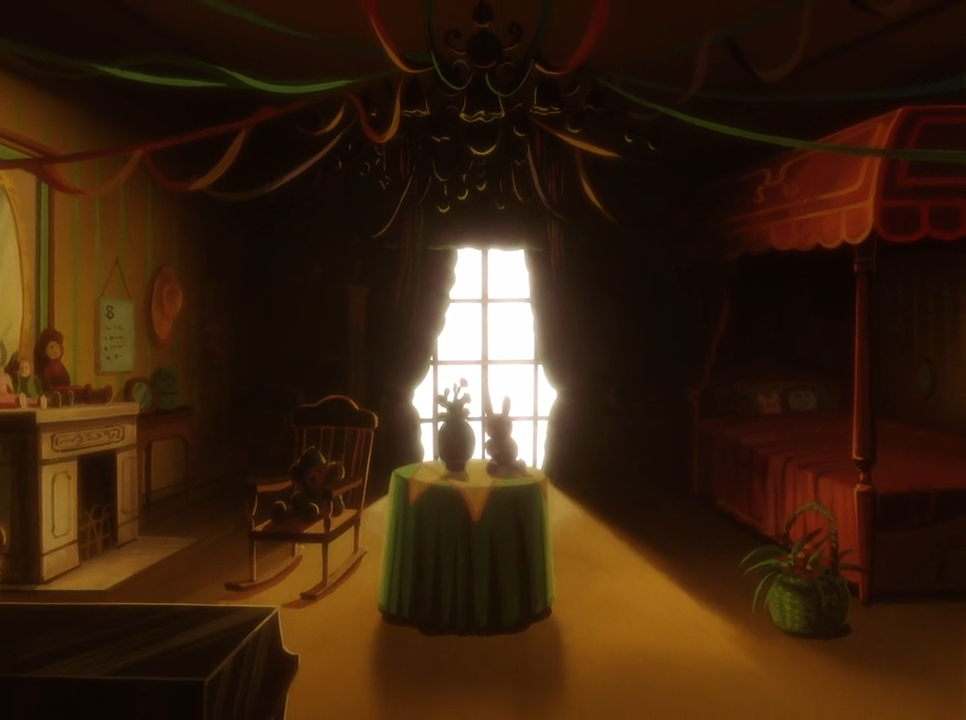
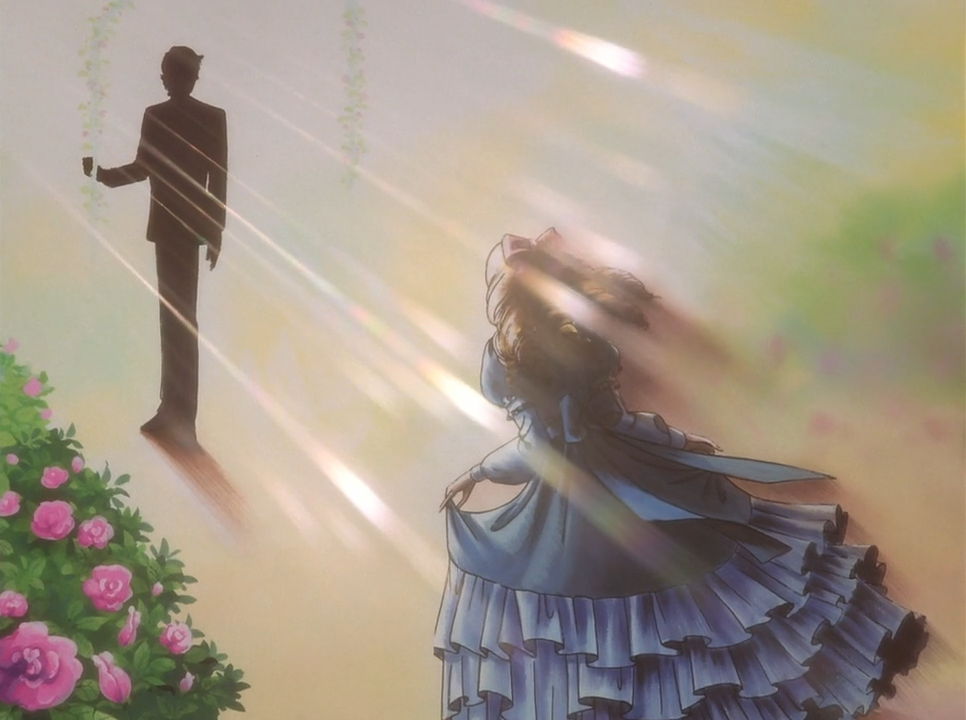
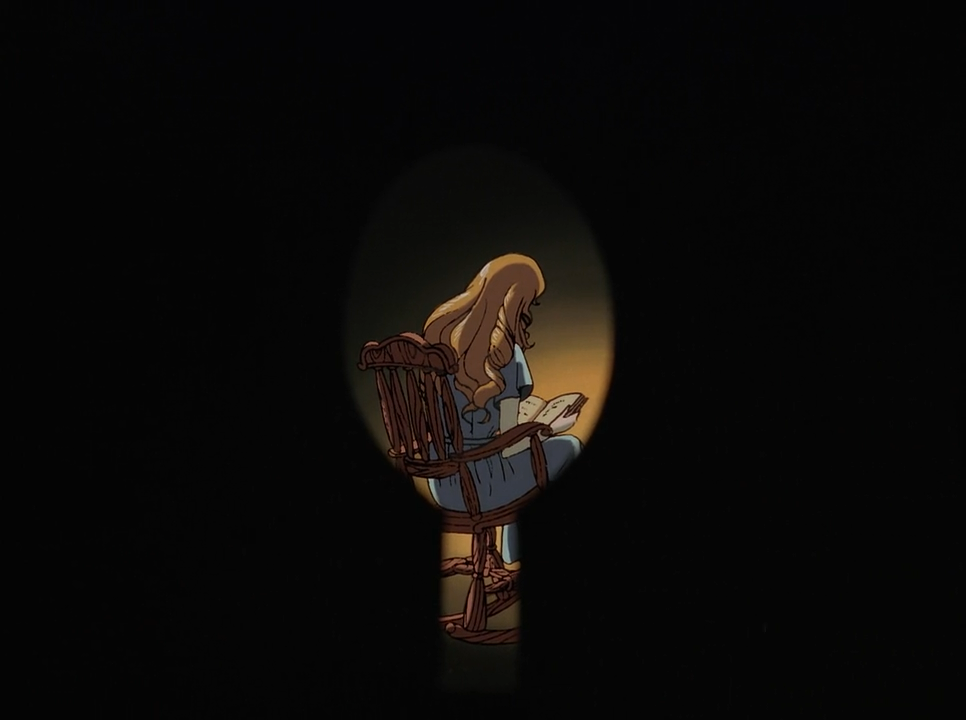
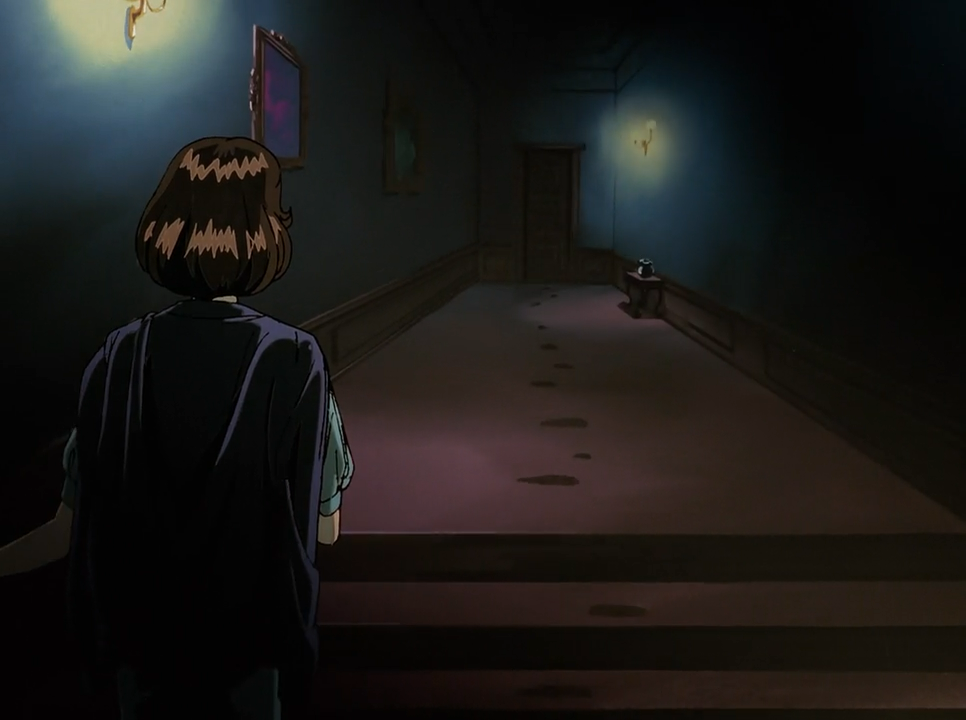
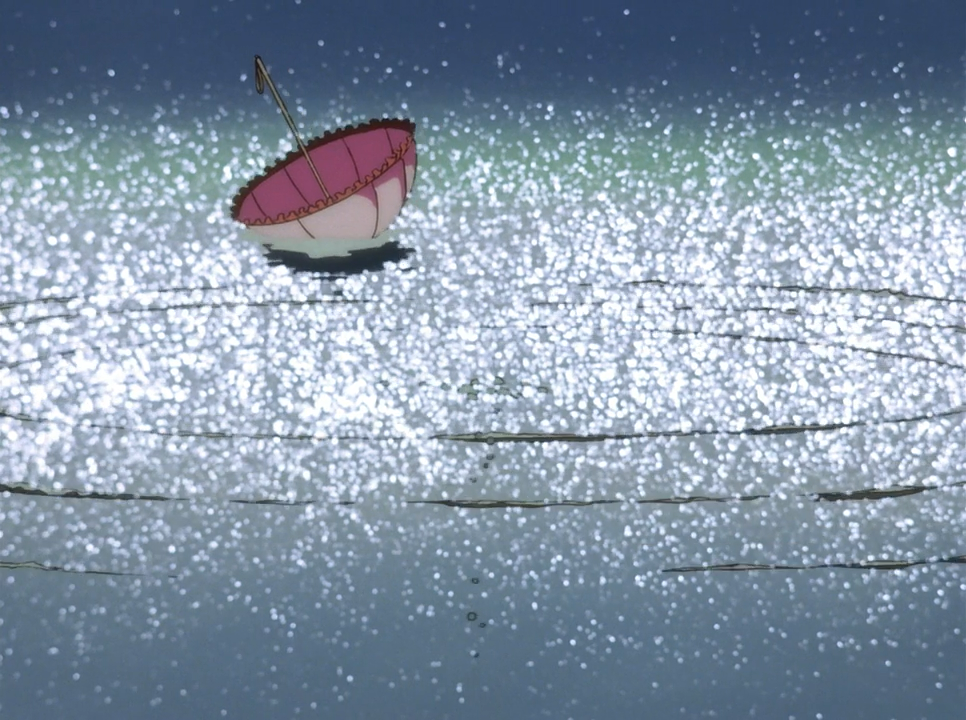
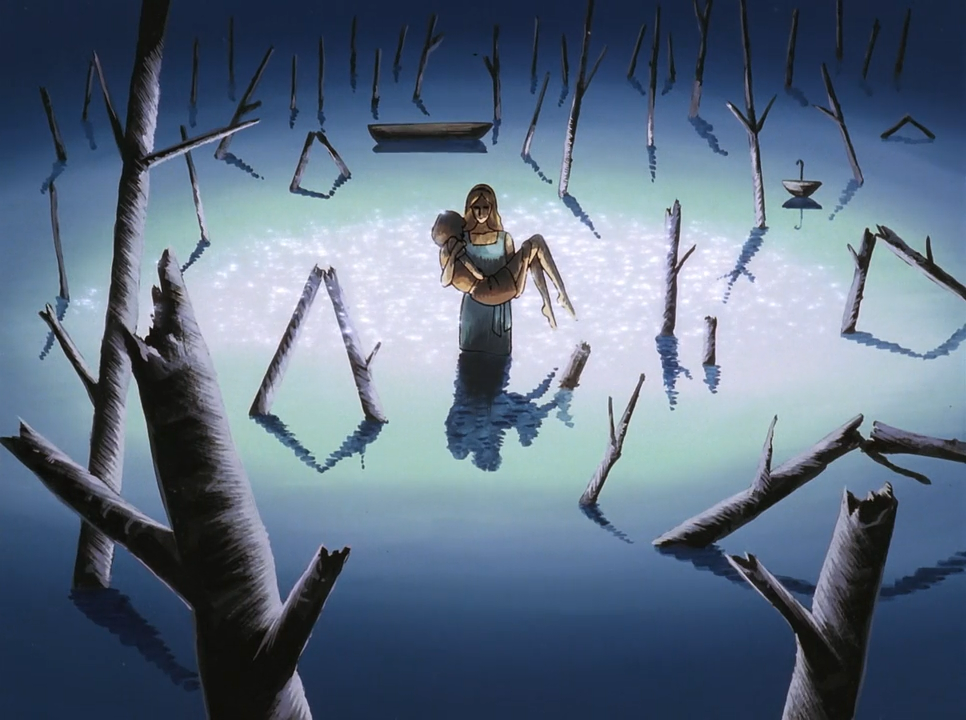
Beyond the claustrophobic confines of the villa with its oppressive reveries, Nanako and Mariko are eager to explore the wide expanse of the country’s lush greenery and shimmering lakes, its bucolic soundtrack unmistakable. Despite the momentary tranquillity however it isn’t long before the narrative once again leans into its lavish gothic horror trappings, generously supported by all the usual staples an isolated setting cut off from reality facilitates. Following a restless night’s sleep Nanako sees Fukiko swimming and ventures down to greet her, curiosity inevitable. As water glistens and crickets creak, it’s a far cry from the security of our protagonist’s home and all its comforts, inherently possessing an unknown and dangerous quality heightened by the eerie absence of a BGM. Following Fukiko’s enticing trail of liquid breadcrumbs, Nanako further implicates herself in this immensely personal unravelling as she rises to the villa’s top floor, deeper and deeper into the innermost recesses of her heart. As if stumbling upon Bluebeard’s hidden room, as if she were Jane drawing ever-closer to Bertha, Nanako traverses through darkened halls at last peering through the chamber’s keyhole, into Fukiko herself. Into a past unseen, into memories dear.
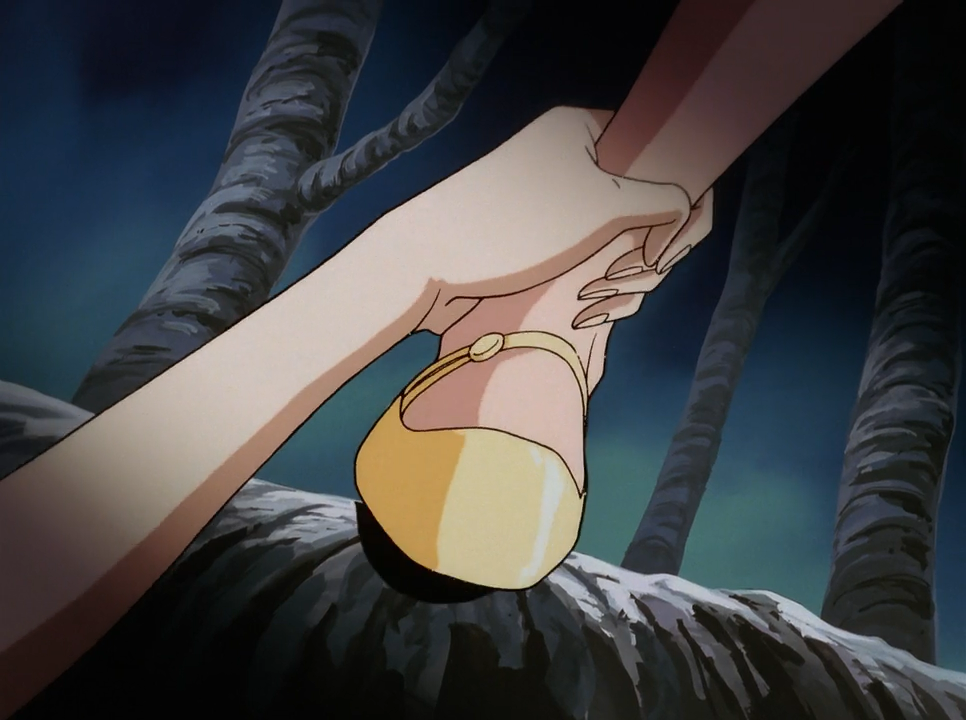
The tatters of Fukiko’s “eternal summer” are left forgotten once the episode ups its spine-chilling stakes with a potent immediacy, Nanako slipping on the stairs while escaping from a feverish Sonnet 18 rendition. As Fukiko tears through the halls in search of the culprit who dared wrench her heart open, hurried footsteps resound with purpose. When the truth dawns you can’t help but wonder, if only for a moment, whether she actually will kill her – cue a glinting knife at breakfast the following morning. With Fukiko’s gravest secret forced out into the light, she once again seeks refuge in duplicitous wiles as a means of potentially silencing the figure that has ostensibly claimed the hearts of those dearest to her. Although Fukiko appears to maintain her “sealed chamber” with an unnerving tenacity, it is essentially a tomb for the girl she once was, who dreamed of poetry and played violins, dragging the woman of the present down. Resentment searing through her veins, Henmi’s abandonment leads to vindictive modes of behaviour unleashed on those that happen to draw close to her, serving as human-shaped alters upon which emotional relief can be obtained. If Fukiko is to finally move on she must cast aside the girlish whimsies of six years ago, but is that a viable option when she’s willing to drown someone that dares infringe upon the memory’s sanctity…? After all, despite Shakespeare’s dreamy insistence no summer is eternal, and Fukiko slavishly preserving Henmi’s memory via the haunting lines of Sonnet 18 does more harm than good.