Within the melodiously bittersweet confines of
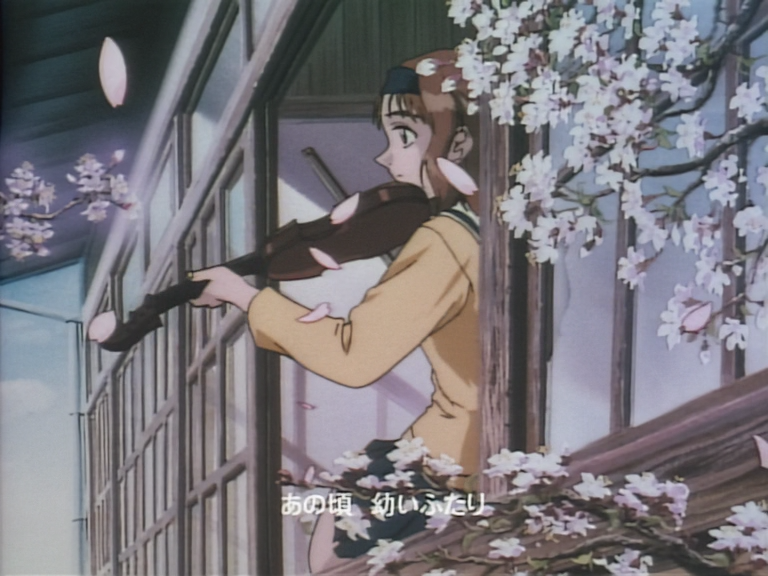
Sentimental Journey’s (1998) premiere, we are introduced to Endou Akira. An accomplished virtuoso grappling with the formidable burden of self-imposed, exceptionally lofty standards, Endou finds her life interwoven with the haunting strains of Brahms’
Violin Sonata No. 3 in D minor, Op. 108. Frustrated at languishing within the harrowing nadirs of second-best while simultaneously pining after a transfer student who has long since exited her life, Brahms’ sonata personifies Endou’s tempestuous emotions through every wildly experimental moment of this episode.
It rises to a fervent crescendo with every ripple – however slight – on the surface of her psyche. With Endou oscillating between the notion of potentially abandoning the violin and continuing what once had been such an ardent passion, the Brahms piece is a deliberate selection. Shortly after creating such a powerful work, Brahms too had briefly considered retiring.
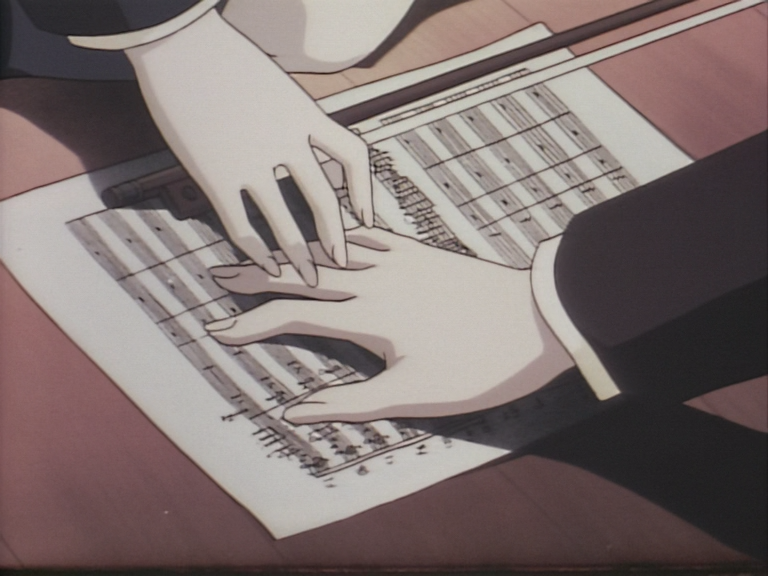
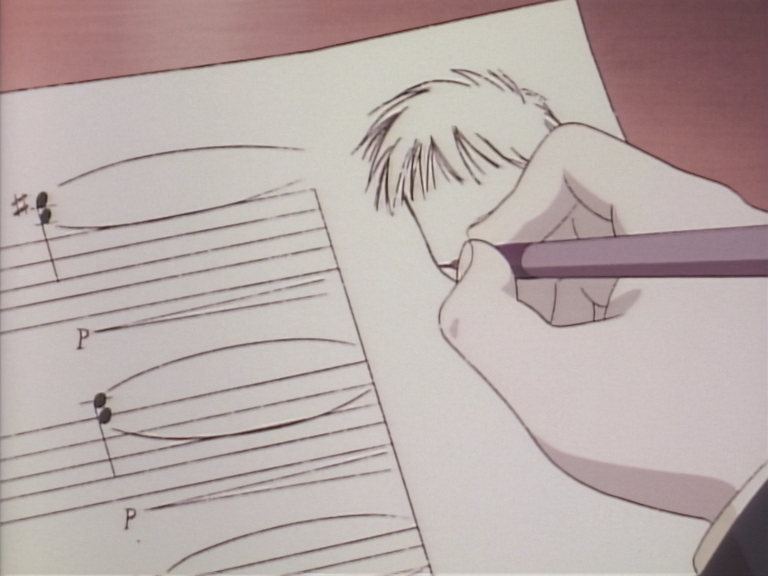
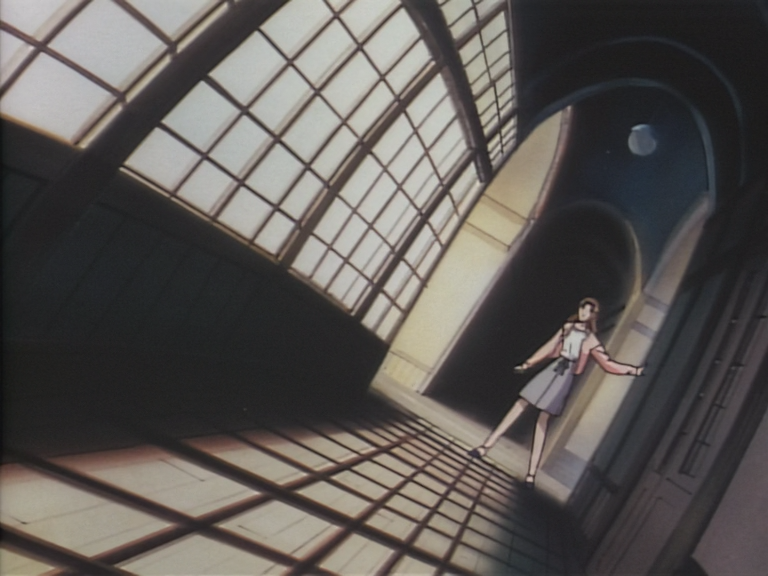
Augmenting the depth and multifaceted nature of Endou’s artistic journey towards fulfilment, past encounters are beautifully represented through a collection of montages and silent film vignettes scored by Brahms’ piece. Despite its galge roots with
Sentimental Journey’s existence serving as an epilogue of sorts for Sega Saturn behemoth
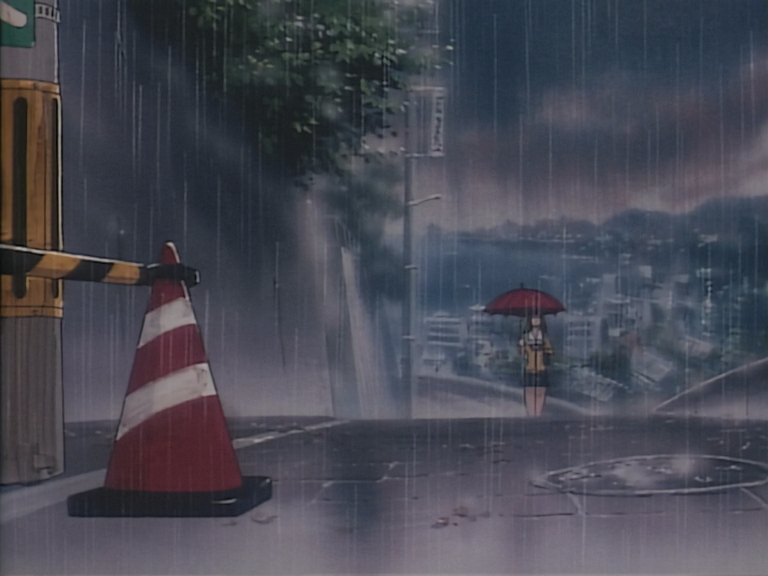
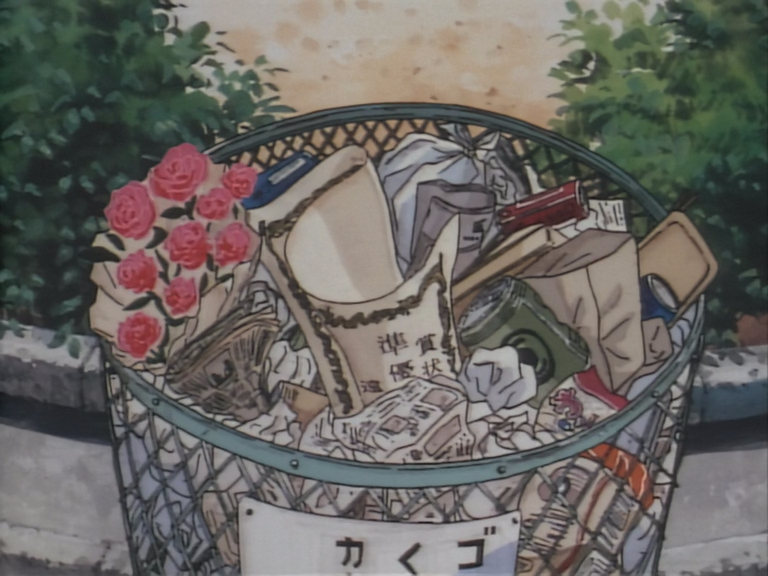
Sentimental Graffiti (1998), as an anime the staging is remarkable with an awe-inducing level of craftsmanship applied to its fashioning. It notably features
Big O alumni Katayama Kazuyoshi in his first series composition role.
It would have been a considerably straightforward narrative decision to cast the protagonist of
Sentimental Journey as a gormless milquetoast serving as a thinly veiled audience surrogate. Viewers would have been encouraged to parse the women as ventures to be conquered, with a collective sense of agency being stripped away through systematic pursuit. By design it involves a methodical quest towards attaining one-sided courtship, ensuring that correct dialogue options are carefully selected.
This will no doubt result in a cloying confession being the glittering prize that sweaty palms and salivating mouths stumble towards. Standing in stark contrast to the miserable parade of galge adaptations which dotted the ‘00s and leaned wholly into this, however,
Sentimental Journey firmly anchors itself from the perspective of twelve distinct young women navigating their own deeply subjective and bittersweet forays into the realm of first love.
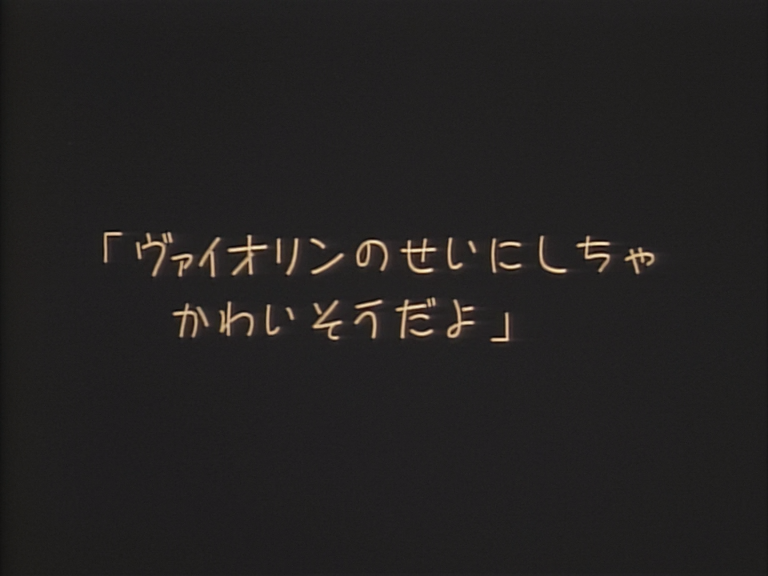
Occupying the role of distant spectators, the audience is by no means encouraged to engage in this uneven and oftentimes destructive pursuit. We instead find ourselves witnessing enigmatic silhouettes, a suggestion of form, the spectral remnants of a presence haunting Endou’s memories. Critical points of dialogue are conveyed through intertitles thoughtfully provided to add context, yet as the premiere draws to a close we are left with a critical fact which feels as subversive now as it no doubt did in 1998: the transfer student who ignited the flames within Endou’s heart remains a mystery.
He is without a face, without a voice – void of anything meaningful, except that he does mean something to Endou and Endou alone. In contrast to fixating on a surrogate’s hypothetical courtship of Endou, this narrative fundamentally focuses on her journey of taking up the violin once more and letting go of what the transfer student at one time meant to her.
return