Despite all matter of complex emotions inextricably woven into the fabric of eroge, I nevertheless find myself enamoured with turn-of-the-century romps which serve as oftentimes charming time capsules into otaku culture. Reflecting a frenzied consumerism-driven epoch, afficionados in plaid shirts salivating over dimly lit monitors come to mind, succumbing to the siren call of pixelated darlings in droves. In the midst of consumerist debris, Akihabara throbs with the presence of bishoujo while skewed psychoanalytic speculation regarding the collective proclivities of players run rampant.
With the release of Aquaplus’
To Heart (1997) however, came a paradigm shift through the medium transitioning from bawdy sexploitation affairs which dominated the early nineties to character-focused explorations. There was now an emphasis on relationships gently unfolding amidst a backdrop of daily life, as opposed to sexual intrigue lazily dangling from the proverbial night stand. Given its demonstrated lack of eroticized appeal,
To Heart earned a considerably warm reputation which facilitated its being swiftly adapted to all matter of mixed media – one of which includes the anime (1999).
In welcome accordance with its mellow origins, the first episode of
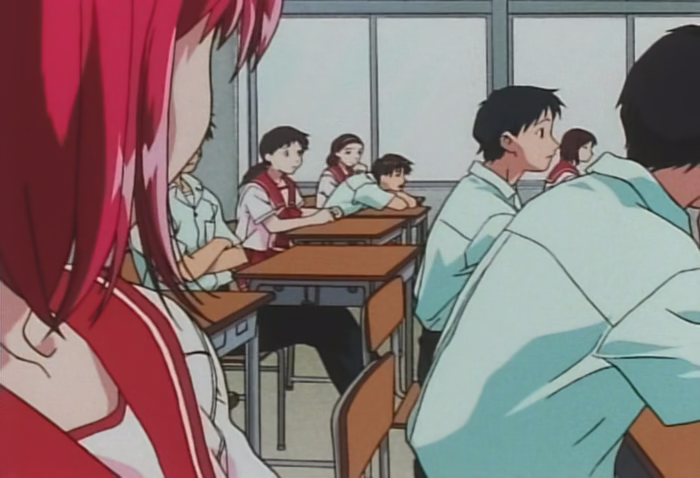
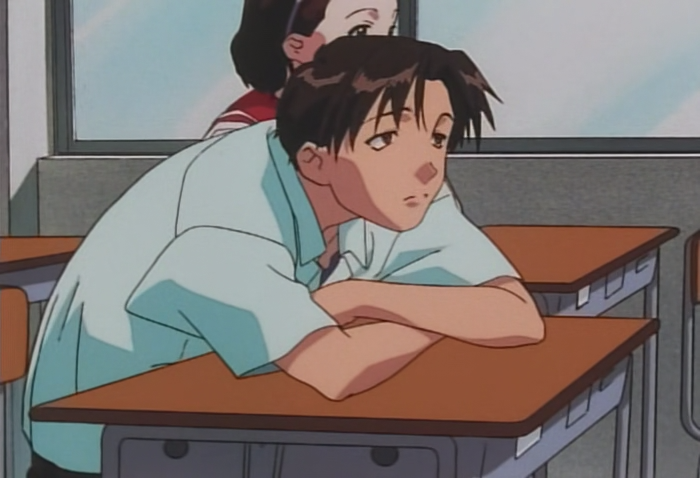
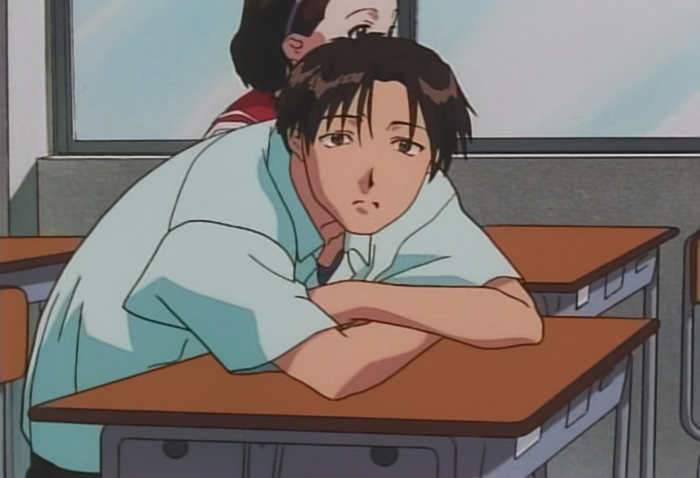
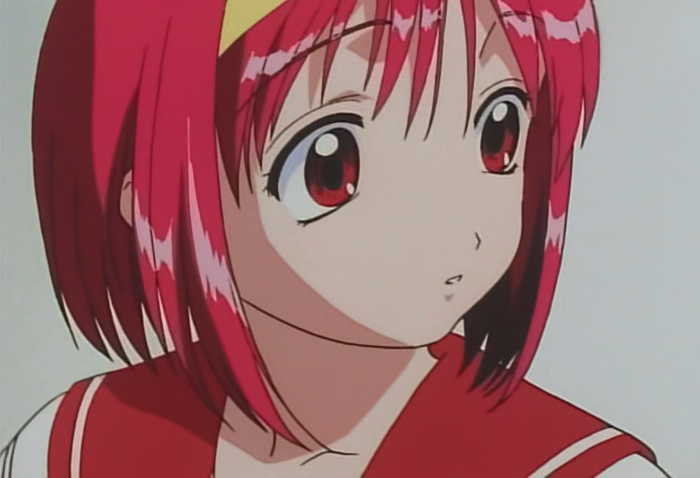
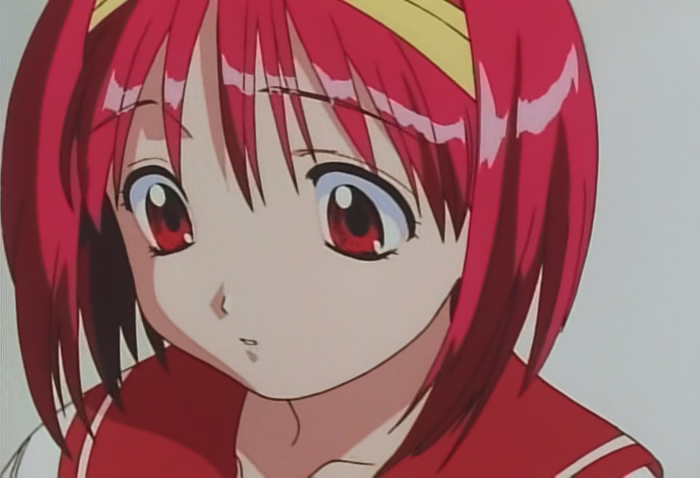
To Heart captures a distinctly confessional element through diaristic presentation gently established with Akari’s lingering gaze on Hiroyuki. Within the throes of quiet contemplation, her girlish demeanor evokes the onset of burgeoning affections in which one’s gaze subconsciously follows the movements of their beloved. Gestures, however slight, induce a racing heart and reddening cheeks. Framing continues to emphasize this remarkably tender perspective, through Hiroyuki’s sullen expression never far from our screen despite ostensibly occupying the role of protagonist.
Within the scope of the original game this would, in theory, be integral due to the predominantly heteronormative nature of the medium serving as wish fulfilment for the assumed male player, yet director Takahashi Naohito confidently presents the anatomy of Akari’s love as she experiences these nervous flutters. Such an approach is what renders a sequence in which Hiroyuki is swept up in the hustle and bustle of seating arrangements so effective, as there’s a moment – a beat for us, a heart threatening to burst out of its ribcage for Akari – where he notices this gaze for what seems like the first time –
And looks directly at the camera.
Oh my!
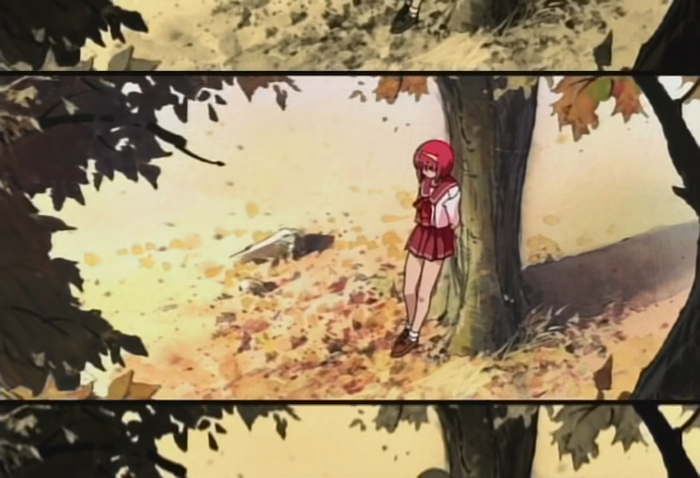
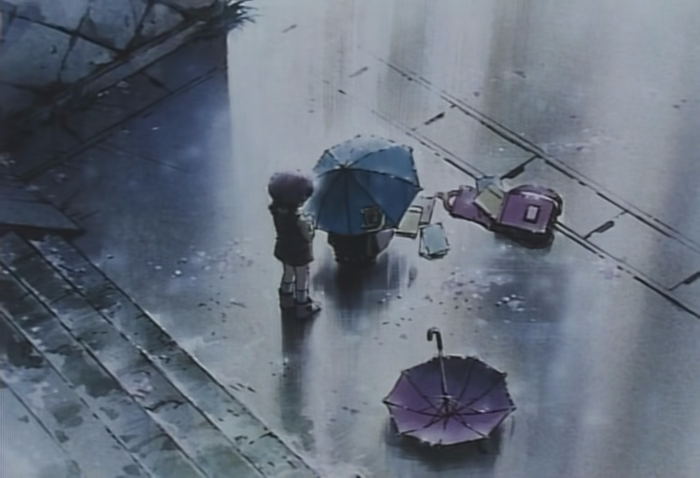
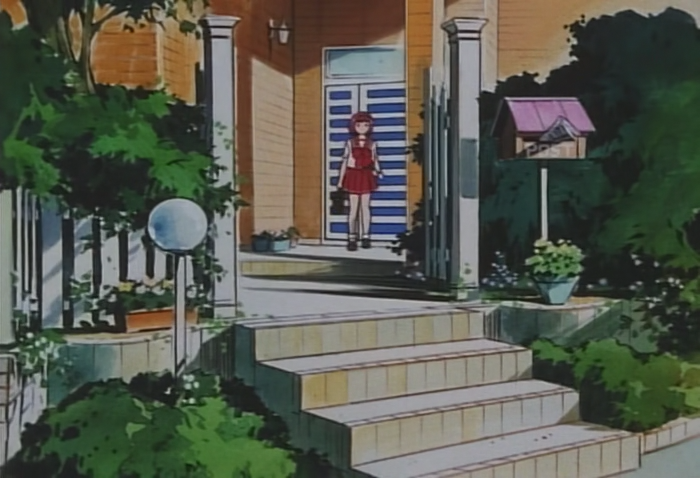
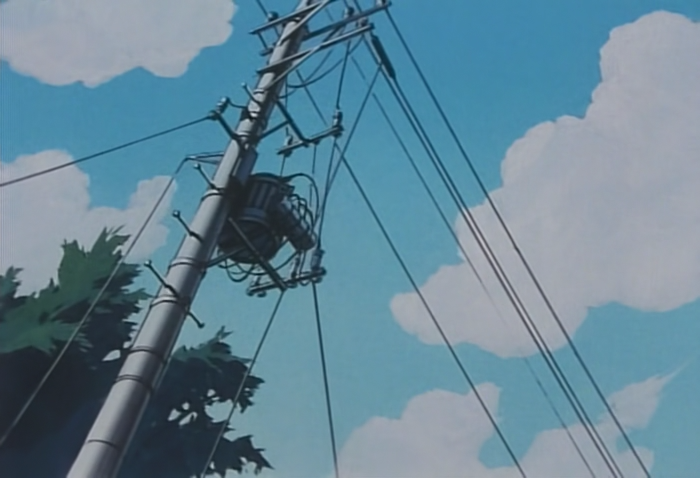
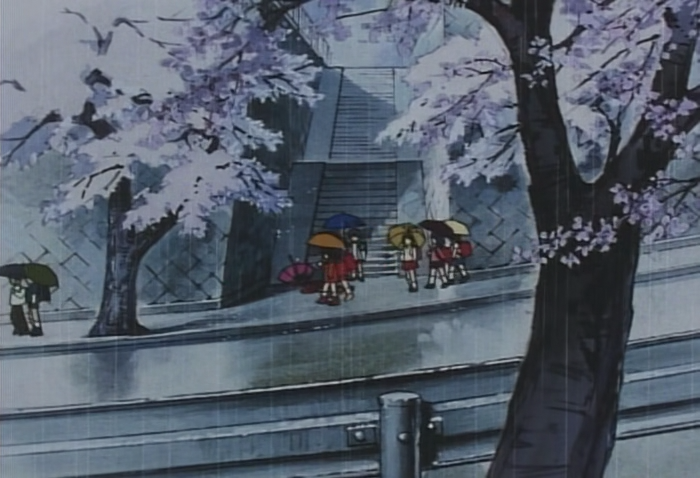
Complementing Akari’s adoring reveries are the dreamlike watercolours of the backgrounds, imbued with a sentimentality reminiscent of photographs and their intrinsic ephemerality. Incorporating postcard memories, a technique oft utilized by the brilliant Dezaki Osamu, further enhances such a reflective quality –chalk pastels capturing these fleeting moments in time.
All too keenly aware of time marching forth, Akari desperately wishes for Hiroyuki to remain by her side – and yet time is so very fickle, marching on with poignant insistence. “Everyday… new pages continue to be added” she muses, accompanied by an apprehensive face bathed in shadows reflecting the microcosmic gravity of the situation. Each day brings with it moments of triumph, accompanied by the stirring melody of warm violins.
However, other heroines within the cast may experience similar victories. And if the opening sequence is anything to go by, there will be many. This potential hanging heavy in the air is what transforms
To Heart into such a quietly powerful piece – it does not merely focus on the protagonist, but rather explores the perspective of one single character who just so happens to be drawn towards him, and why.
And this is just with the first episode!
return