
25/01/2026
4/10
2026
thoughts eventually
21/01/2026
8/10
2022
thoughts eventually

10/1/2026
7/10
2025
thoughts eventually

04/01/2026
7/10
2025
thoughts eventually

01/01/2026
8/10
2025
thoughts eventually

12/30/2025
6/10
2025
thoughts eventually

12/10/2025
9/10
2025
thoughts eventually

05/10/2025
8/10
2025
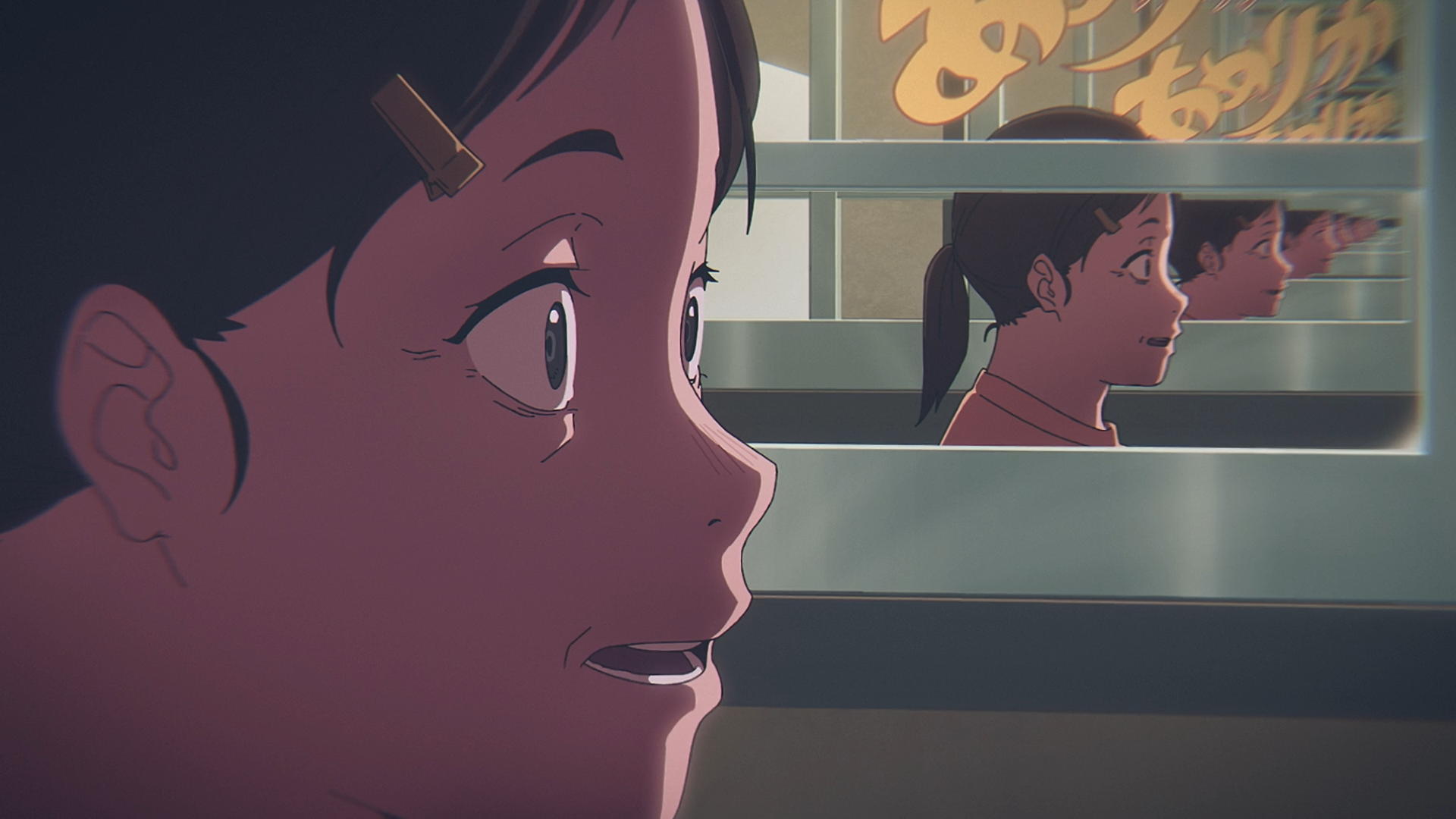
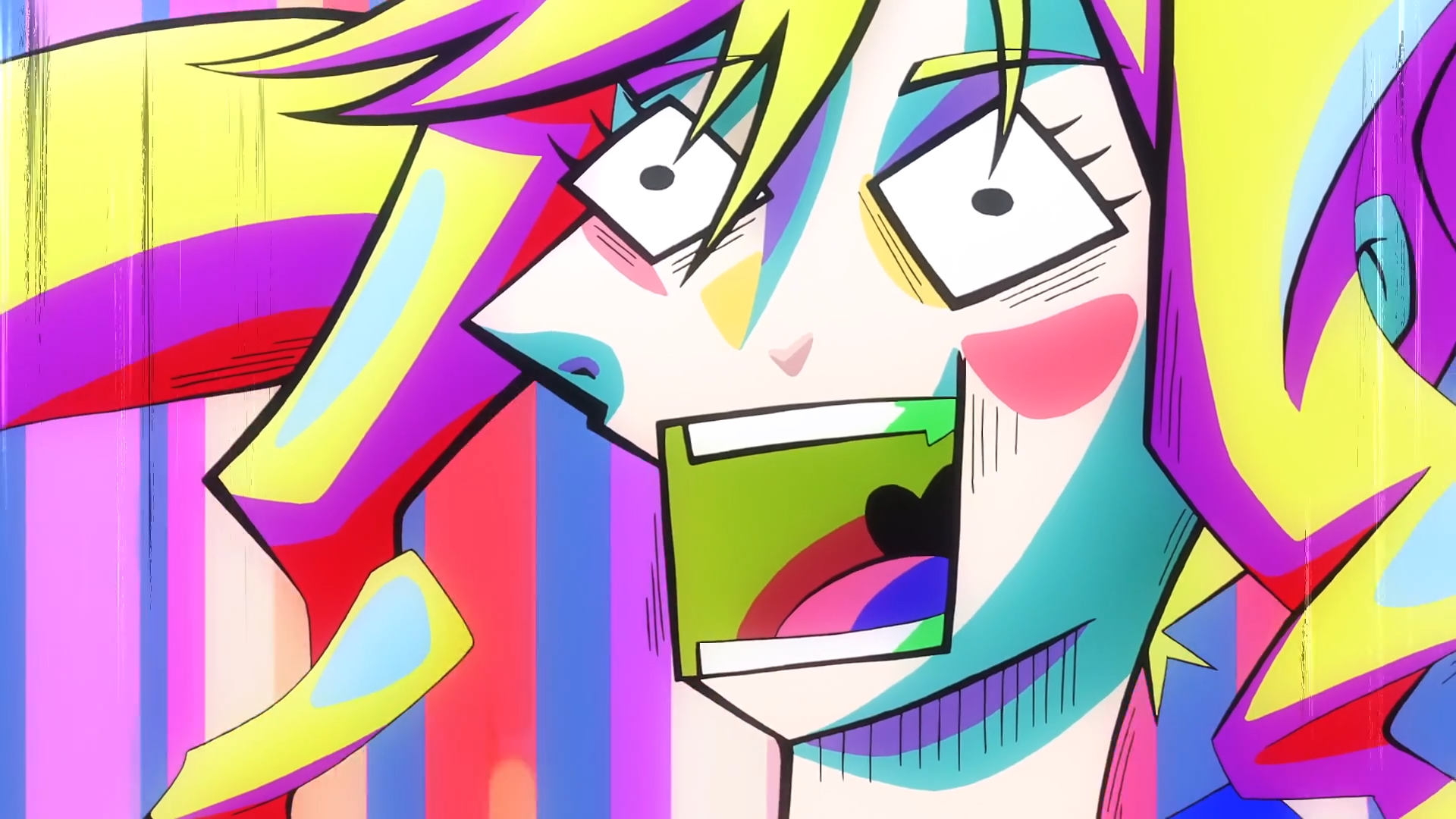
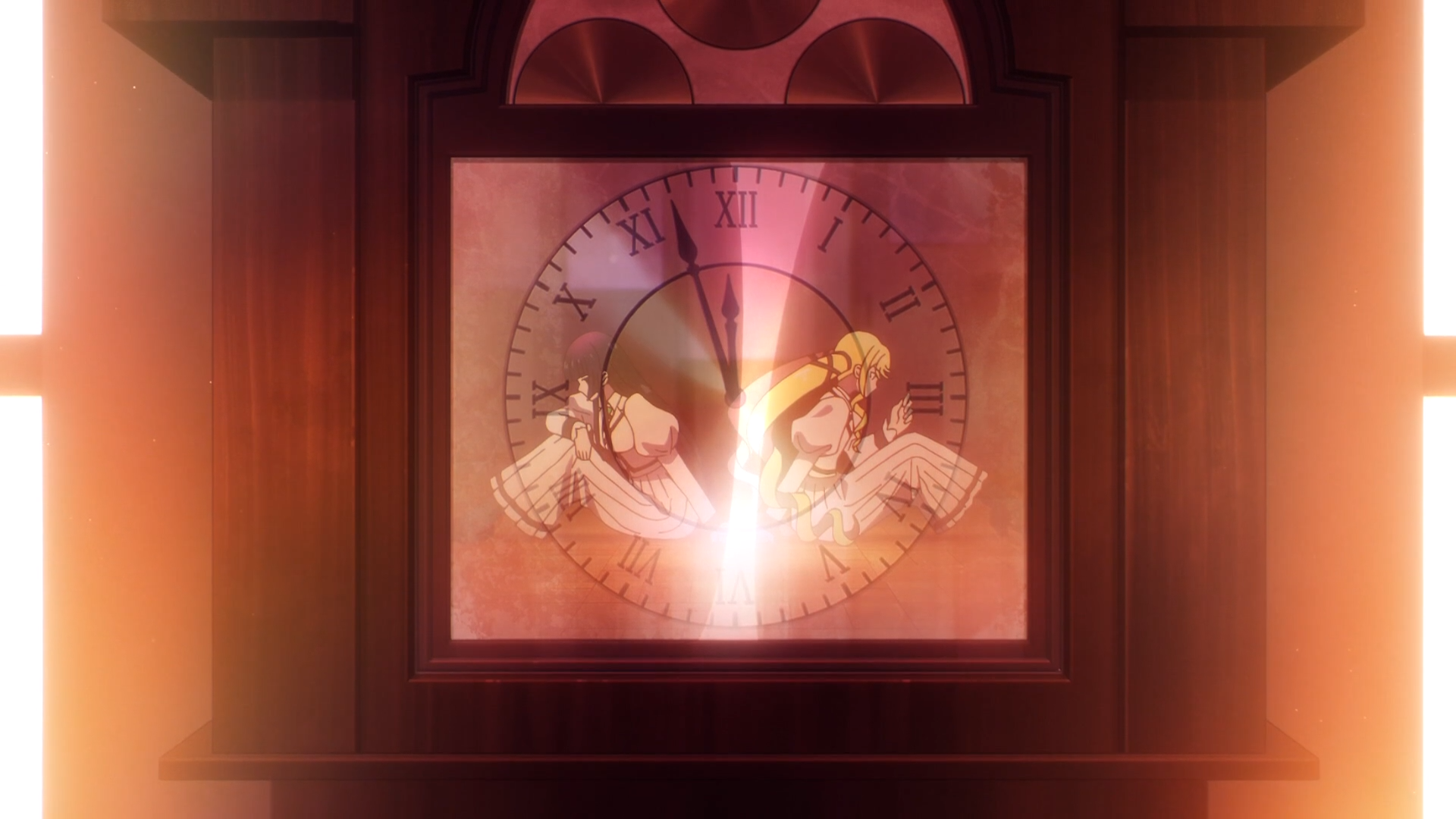
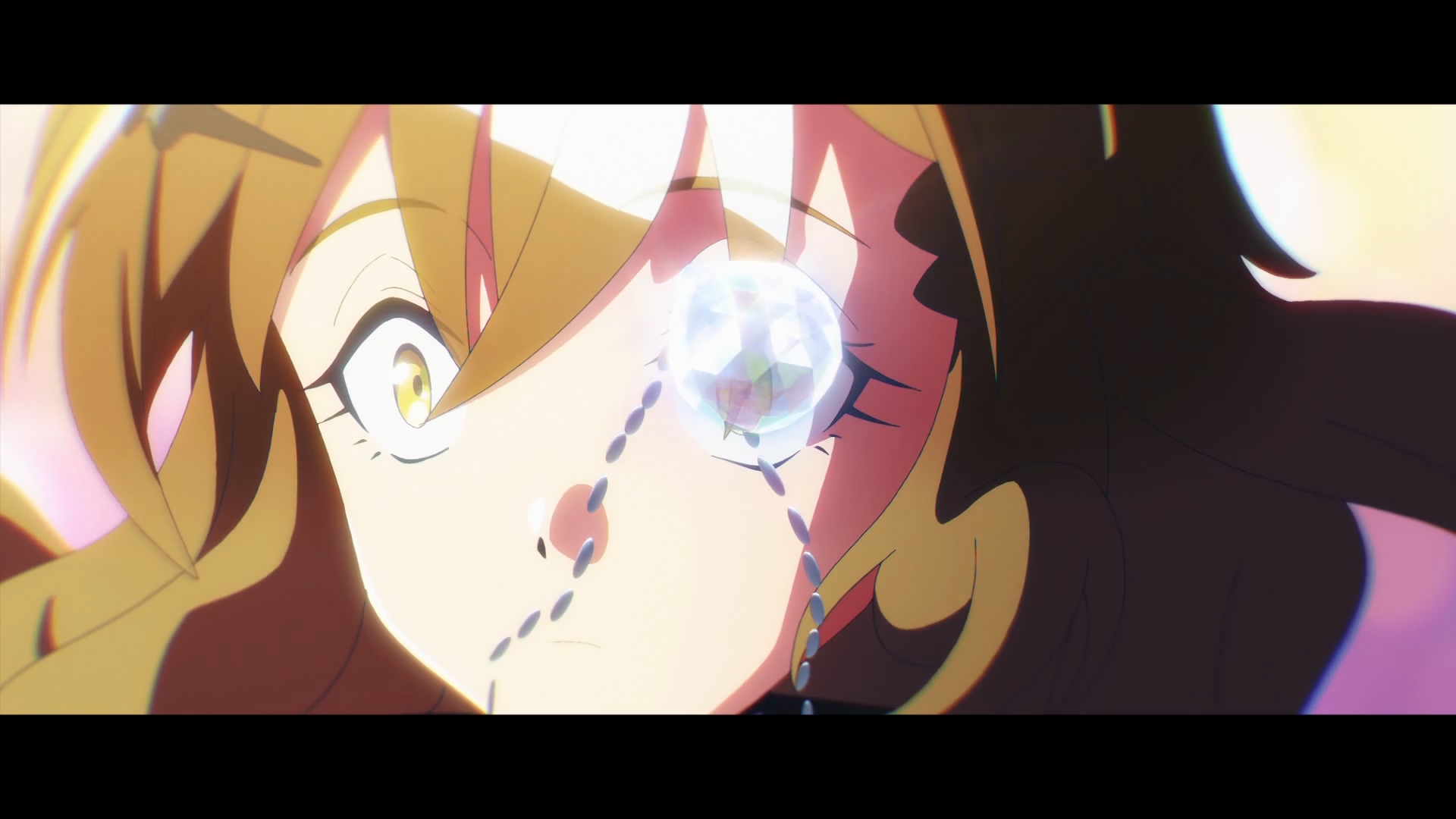
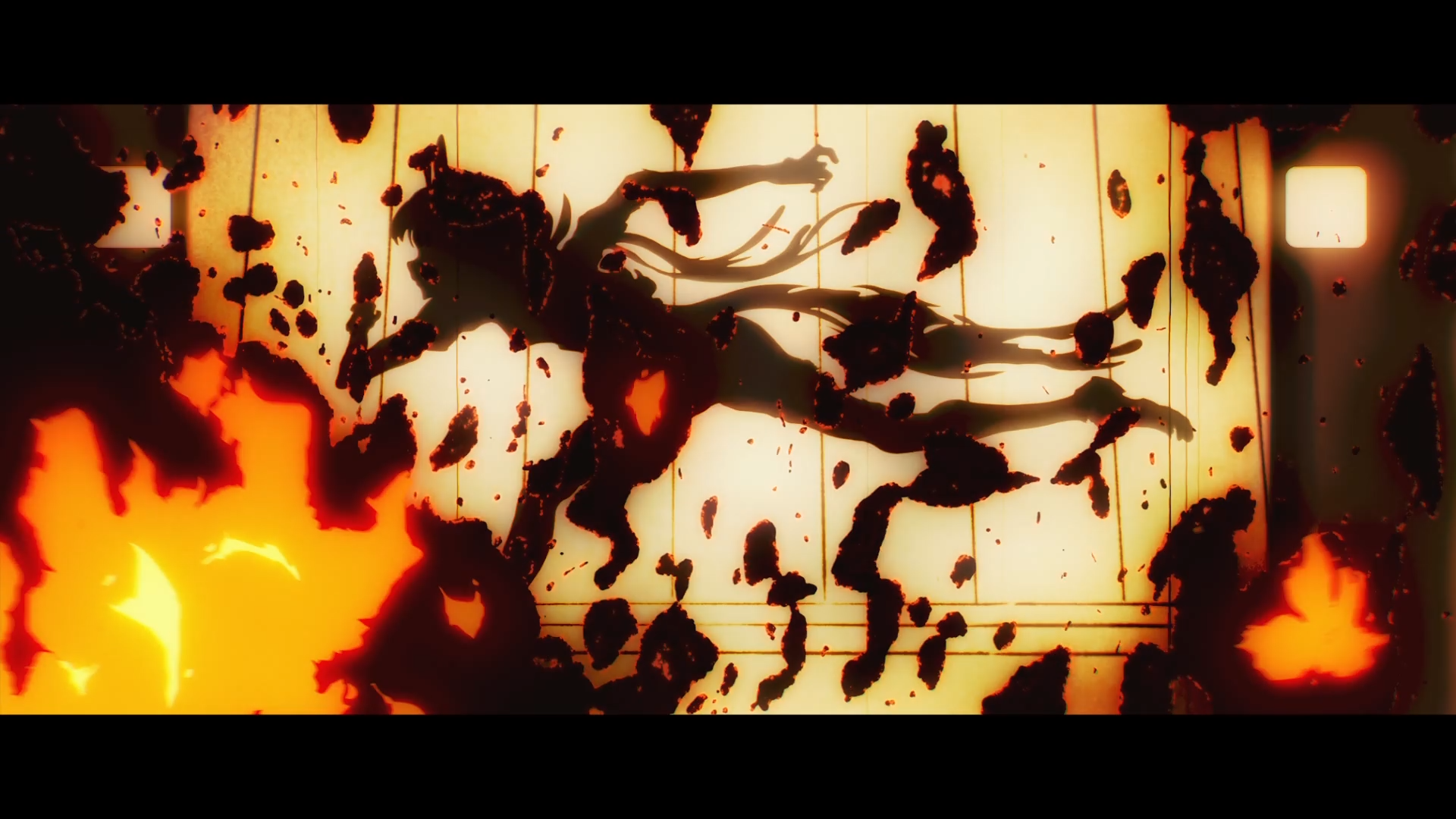
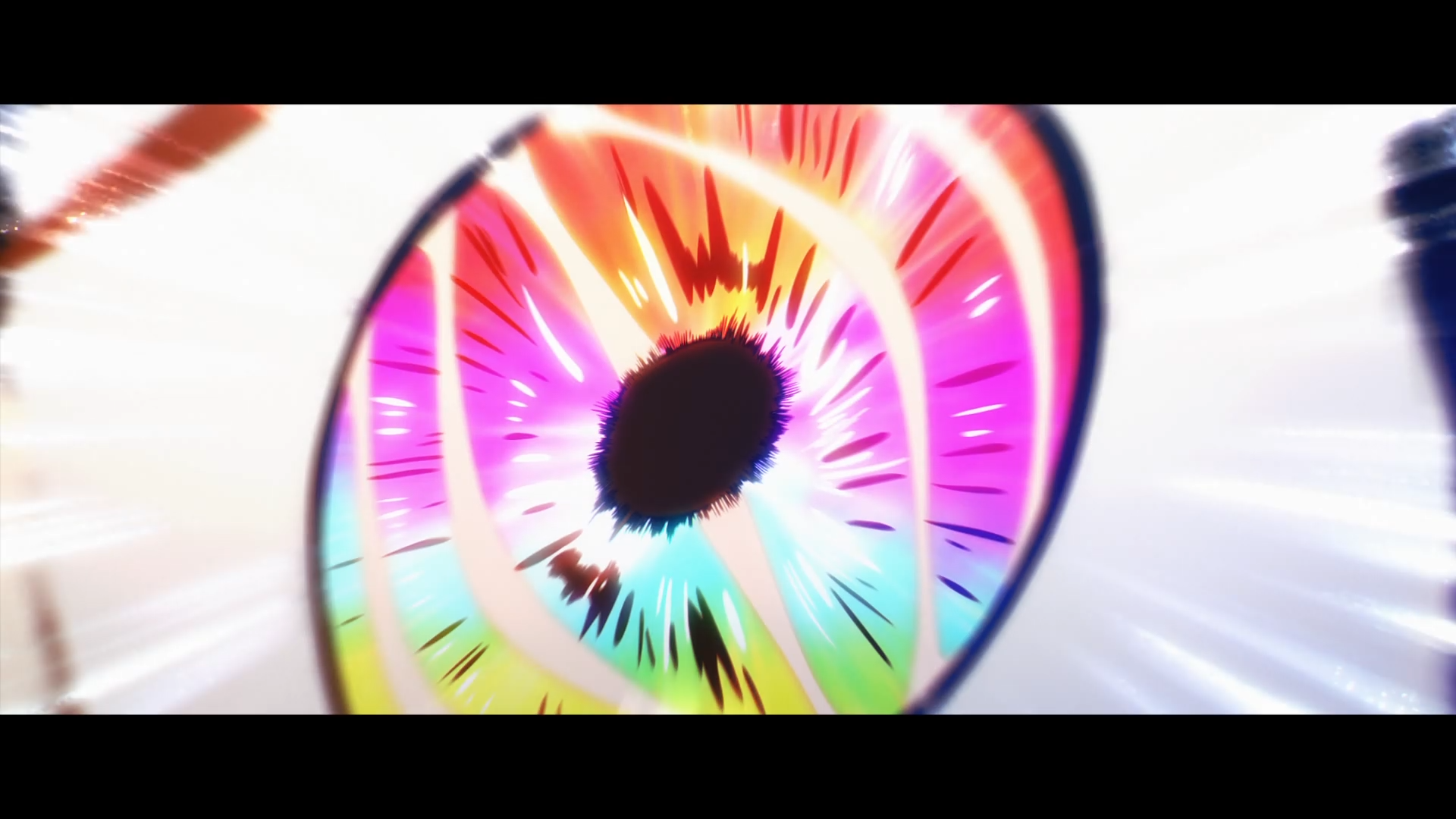
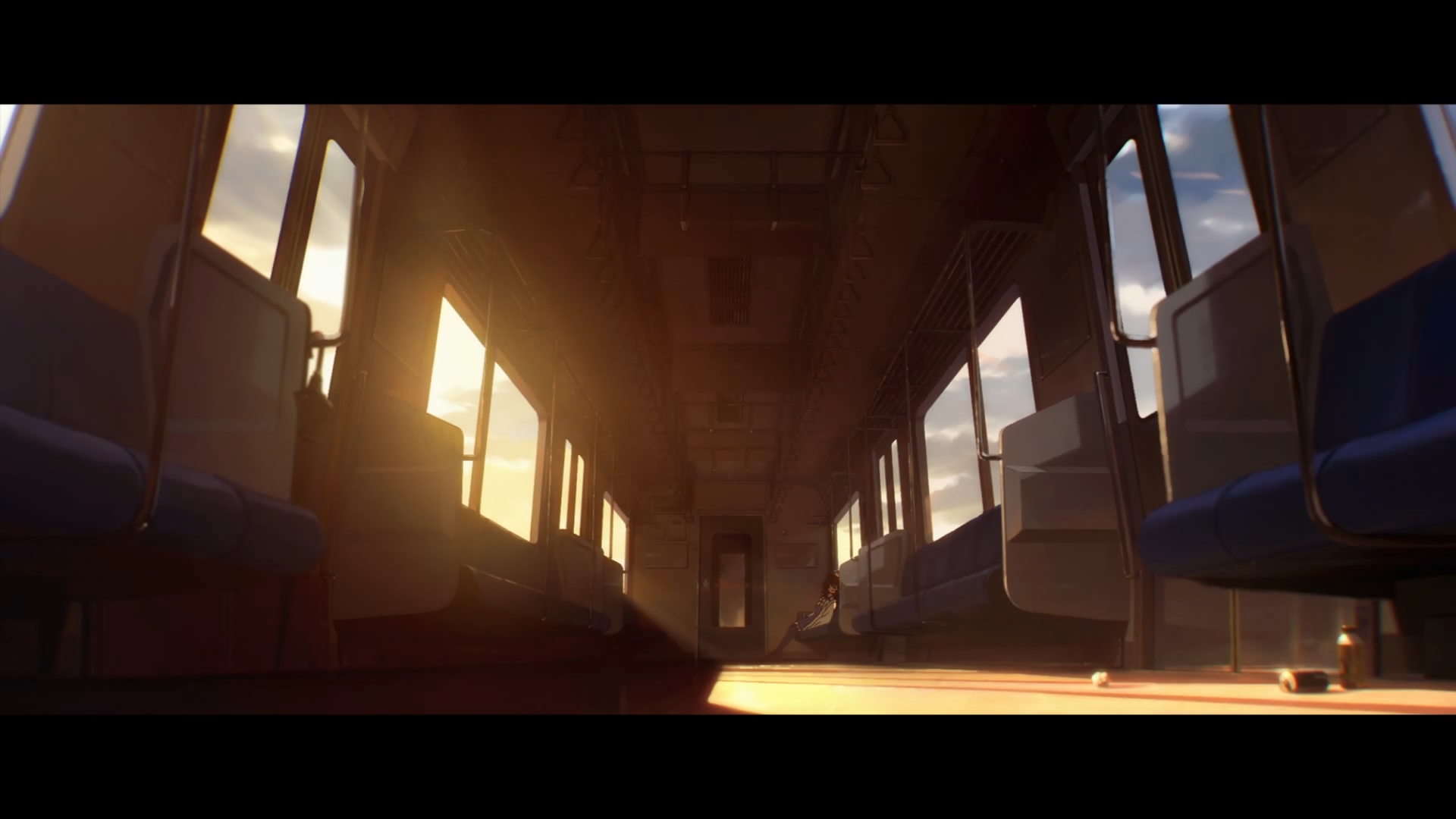
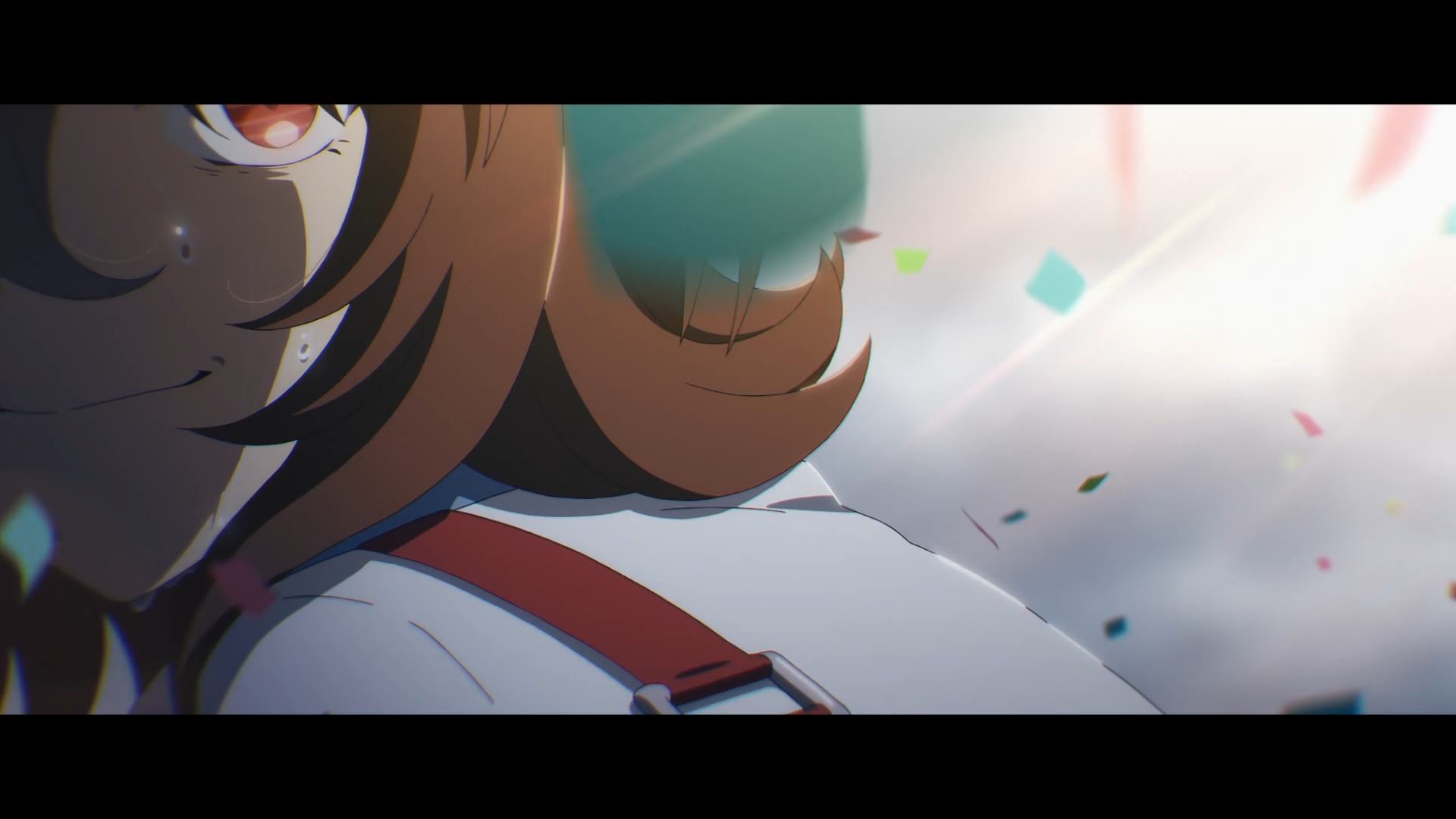
sorry I couldn’t concentrate on the ending of the first episode properly because I was too busy thinking ‘holy shit shinsei kamattechan’


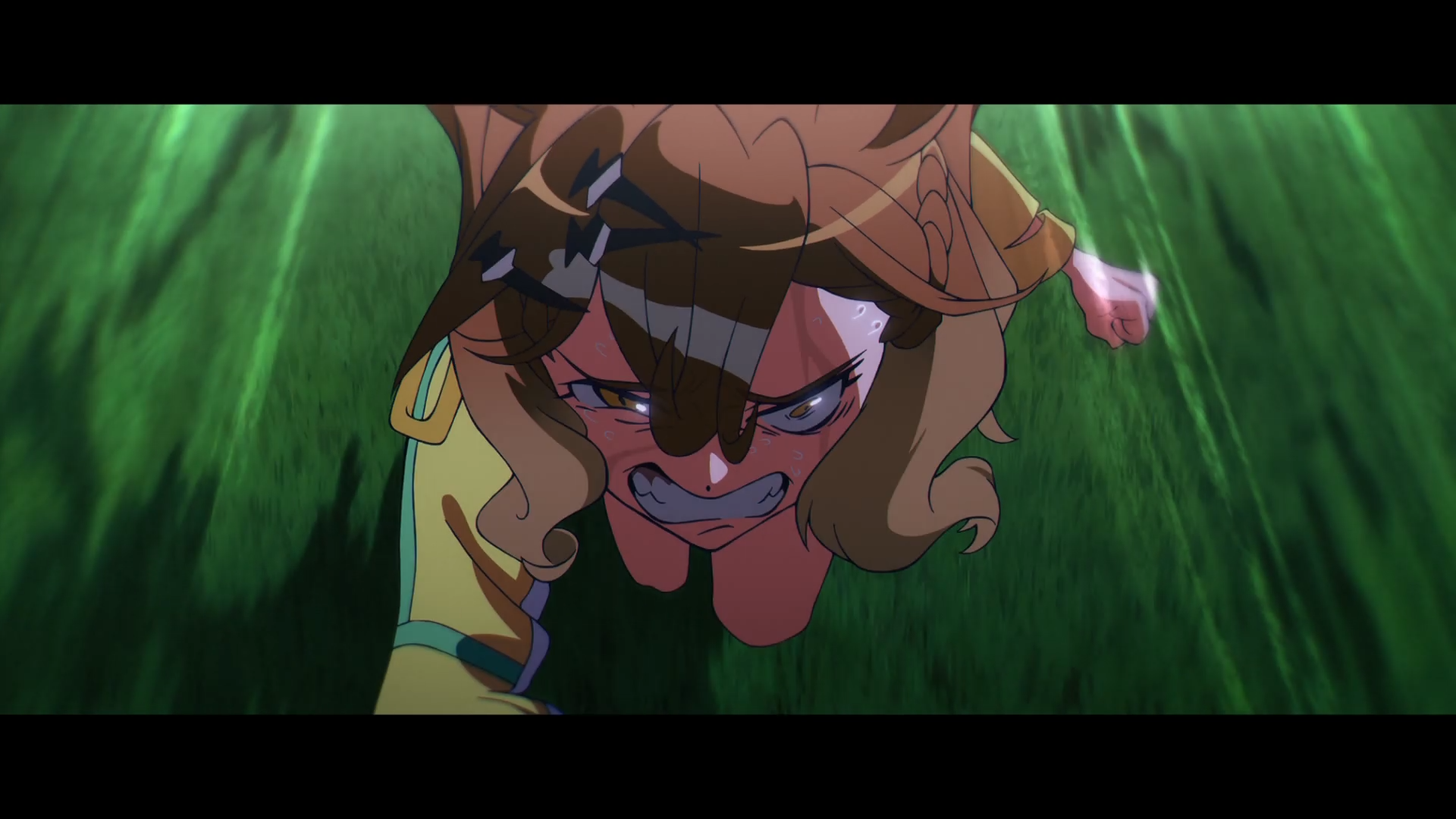
Though my relationship with Trigger remains complex for grimace-inducing, side eye-deserving reasons, the manner in which its frequent collaborators amplify cartoonish zeal with limbs twisting and warping across the expanse of our screens is nothing short of magnetic. Kochikan’s anime-within-an-anime designs courtesy of Ikarashi similarly imbue the bunnies with a distinctly scrappy quality, all scraggly linework, leading to sequences such as Komari’s twintails dynamically swishing across the screen with kinetic bravado, hyper-exaggerated layouts where the body becomes yet another tool to distort. When Gojou breathlessly exclaims what a ride the sequence was, you’re no doubt left with the same expression because damn. What a ride it truly was.


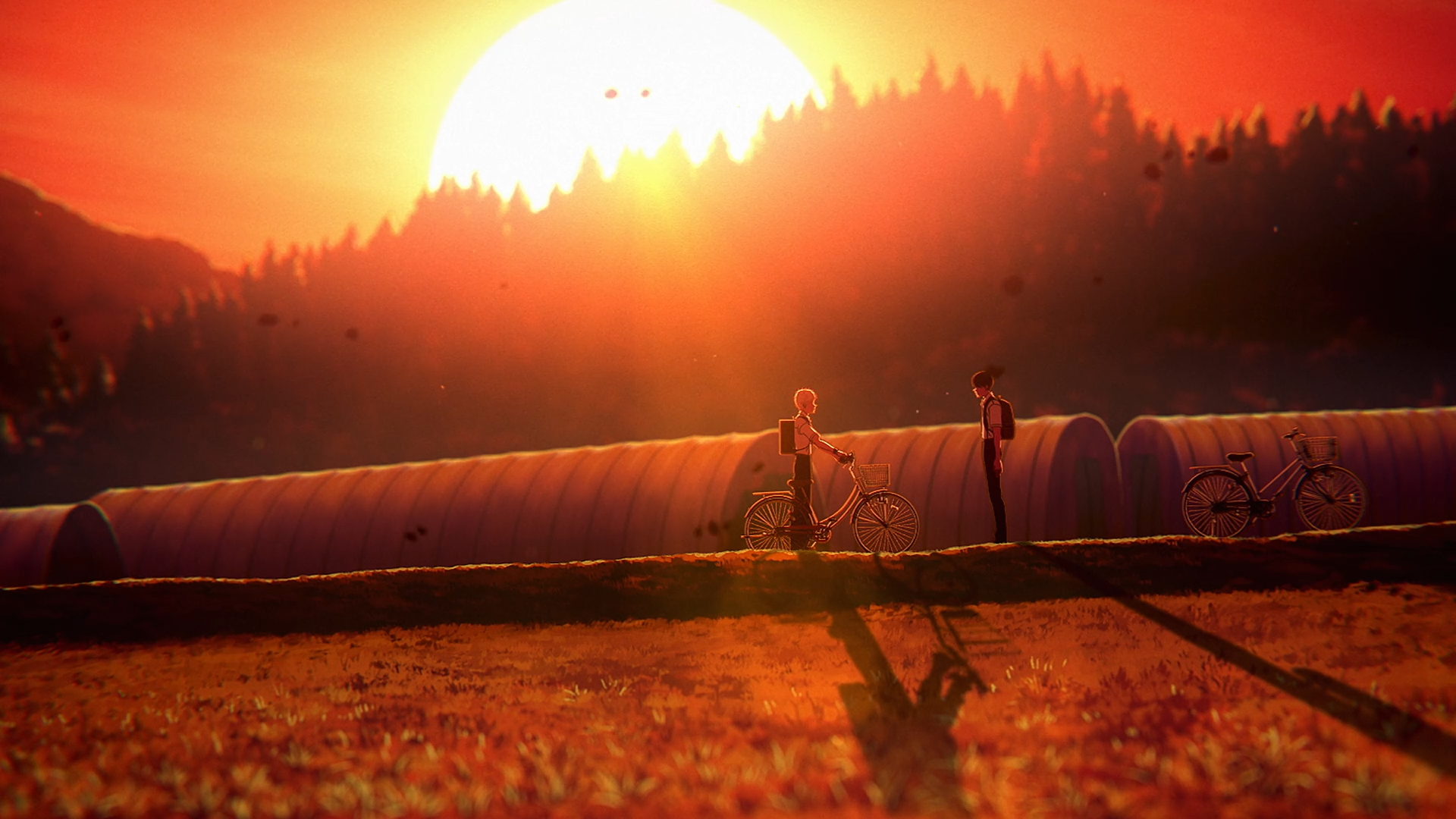
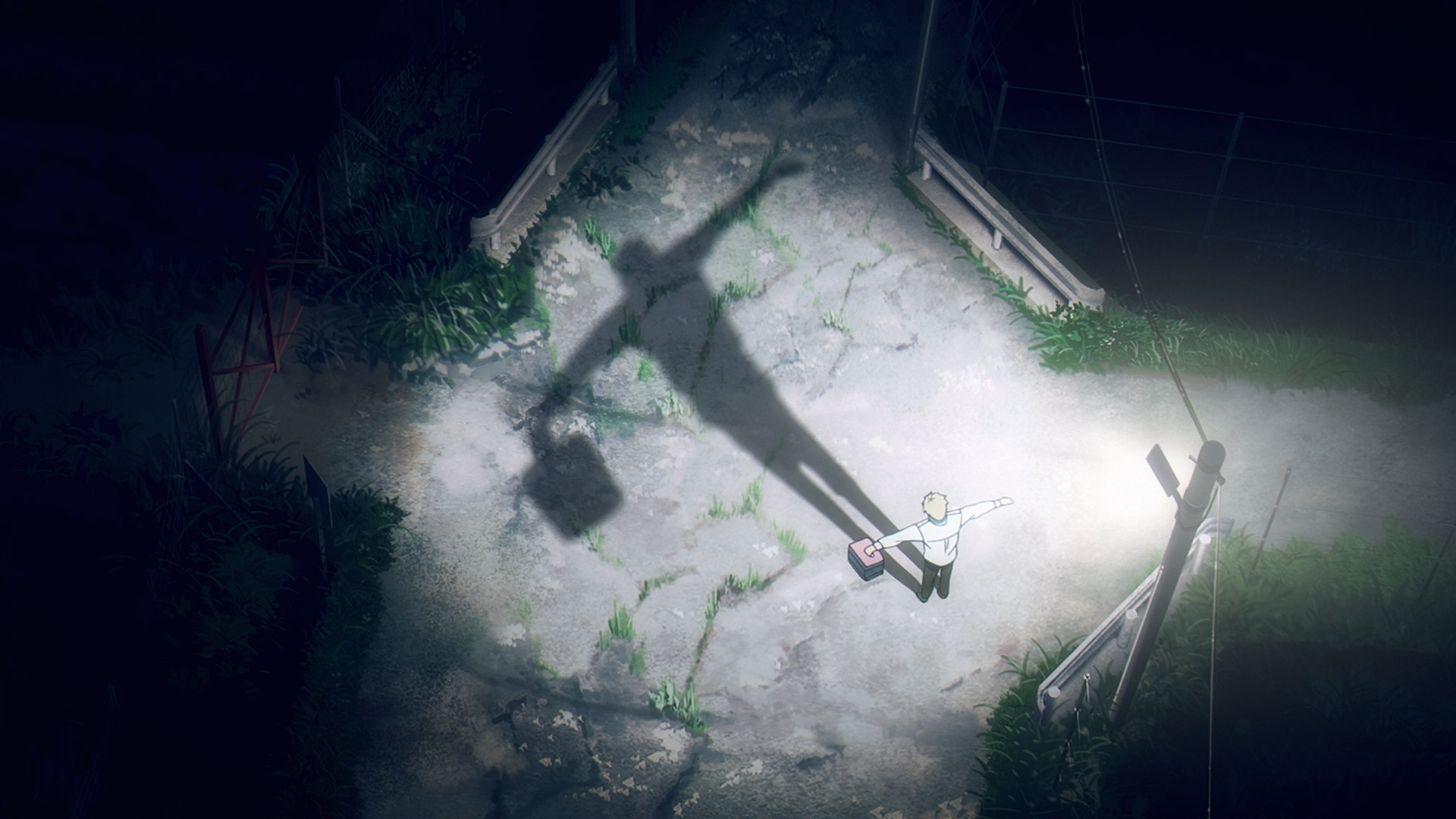
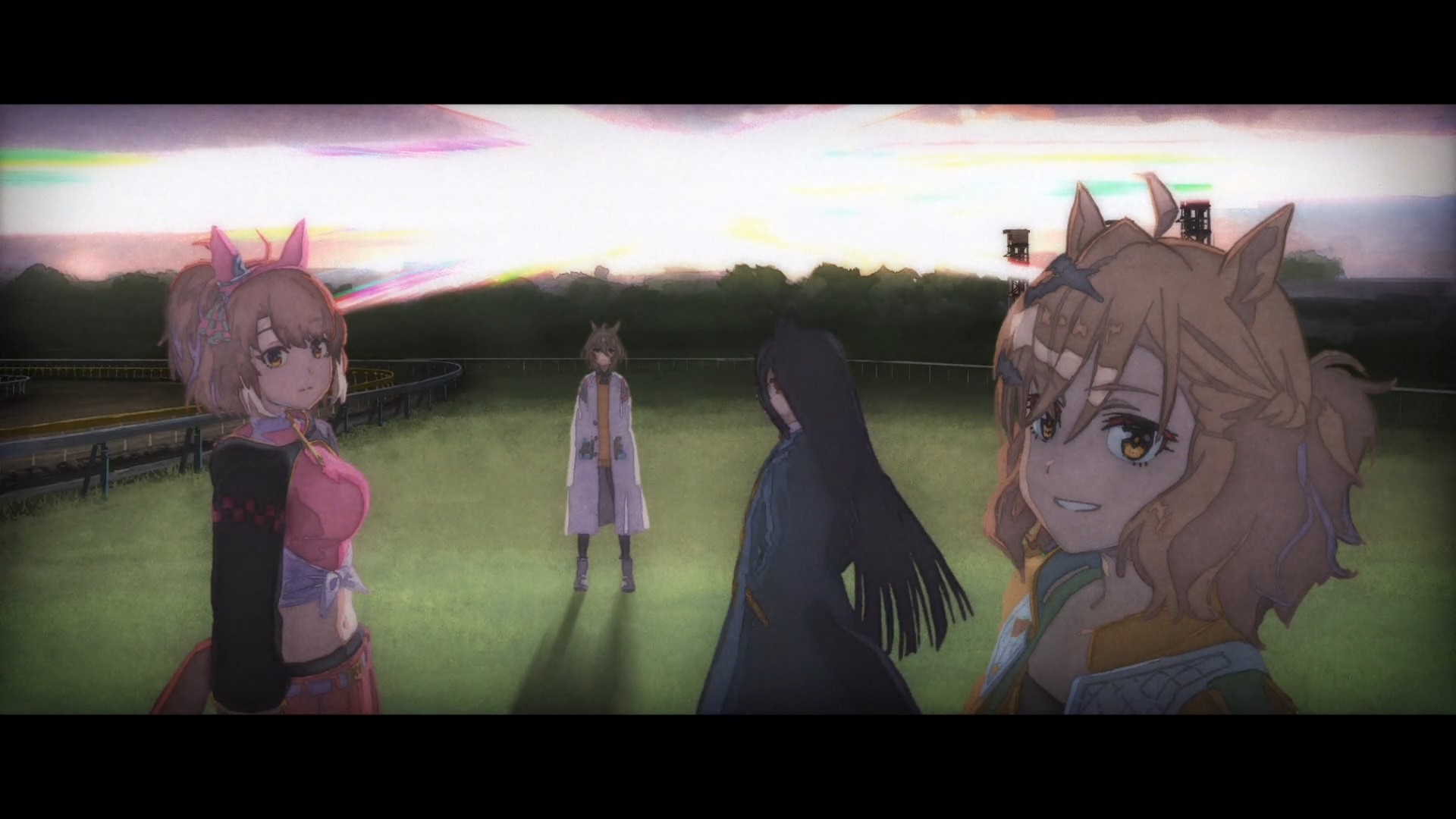
Gorgeous premiere all round with a special shout-out going to Inoue’s Dezaki-esque postcard memory.
more thoughts, eventually

04/10/2025
6/10
2025
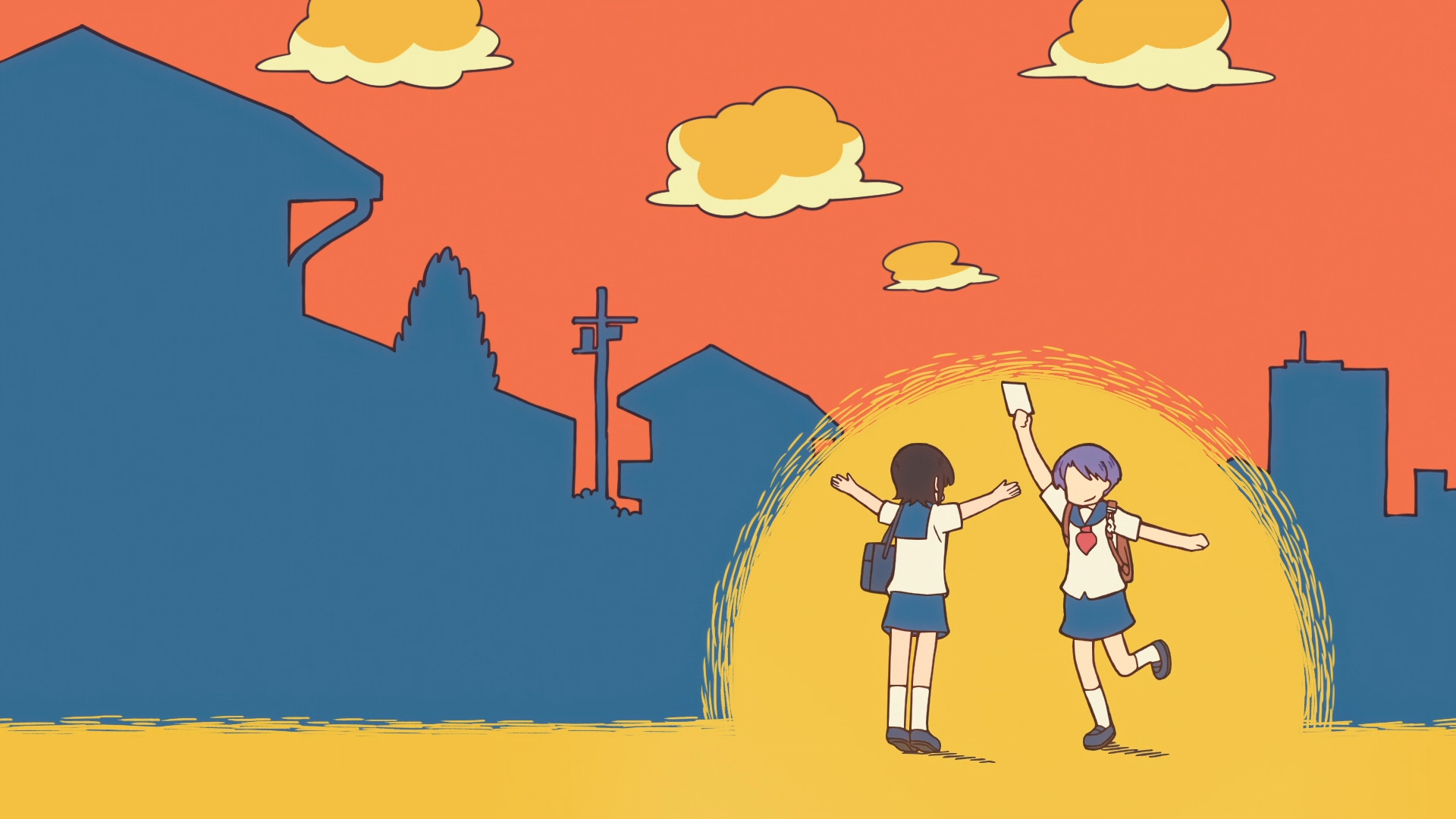
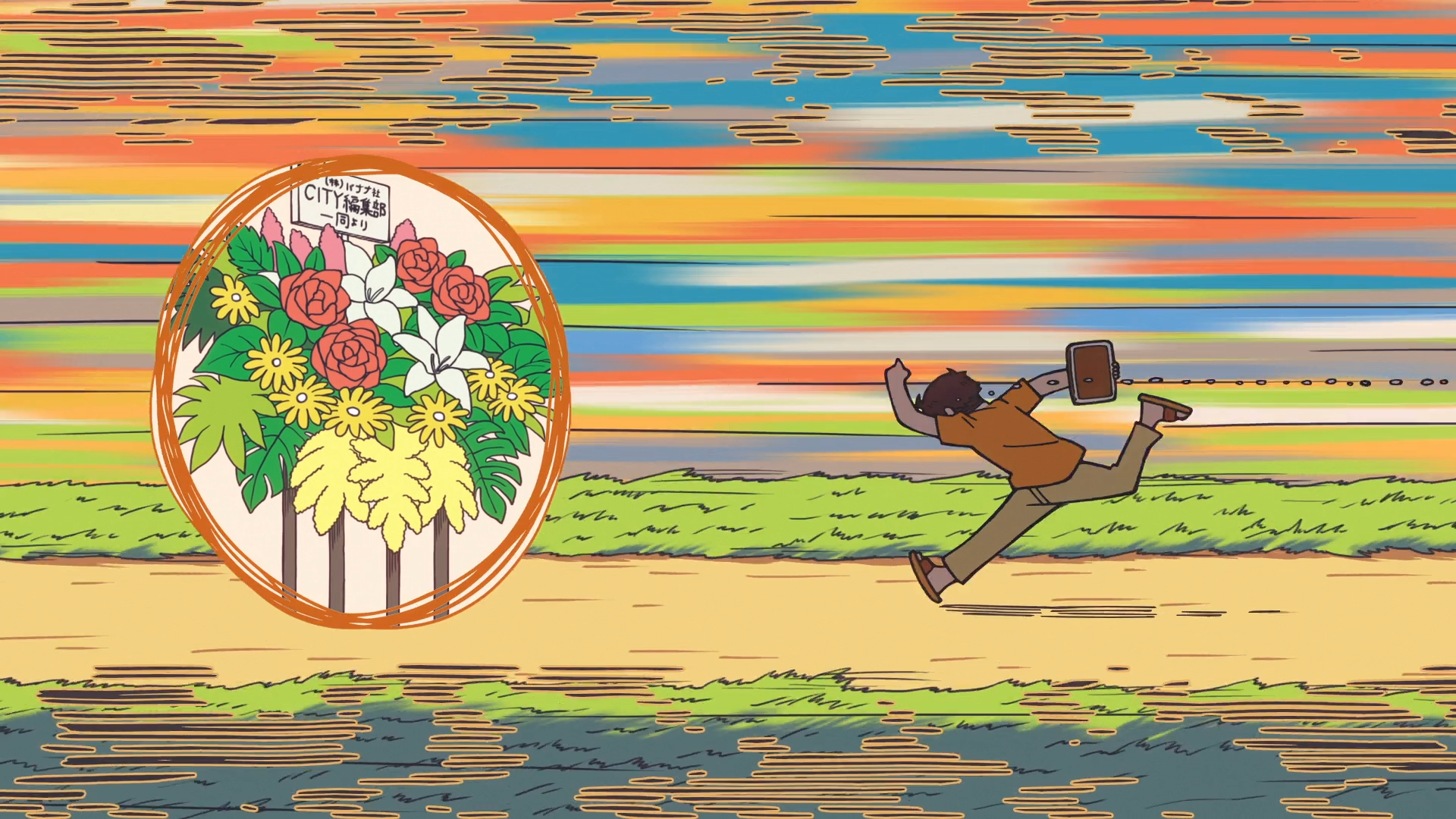
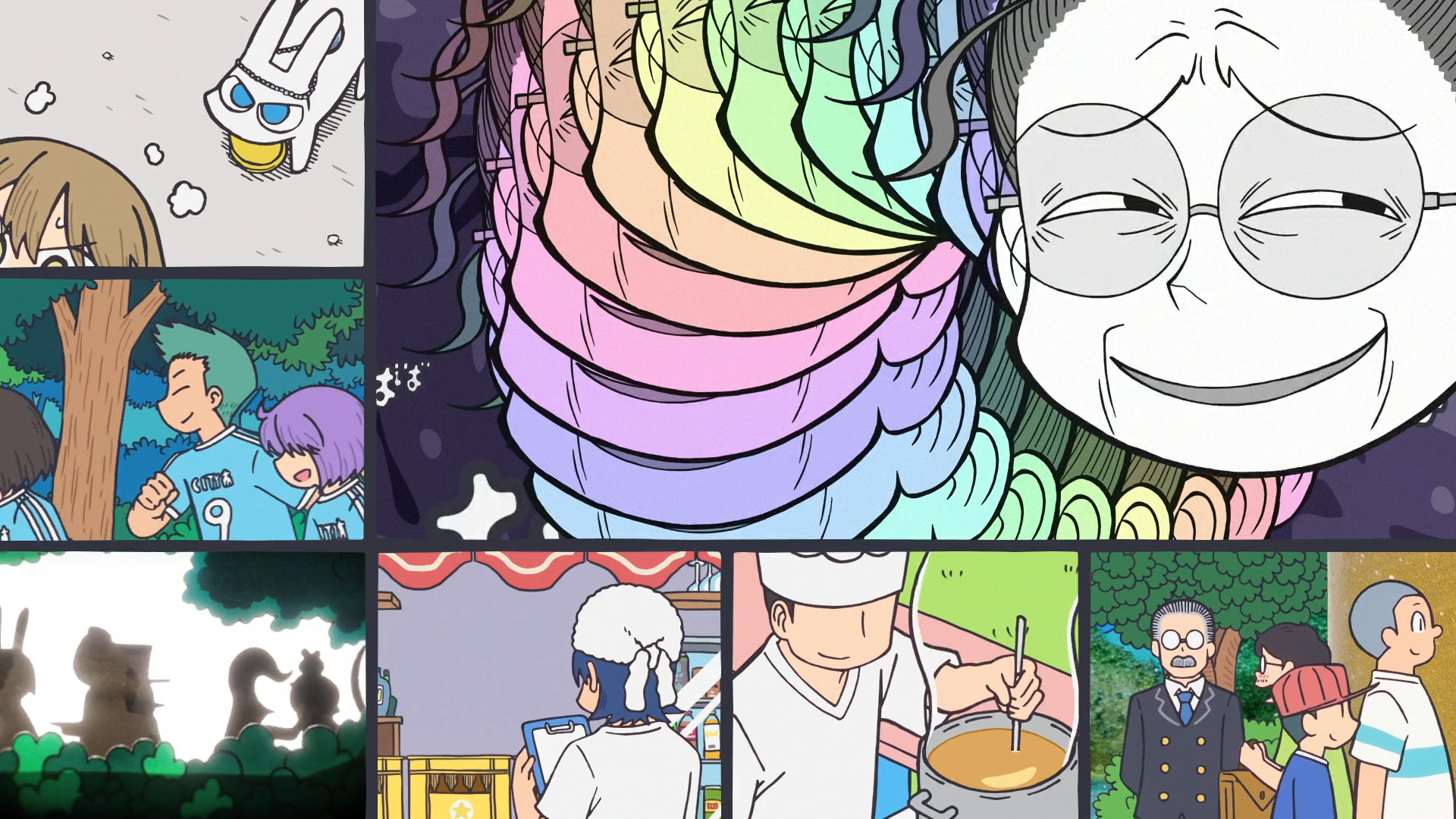
very good yes yes pls read my friend's write-ups on the series in which he highlights what a beautiful, thoughtful production it is
thoughts eventually

07/08/2025
7/10
2025
thoughts eventually

29/06/2025
9/10
2024
thoughts eventually
15/06/2025
6/10
1989
thoughts eventually


20/05/2025
n/a
2001
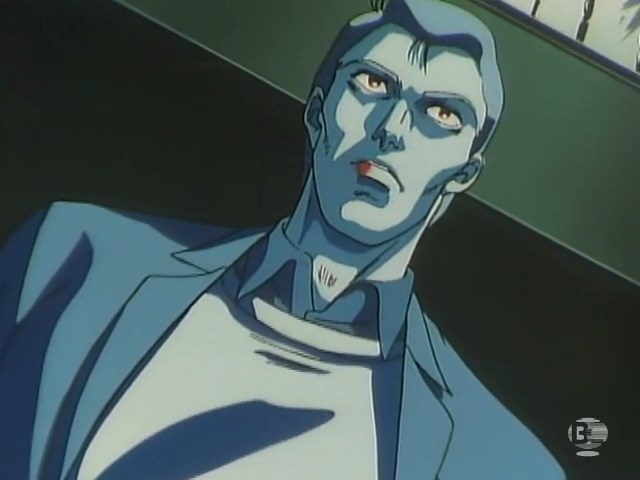
Touted as being one of Leaf’s most well-known and enduring works, Comic Party is contextualized amidst the frenzy that was fan-created works igniting the hearts of otaku, coinciding with Comiket’s explosive growth during the ‘90s; flames blazing on and flags held high. Increased accessibility to doujinshi through specialized stores beyond the sweltering summer heat of hallowed Tokyo Big Sight ground further solidified the act of creating as an integral part of fandom as a culture, dangling the appeal of one simply popping into their location of choice for the latest release as opposed to queueing for hours on end. That alongside the increased availablity of works with cross-gender apppeal resulted in a wave of ostensibly similar properties during the early to mid-aughts with this particular focus (e.g. Genshiken, Welcome to the NHK, and Doujin Work) - which of course, extends to Comic Party.
Given its origins as a slapstick-driven romcom stoked by the flames of otaku righteousness, along with the period in which it was released, I should have known that Comic Party’s anime would result in your weary webmistress all but pressing fingers to her temple, groaning ‘why do I do this to myself’ and dropping after six episodes. This would mainly be due to how unlikeable and dated its core cast members prove to be. Well. One, in particular.


Even within the exaggerated, cranked up to eleven domain of zany otaku-centric comedies dotting the early aughts, Mizuki’s behaviour as a modern tsundere stands as a challenging relic of past times. All sullen and hot-tempered, abusive modes of behaviour are framed as endearing quirks that will melt into sugary sweet treacle oozing in Everylead-kun’s wake. Phone hurled onto beds in a fit of fury, selfishly confronting him at his place of employment in a manner that perhaps in another series would jeopardize his position, disregarding a colleague of his facing harassment by unsavoury ne’er-do-wells in pursuit of egocentric ends – it’s grim, really.
Unsurprisingly, the scene in which we are introduced to Mizuki involves her enacting physical harm against the guy, once again masked in levity which speaks volumes (hehehehe she is so violent but has a soft side hehehehe). With this in mind her role of being on the outside looking in as her friends fall deeper into the creator sphere is uncomfortable to see unfold, with Mizuki being by no means a sympathetic figure due to her judgemental and narrow-minded approach to that which she doesn’t understand. The wiry snarl of barbed quips are softened through longing gazes at Everylead-kun with the suggestion that she’s losing him to something, yet she never makes an active effort to understand what it is the guy is doing. Mizuki simply doesn’t care - and it makes one wonder how can she truly care about him when she won’t even support what brings him joy?

Rounding out our comic party, Eimi’s style of speaking would have me reaching for the ever-trusty ctrl key had I been experiencing the original work. That Other Guy (there’s always
one) and his ostentatious rambles are equally aggravating. Yuu, in all her owlish peering through glasses threatening to engulf her face and Kansai dialect, comes across as quite sweet and earnest in her own right. Regrettably, she has baggage with Eimi. More Yuu = more Eimi down the line, surely.
there’s also something to be said about otaku culture cannibalizing itself, through Comic Party drawing on To Heart extensively but we are not doing that today lmao

18/05/2025
7/10
1998
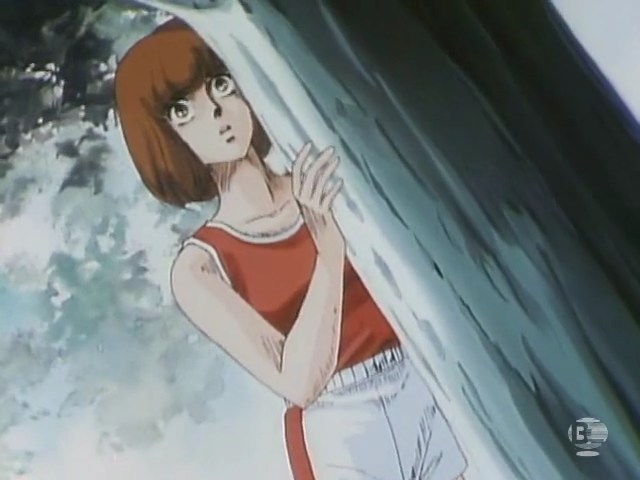
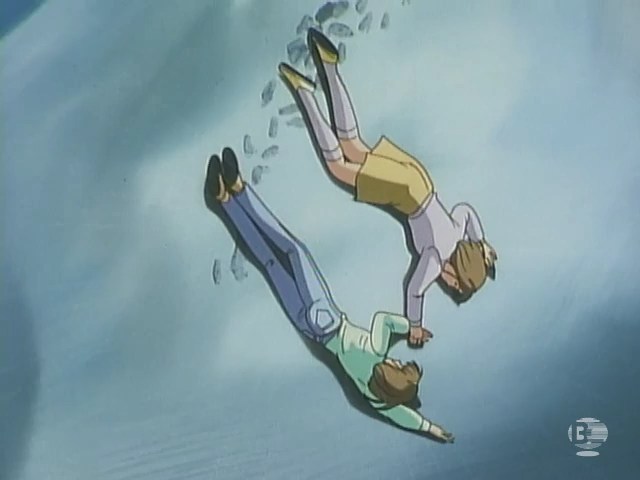
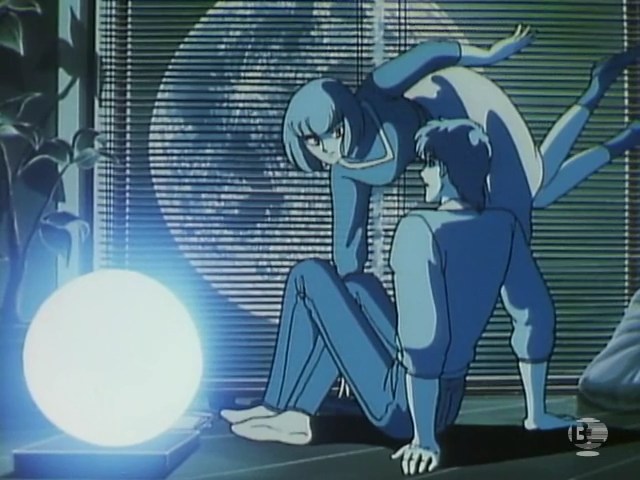
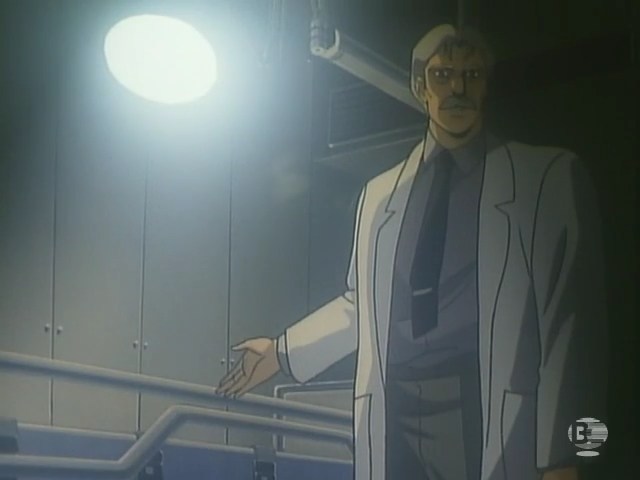
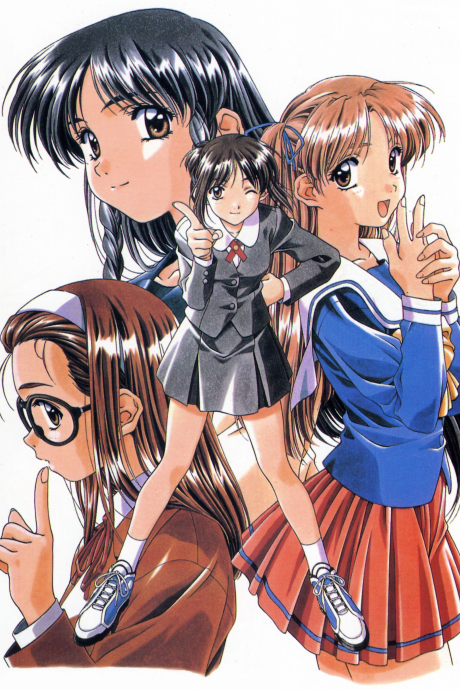
Effortlessly dismantling the wish-fulfilment paradigm of the late ‘90s bishoujouscape through framing that feels remarkably forward-thinking, even in 2025, Sentimental Journey is a worthwhile anthology with an emphasis on moving on. As opposed to each of our would-be heroines trailing after a milquetoast Everylead-kun type, their existence transactional and defined through the affection they can provide, there is a focus on their own bittersweet – and yes, sentimental – journeys towards self-actualization. They are able to flourish magnificently beyond an arid wasteland, the nameless and faceless protagonist not really mattering much in the long run.
Wrote a bit about the first episode here, however Sentimental Journey proves to be a truly transformative offering within the industrial bishoujo complex across multiple episodes beyond that first’s resonant expanse. Of particular note is the sixth, serving as a twenty-something minute Buddhist philosophy dialogue, unfolding between our heroine-of-the-week grappling with the guilt of earthly desires. Facing her is a monk with a gentle koan-driven approach, encouraging her to recontextualize her perspective on love and existence.


Moss-covered totems with dappled sunlight filtering through, a bell-ringing Greek chorus (light! dark!), disintegrated forms, all musings on attachment, emptiness, ego, and the impermanence of things. It is phenomenal, truly, and remarkably ambitious.
The seventh episode provides a sapphic reimagining of the comedy of errors model, leaning into the mistaken identities shtick through our would-be heroine being afraid of lying to the degree where it leads to impersonating her twin brother on a date, adopting his mannerisms and appearance. You know, usual Friday night stuff.


Our heroine’s bushy-browed façade eventually crumbles, however as opposed to triggering discomfort/confusion it deftly sidesteps gay panic through open acceptance and a smooch. The charm of the yuri aquarium™’s inclusion is increased tenfold due to the dramatic irony at play, naturally.
The third emerges as yet another compelling standout, with our erstwhile heroine meeting a twenty-something woman who, having recently exited a relationship, finds herself disillusioned with the notion of love. In a bid to reaffirm its existence, the former proposes they witness a meteor shower together and thus something beautiful, something ephemeral develops.


Though I remained charmed throughout, regrettably I cannot in good faith champion Sentimental Journey as being a narratively consistent anthology which results in a lower rating that I would have initially given it without a second thought. With the eighth episode, crusty industry suits characterising adolescent girls as being morally deficient and excessively materialistic serve as our perspective ciphers, refining the makeshift Doolittle into a marketable ideal. Given that as viewers we’re meant to empathize with their viewpoint, we are in turn encouraged to scorn her ミーハー tendencies (suggestively a term fraught with gendered condescension) and consumerist behaviour; skipping school to cash in on trends and never forget when magazines go on sale.
The sympathetic lens which the other girls are cast through simply is not present, rendering our heroine's portrayal as distant and uncomfortably moralizing. What makes it even worse is one of the executives-as-Higgins falling for her, further warping the My Fair Lady model into something deeply uncomfortable and further perpetuating a system that they scorn. It sticks out like a sore thumb, as does another episode revolving around a girl tumbling into a maelstrom of supernatural action drivel. No thank you!

15/04/2025
6/10
2025
“Wherefore art thou, romantic anime which feature adults?” laments the fledgling anime enthusiast, sifting frantically through the seasonal rubbish heap. With noitaminA, a space once revered for uniquely experimental narratives featuring adult-aged cast members long since having carelessly abandoned its josei roots in pursuit of otaku-kei slop, the landscape has grown increasing arid; dust flying in its wake.
Contemporary adaptations which do feature older characters getting swept up in romantic entanglements tend to be relatively uneven, not particularly memorable and largely serving as promotional vehicles for the source material. Kono Kaisha ni Suki na Hito ga Imasu would be one such shrug-inducing instance.

To sum up Kono Kaisha with a single word, it would be ‘fine’: leading characters Tateishi and Mitsuya are competently handled, storyboarding serviceable (typical talking heads fare), relationship development adequate. As a seasoned veteran of the AO3 trenches I’m hardly opposed to clandestine dalliances carried out away from prying eyes, particularly those laced with the tantalising allure of “we know something you don’t wink wink nudge nudge”. However even this aspect is just ‘fine’, particularly when contextualised amidst office politics. So much potential, gone! When the couple finally decide to come clean about what they share, naturally nothing of consequence occurs and their colleagues take it on board with grins splitting ear to ear. Fine, fine, fine.
Unsurprisingly, Kono Kaisha is at its most salient whenever the veil swathing the relationship is momentarily lifted, facilitating Tateishi and Mitsuya with the emotional space to simply exist as they are. Opening with the pair in the early stages of what they share, throughout the course of the series there are moments where through mutual curiosity and deepening affection a genuine interest in what the other holds dear is taken. And so their individual worlds grow all the more richer as they expand; shimmering with possibility. If the series had leaned more confidently into such moments perhaps it would have been more than a ‘fine’...


03/04/2025
7/10
2025
As with countless long-suffering and battle-worn purveyors, eyeing seasonal charts in which Narou-spawned works siphon the vitality from a once fecund and imaginative subgenre grows tiresome. Helpless you stand witnessing a cycle of self-cannibalization that spins all the more swift, these absurdly overlong titles collapsing in on each other in an ouroboric fashion; an eternal recurrence of warriors at level 99 with smartphones running guild cafés while transforming into spider-cum-slime hybrids.
From Bureaucrat to Villainess: Dad’s Been Reincarnated! appeared to be yet another tally etched into a towering, weather-beaten post, until a friend posted a scene in which its leading character affectionally recalled archetypal ojousama pillars from Ace wo Nerae and Glass Mask that I happened to be most fond of. Ohohoho~

A fifty-something salaryman whisked off to the lustrous halls of a well-to-do academy within an otome game makes for a groan-inducing premise, unease compounded by the appropriation of female-targeted subgenres as yet another context unto which Everylead-kuns shepherd along an adoring, one-dimensional flock of bleating darlings. To my pleasant surprise however, the salaryman in question is by no means a gormless self-insert, with Kenzaburou instead being a somewhat corny, well-meaning father figure admired by all simply because… he’s a genuinely nice guy!
Such an approach immediately elevates Bureaucrat into a work that displays a welcome level of respect for those fortunate enough to encounter Kenzaburou. As a viewer, you similarly find yourself charmed with your affection points rising by the minute and incredulously muttering さすグレ.Also how cute is this ED duet? If you’re smiling, I guarantee Bureaucrat is everything like this and more! His wife turning over the reversible sequin cushion gets me every single time gosh.


05/01/2025
6/10
2008
Whenever one impatiently readies themselves to tuck into an episodic smörgåsbord of delights, drool pooling in anticipation, seldom are the machinations sustaining the feast’s existence considered – to do so would fundamentally disrupt the experience. With the curtain pulled back, returning to the table with the same unbridled enthusiasm proves challenging. Shigofumi regrettably ends up as a rather disappointing example of the above, to the degree where a once-tantalizing spread all but loses its zest; flavours dissipating into a dull stew you have difficulty finishing. A bittersweet premise of spectral postal workers all but emerging from brimstone-infused infernos, enveloped in inky black plumes, to deliver the deceased’s last rites harboured great potential for the spectrum of humanity to be explored.
And certainly, shadows waxing and waning across our collective consciousness are illuminated in all their murkiness with the taciturn Fumika delivering letters no matter the situation: content scrawled across their confines being neither good or bad, she claims. With narratives of Shigofumi’s nature, particularly in light of the grim subject matter it plumbs (e.g. suicide, sexual exploitation, cyberbullying, terminal illness, the media’s vouyeristic relationship to tragedies, etc.) execution is paramount. This rings especially true when the above situations are often afforded a mere twenty-odd minute runtime to adequately explore the deceased, their psychology, and relationship to the individual who ultimately ends up on the receiving end of their parting words - for better or worse.


Its memento mori ethos invites a degree of sentimentality, yet episodes generally tend to fall short of genuine emotional resonance; succumbing to mawkish embellishments in their reducing tragic situations to facile caricatures. A terminally ill man wrestling with his looming mortality, societal alienation, and profound loneliness – contextualized within the framework of a younger relative coming to terms with what exactly death means – involves a contrived arrest and baseless accusations. The police officer assumes the role of a condemnatory societal mouthpiece in his voicing dissent towards those veering off an expected path, moral panic made manifest despite the disapproving whispers of the man’s mother and her gossip-driven peers lingering at the margins and posed to judge. It’s all a bit much, really.
A colleague of Fumika’s mulls over the ephemeral nature of past dalliances which never came to fruition due to her untimely passing, grappling with the notion of a lover having moved on and lived a fulfilling life. The poignancy of the above is regrettably undercut through the cloying revelation that the man had of course remained single his entire life, rendering the wistful premise somewhat hollow in retrospect. The plight of a bullied youth is similarly trivialized by one-dimensional antagonists, tormenting him seemingly without cause or nuance; smirking goons all but drawn with cloven hooves and pointed teeth. A girl coerced into sexual exploitation fares no better, approached with all the grace and gravitas of a boulder careening uncontrollably downhill.


Heart-wrenching narratives have certainly been explored within similar episodic constraints, yet
Shigofumi’s structural framework threatens to collapse under the weight of its tripartite
obligations. Amidst the dust-covered rubble nuance is often sacrificed for clumsy dramatization and
comfortable solutions, with the truth behind Fumika’s existence destabilizing an already precarious
construct. Once the show’s second half fumbles across the expanse of the viewer’s screen, they are
abandoned to the fraught throes of ambivalence with each episode attempting to explore 1) who the
deceased is 2) why they came to pass 3) why their final letter is being delivered to a particular
person + oh my god it keeps going 4) WHO WAS PHONE IS FUMIKA.
As Shigofumi draws to an unsatisfying close, the once decadent display of delights long since having lost its lustre, the only thing really on your mind is ‘gosh I wish Ali Project would make a glorious return and do OP/EDs again’.

Over the past few years my anime consumption habits have slowed to a sticky treacle so expect this page to be updated very infrequently.
Spoilers will typically ensue, so tread carefully. Ratings are not to be taken too seriously.